A Practical Guide to Choosing Essential Expedition Gear
<<<<<<< HEADApril 17, 2026
Key Takeaways:
● Desert environments are among the most unforgiving terrains on Earth, requiring precise preparation.
● Selecting the right survival gear can mean the difference between safety and serious risk.
● Water management, shelter, and navigation tools form the core of any desert expedition kit.
● Smart packing balances weight, durability, and multi-functionality for optimal efficiency.

Estimated Reading Time: 12–15 minutes┃Post by: Elias V. Marrow
The Nature of Desert Extremes
A desert expedition is not merely a journey through a barren landscape—it is an encounter with one of the most extreme ecosystems on the planet. Deserts are defined not just by heat, but by unpredictability. Temperatures can soar above 110°F (43°C) during the day and plummet drastically at night. Humidity is typically low, which accelerates dehydration, while terrain can range from soft sand dunes to rocky plateaus that challenge mobility and endurance. To select essential survival gear effectively, you must first internalize the environmental stressors you will face.
The most critical factor in desert survival is water—or more precisely, the lack of it. The human body loses fluids rapidly through sweat, even when you may not notice it due to low humidity. This makes hydration planning non-negotiable. Survival gear selection begins with ensuring that you can carry, store, and replenish water efficiently. Containers should be durable, insulated when possible, and easy to access. Hydration systems that allow hands-free drinking can significantly improve efficiency during long treks.
Beyond hydration, sun exposure presents another major hazard. The desert sun is relentless, and ultraviolet radiation is intensified due to minimal atmospheric moisture and vegetation cover. Prolonged exposure can lead to severe sunburn, heat exhaustion, or heatstroke. Therefore, protective clothing is not optional—it is foundational. Lightweight, long-sleeved garments made from breathable fabrics provide both sun protection and temperature regulation. A wide-brimmed hat and UV-blocking sunglasses are equally critical components.

Navigation in the desert poses unique challenges as well. Unlike forests or urban environments, deserts often lack distinct landmarks. Sand dunes can shift with the wind, and vast open spaces can disorient even experienced travelers. This makes navigation tools indispensable. Traditional compasses and topographic maps remain reliable, but modern GPS devices add a layer of precision. However, reliance on electronics alone is risky; batteries can fail in extreme temperatures. Redundancy in navigation systems is a key principle in survival gear selection.
Another often underestimated aspect of desert travel is the terrain itself. Sand can be exhausting to walk on, while rocky areas can damage footwear and cause injuries. Proper footwear must provide both protection and comfort over extended distances. Boots should be breathable yet sturdy, with soles designed to handle abrasive surfaces. Gaiters can prevent sand from entering your shoes, reducing irritation and fatigue.
Finally, deserts are not devoid of life. Insects, reptiles, and other wildlife can pose risks if not properly managed. While encounters are relatively rare, preparedness matters. Basic first aid gear must include supplies for treating bites, stings, and minor injuries. Awareness of your surroundings, combined with the right equipment, ensures that these risks remain manageable rather than dangerous.
Understanding these environmental demands is the first step toward making informed decisions about your gear. Without this foundational knowledge, even the most advanced equipment can become ineffective or misused.

Building Your Core Survival Gear Kit
Once you have a clear understanding of the desert environment, the next step is assembling a survival kit that addresses its challenges comprehensively. The key principle here is functionality. Every item you carry should serve a purpose, and ideally, multiple purposes. Weight is a critical constraint in desert travel, so efficiency is paramount.
Water-related gear forms the backbone of your kit. Beyond carrying sufficient water, you should consider purification methods. While deserts are dry, occasional water sources such as oases or seasonal streams may exist. Portable water filters or purification tablets can transform questionable water into a safe resource. Collapsible containers can also be useful for increasing your carrying capacity when needed without adding bulk when empty.
Shelter is another essential category. Contrary to popular belief, shelter in the desert is not just about warmth—it is about protection from the sun and wind. A lightweight tarp or reflective emergency blanket can provide shade during the day and insulation at night. Some modern shelters are designed specifically for desert conditions, offering ventilation while minimizing heat absorption. The goal is to create a microenvironment that reduces exposure to external extremes.
Fire-starting equipment might seem less critical in a hot environment, but it remains an important survival tool. Nights in the desert can be surprisingly cold, and fire provides warmth, light, and a means to signal for help. Additionally, fire can be used for cooking and sterilizing water. Reliable fire-starting tools include waterproof matches, lighters, and ferrocerium rods. Redundancy is again essential—never rely on a single method.

Food selection for a desert expedition should prioritize energy density and shelf stability. Dehydrated meals, energy bars, and nuts are common choices. These foods provide high caloric value without adding excessive weight. However, food should not be overemphasized at the expense of water. The human body can survive longer without food than without hydration, making water the top priority in your packing strategy.
First aid supplies must be tailored to desert-specific risks. In addition to standard items like bandages and antiseptics, your kit should include treatments for heat-related illnesses. Electrolyte supplements can help maintain hydration balance, while cooling towels or compresses can assist in managing heat stress. Blister treatment is also important, as prolonged walking in hot conditions can quickly lead to foot injuries.
Communication devices add another layer of safety. While remote deserts often lack cellular coverage, satellite phones or emergency beacons can provide a lifeline in critical situations. These devices allow you to call for help when all other options are unavailable. While they may add weight and cost, their value in emergencies cannot be overstated.
Lighting equipment is often overlooked but remains essential. A reliable headlamp or flashlight ensures visibility during nighttime navigation or emergencies. LED lights are preferred due to their energy efficiency and durability. Extra batteries or solar chargers can extend the usability of your devices, particularly on longer expeditions.
Multi-tools and repair kits are invaluable for addressing unexpected challenges. A compact multi-tool can handle a wide range of tasks, from cutting and tightening to basic repairs. Duct tape, cordage, and small repair kits can fix damaged gear, extending its lifespan and maintaining functionality in the field.
Ultimately, building your core survival gear kit is about balance. You must weigh necessity against portability, ensuring that you are prepared without being overburdened. Each item should justify its inclusion through utility, reliability, and adaptability.
Strategic Packing and Decision-Making for Efficiency and Safety
Selecting the right gear is only part of the equation; how you pack and prioritize it determines how effectively you can use it. Strategic packing transforms a collection of items into a cohesive survival system. This process requires careful planning, foresight, and an understanding of your specific expedition parameters.
The first consideration is accessibility. Essential items such as water, navigation tools, and sun protection should be easily reachable without unpacking your entire bag. This reduces downtime and ensures that you can respond quickly to changing conditions. Less frequently used items can be stored deeper within your pack, optimizing space and organization.
Weight distribution plays a significant role in comfort and endurance. Heavier items should be positioned close to your back and centered within your pack. This helps maintain balance and reduces strain on your body during long treks. An improperly packed bag can lead to fatigue, increasing the risk of mistakes and injuries.
Another critical aspect is redundancy planning. While carrying duplicates of every item is impractical, certain categories warrant backup options. Navigation tools, fire-starting equipment, and water purification methods are prime examples. Redundancy ensures that a single point of failure does not compromise your entire expedition.
Adaptability is also key. Desert conditions can change rapidly due to weather patterns such as sandstorms or unexpected temperature shifts. Your gear should be versatile enough to handle these variations. For example, clothing layers that can be added or removed easily allow you to adjust to temperature changes without carrying excessive items.
Psychological preparedness should not be overlooked. The desert’s vastness and isolation can be mentally challenging. Familiarity with your gear and confidence in your preparation can significantly reduce stress. Practicing with your equipment before your expedition ensures that you can use it effectively under pressure.
Decision-making in the desert often involves trade-offs. You may need to decide between carrying additional water or extra equipment. These decisions should be guided by risk assessment and experience. In most cases, prioritizing water and safety-related gear is the prudent choice. Luxury items or non-essential tools should be minimized to conserve energy and space.
Environmental responsibility is another factor to consider. Deserts are fragile ecosystems, and your presence should leave minimal impact. Gear that supports sustainable practices, such as reusable containers and waste management solutions, helps preserve the environment for future explorers.
In conclusion, selecting essential survival gear for a desert expedition is a multi-layered process that integrates environmental awareness, practical functionality, and strategic planning. It is not simply about acquiring equipment but about understanding how each piece contributes to your overall safety and efficiency. With the right approach, your gear becomes more than just a collection of items—it becomes a system that supports your survival and enhances your experience in one of the world’s most challenging landscapes.
(This article is intended for informational purposes only and does not replace professional training or certified expedition guidance. Always conduct thorough research and consult experts before undertaking any desert expedition.)
Updated April 23, 2026
FQAs
1. How much water should I carry for a desert expedition?
A general guideline is at least one gallon (3.8 liters) per person per day, but this can increase depending on temperature, activity level, and terrain. Always plan for extra in case of emergencies.
2. Is it safe to rely solely on GPS for navigation in the desert?
No. GPS devices can fail due to battery issues or environmental factors. Always carry a physical map and compass as backup navigation tools.
3. What is the most common mistake beginners make when preparing for desert travel?
Underestimating hydration needs and overpacking non-essential gear are the most common errors. Both can significantly impact safety and mobility.
About Author
Elias V. Marrow is a seasoned expedition strategist and environmental survival specialist with over 15 years of experience navigating arid and extreme landscapes. Having led multiple desert treks across North Africa and the American Southwest, he specializes in gear optimization and risk management for remote travel. His work focuses on helping adventurers prepare intelligently for high-risk environments through practical, experience-based insights.
References
[1] American Red Cross. (2022). Survival preparedness guidelines.
[2] National Park Service. (2023). Desert safety tips.
[3] REI Co-op. (2024). Desert hiking and backpacking essentials.
Stay with us for more expert-driven travel insights designed to make every journey safer, smarter, and more rewarding.
=======April 17, 2026
Key Takeaways:
● Desert environments are among the most unforgiving terrains on Earth, requiring precise preparation.
● Selecting the right survival gear can mean the difference between safety and serious risk.
● Water management, shelter, and navigation tools form the core of any desert expedition kit.
● Smart packing balances weight, durability, and multi-functionality for optimal efficiency.
Estimated Reading Time: 12–15 minutes┃Post by: Elias V. Marrow
The Nature of Desert Extremes
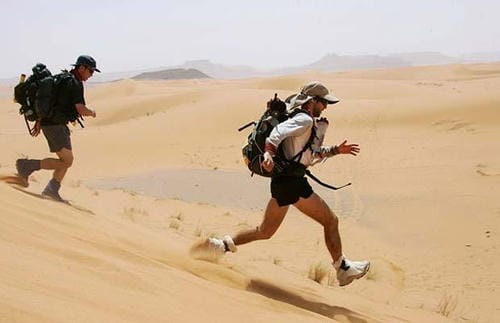
A desert expedition is not merely a journey through a barren landscape—it is an encounter with one of the most extreme ecosystems on the planet. Deserts are defined not just by heat, but by unpredictability. Temperatures can soar above 110°F (43°C) during the day and plummet drastically at night. Humidity is typically low, which accelerates dehydration, while terrain can range from soft sand dunes to rocky plateaus that challenge mobility and endurance. To select essential survival gear effectively, you must first internalize the environmental stressors you will face.
The most critical factor in desert survival is water—or more precisely, the lack of it. The human body loses fluids rapidly through sweat, even when you may not notice it due to low humidity. This makes hydration planning non-negotiable. Survival gear selection begins with ensuring that you can carry, store, and replenish water efficiently. Containers should be durable, insulated when possible, and easy to access. Hydration systems that allow hands-free drinking can significantly improve efficiency during long treks.
Beyond hydration, sun exposure presents another major hazard. The desert sun is relentless, and ultraviolet radiation is intensified due to minimal atmospheric moisture and vegetation cover. Prolonged exposure can lead to severe sunburn, heat exhaustion, or heatstroke. Therefore, protective clothing is not optional—it is foundational. Lightweight, long-sleeved garments made from breathable fabrics provide both sun protection and temperature regulation. A wide-brimmed hat and UV-blocking sunglasses are equally critical components.
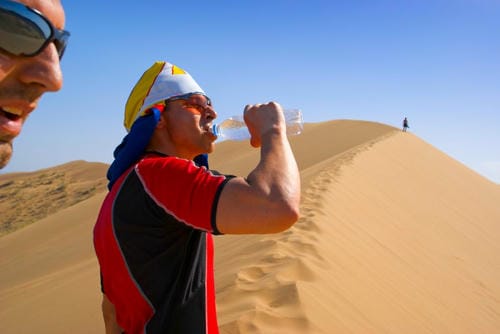
Navigation in the desert poses unique challenges as well. Unlike forests or urban environments, deserts often lack distinct landmarks. Sand dunes can shift with the wind, and vast open spaces can disorient even experienced travelers. This makes navigation tools indispensable. Traditional compasses and topographic maps remain reliable, but modern GPS devices add a layer of precision. However, reliance on electronics alone is risky; batteries can fail in extreme temperatures. Redundancy in navigation systems is a key principle in survival gear selection.
Another often underestimated aspect of desert travel is the terrain itself. Sand can be exhausting to walk on, while rocky areas can damage footwear and cause injuries. Proper footwear must provide both protection and comfort over extended distances. Boots should be breathable yet sturdy, with soles designed to handle abrasive surfaces. Gaiters can prevent sand from entering your shoes, reducing irritation and fatigue.
Finally, deserts are not devoid of life. Insects, reptiles, and other wildlife can pose risks if not properly managed. While encounters are relatively rare, preparedness matters. Basic first aid gear must include supplies for treating bites, stings, and minor injuries. Awareness of your surroundings, combined with the right equipment, ensures that these risks remain manageable rather than dangerous.
Understanding these environmental demands is the first step toward making informed decisions about your gear. Without this foundational knowledge, even the most advanced equipment can become ineffective or misused.
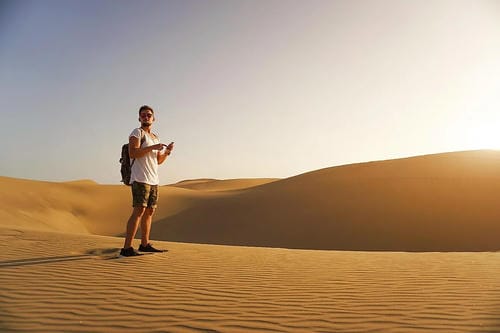
Building Your Core Survival Gear Kit
Once you have a clear understanding of the desert environment, the next step is assembling a survival kit that addresses its challenges comprehensively. The key principle here is functionality. Every item you carry should serve a purpose, and ideally, multiple purposes. Weight is a critical constraint in desert travel, so efficiency is paramount.
Water-related gear forms the backbone of your kit. Beyond carrying sufficient water, you should consider purification methods. While deserts are dry, occasional water sources such as oases or seasonal streams may exist. Portable water filters or purification tablets can transform questionable water into a safe resource. Collapsible containers can also be useful for increasing your carrying capacity when needed without adding bulk when empty.
Shelter is another essential category. Contrary to popular belief, shelter in the desert is not just about warmth—it is about protection from the sun and wind. A lightweight tarp or reflective emergency blanket can provide shade during the day and insulation at night. Some modern shelters are designed specifically for desert conditions, offering ventilation while minimizing heat absorption. The goal is to create a microenvironment that reduces exposure to external extremes.
Fire-starting equipment might seem less critical in a hot environment, but it remains an important survival tool. Nights in the desert can be surprisingly cold, and fire provides warmth, light, and a means to signal for help. Additionally, fire can be used for cooking and sterilizing water. Reliable fire-starting tools include waterproof matches, lighters, and ferrocerium rods. Redundancy is again essential—never rely on a single method.
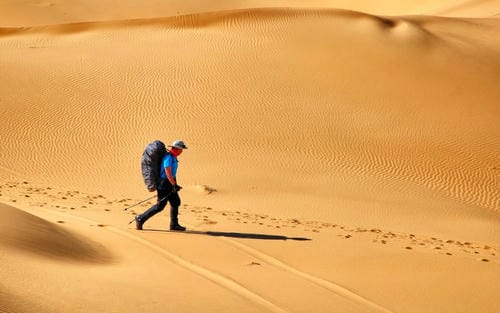
Food selection for a desert expedition should prioritize energy density and shelf stability. Dehydrated meals, energy bars, and nuts are common choices. These foods provide high caloric value without adding excessive weight. However, food should not be overemphasized at the expense of water. The human body can survive longer without food than without hydration, making water the top priority in your packing strategy.
First aid supplies must be tailored to desert-specific risks. In addition to standard items like bandages and antiseptics, your kit should include treatments for heat-related illnesses. Electrolyte supplements can help maintain hydration balance, while cooling towels or compresses can assist in managing heat stress. Blister treatment is also important, as prolonged walking in hot conditions can quickly lead to foot injuries.
Communication devices add another layer of safety. While remote deserts often lack cellular coverage, satellite phones or emergency beacons can provide a lifeline in critical situations. These devices allow you to call for help when all other options are unavailable. While they may add weight and cost, their value in emergencies cannot be overstated.
Lighting equipment is often overlooked but remains essential. A reliable headlamp or flashlight ensures visibility during nighttime navigation or emergencies. LED lights are preferred due to their energy efficiency and durability. Extra batteries or solar chargers can extend the usability of your devices, particularly on longer expeditions.
Multi-tools and repair kits are invaluable for addressing unexpected challenges. A compact multi-tool can handle a wide range of tasks, from cutting and tightening to basic repairs. Duct tape, cordage, and small repair kits can fix damaged gear, extending its lifespan and maintaining functionality in the field.
Ultimately, building your core survival gear kit is about balance. You must weigh necessity against portability, ensuring that you are prepared without being overburdened. Each item should justify its inclusion through utility, reliability, and adaptability.
Strategic Packing and Decision-Making for Efficiency and Safety
Selecting the right gear is only part of the equation; how you pack and prioritize it determines how effectively you can use it. Strategic packing transforms a collection of items into a cohesive survival system. This process requires careful planning, foresight, and an understanding of your specific expedition parameters.
The first consideration is accessibility. Essential items such as water, navigation tools, and sun protection should be easily reachable without unpacking your entire bag. This reduces downtime and ensures that you can respond quickly to changing conditions. Less frequently used items can be stored deeper within your pack, optimizing space and organization.
Weight distribution plays a significant role in comfort and endurance. Heavier items should be positioned close to your back and centered within your pack. This helps maintain balance and reduces strain on your body during long treks. An improperly packed bag can lead to fatigue, increasing the risk of mistakes and injuries.
Another critical aspect is redundancy planning. While carrying duplicates of every item is impractical, certain categories warrant backup options. Navigation tools, fire-starting equipment, and water purification methods are prime examples. Redundancy ensures that a single point of failure does not compromise your entire expedition.
Adaptability is also key. Desert conditions can change rapidly due to weather patterns such as sandstorms or unexpected temperature shifts. Your gear should be versatile enough to handle these variations. For example, clothing layers that can be added or removed easily allow you to adjust to temperature changes without carrying excessive items.
Psychological preparedness should not be overlooked. The desert’s vastness and isolation can be mentally challenging. Familiarity with your gear and confidence in your preparation can significantly reduce stress. Practicing with your equipment before your expedition ensures that you can use it effectively under pressure.
Decision-making in the desert often involves trade-offs. You may need to decide between carrying additional water or extra equipment. These decisions should be guided by risk assessment and experience. In most cases, prioritizing water and safety-related gear is the prudent choice. Luxury items or non-essential tools should be minimized to conserve energy and space.
Environmental responsibility is another factor to consider. Deserts are fragile ecosystems, and your presence should leave minimal impact. Gear that supports sustainable practices, such as reusable containers and waste management solutions, helps preserve the environment for future explorers.
In conclusion, selecting essential survival gear for a desert expedition is a multi-layered process that integrates environmental awareness, practical functionality, and strategic planning. It is not simply about acquiring equipment but about understanding how each piece contributes to your overall safety and efficiency. With the right approach, your gear becomes more than just a collection of items—it becomes a system that supports your survival and enhances your experience in one of the world’s most challenging landscapes.
(This article is intended for informational purposes only and does not replace professional training or certified expedition guidance. Always conduct thorough research and consult experts before undertaking any desert expedition.)
Updated April 23, 2026
FQAs
1. How much water should I carry for a desert expedition?
A general guideline is at least one gallon (3.8 liters) per person per day, but this can increase depending on temperature, activity level, and terrain. Always plan for extra in case of emergencies.
2. Is it safe to rely solely on GPS for navigation in the desert?
No. GPS devices can fail due to battery issues or environmental factors. Always carry a physical map and compass as backup navigation tools.
3. What is the most common mistake beginners make when preparing for desert travel?
Underestimating hydration needs and overpacking non-essential gear are the most common errors. Both can significantly impact safety and mobility.
About Author
Elias V. Marrow is a seasoned expedition strategist and environmental survival specialist with over 15 years of experience navigating arid and extreme landscapes. Having led multiple desert treks across North Africa and the American Southwest, he specializes in gear optimization and risk management for remote travel. His work focuses on helping adventurers prepare intelligently for high-risk environments through practical, experience-based insights.
References
[1] American Red Cross. (2022). Survival preparedness guidelines.
[2] National Park Service. (2023). Desert safety tips.
[3] REI Co-op. (2024). Desert hiking and backpacking essentials.
Stay with us for more expert-driven travel insights designed to make every journey safer, smarter, and more rewarding.
>>>>>>> 944e541ebad74151114cbae6b7f1c9ca1f8a9f02