Finding Affordable Boutique Hotels in Major Cities
<<<<<<< HEADApril 13, 2026
Key Highlights:
● Finding boutique hotels in major cities doesn’t have to be expensive.
● Smart timing and flexibility can significantly reduce nightly rates.
● Location choices outside tourist centers often deliver better value.
● Direct booking with hotels can unlock hidden perks and discounts.

Estimated Reading Time: 10–12 minutes┃Post by: Eliza Hartwell
What Makes Boutique Hotels Affordable (and Where Most Travelers Go Wrong)
Boutique hotels occupy a unique position in the hospitality ecosystem. Unlike large chain hotels that rely on standardized room formats and centralized pricing models, boutique properties operate with smaller inventories, distinctive design identities, and highly localized operational strategies. This combination creates both opportunity and complexity for budget-conscious travelers.
The misconception most travelers have is that boutique automatically means expensive. In reality, boutique pricing is highly elastic. Because these properties often have fewer rooms—sometimes fewer than 50—they rely heavily on occupancy optimization. That means rates fluctuate aggressively based on demand, seasonality, and booking channel.
A key structural advantage for travelers is that boutique hotels are often independently owned or part of small regional groups. This allows them to adjust pricing strategies quickly, especially during low-demand periods. Industry analysis shows that off-peak travel alone can reduce rates by up to 40% in some boutique properties in major urban markets, particularly when demand softens mid-week or outside festival and convention cycles.

Another important factor is value density. Boutique hotels typically bundle experiential value into the stay—design-forward interiors, curated local art, specialty coffee bars, or rooftop lounges. These elements would normally cost extra in larger hotels but are often included in the baseline price. This creates a “soft luxury” effect: perceived value is high even when the absolute price is moderate.
However, affordability breaks down when travelers approach boutique hotels with the wrong assumptions. The biggest pricing mistakes include:
● Booking only in central tourist districts without comparison shopping nearby neighborhoods
● Ignoring off-season variability
● Relying exclusively on third-party booking platforms without checking direct rates
● Failing to evaluate weekday vs weekend pricing patterns
Once these structural dynamics are understood, boutique hotels become significantly more accessible across major cities like New York, London, Tokyo, Paris, and Los Angeles.
How to Consistently Pay Less for Boutique Hotels
Finding affordable boutique hotels is less about luck and more about applying a set of repeatable booking strategies. In major cities, where demand is consistently high, timing and distribution channels matter as much as the hotel itself.

Timing Is a Pricing Lever, Not Just a Convenience Factor
Boutique hotels operate on dynamic pricing models. This means rates change daily based on occupancy forecasts. Two timing strategies consistently produce savings:
Off-peak travel windows: Traveling outside peak tourism seasons or major event periods (fashion weeks, sports finals, holidays) often produces the steepest discounts. Even shifting a trip by one or two weeks can meaningfully reduce rates.
Early booking vs last-minute tradeoff: Early booking locks in lower base rates and better room selection. Last-minute booking can sometimes produce discounts when hotels attempt to fill unsold inventory, but this strategy is riskier in boutique hotels due to limited room counts.
Use Aggregators—but Don’t End Your Search There
Platforms like hotel aggregators are useful for scanning inventory across multiple properties quickly, but they rarely provide the lowest final price. They also tend to obscure package inclusions and upgrade opportunities.
A more effective workflow is:
Identify 3–5 boutique hotels via aggregator comparison
Cross-check each hotel’s official website
Compare cancellation terms, breakfast inclusion, and upgrade policies
Direct Booking Advantage
One of the most underutilized strategies is booking directly with the hotel. Boutique properties frequently offer incentives for bypassing third-party platforms, since it reduces commission costs. These incentives can include:
● Complimentary breakfast
● Room upgrades when available
● Early check-in or late checkout flexibility
● Small percentage discounts or loyalty credits
In competitive urban markets, these perks often translate into 10–20% effective value improvements even when the headline room rate is unchanged.

Leverage Price Sensitivity Windows
Boutique hotels are particularly sensitive to occupancy gaps. This creates predictable pricing dips:
● Sunday–Thursday stays in business districts
● Mid-winter or late-summer low demand periods
● Short stays between group bookings or events
● Advanced travelers often build entire itineraries around these micro-windows to maximize value.
Location Intelligence and Hidden Value in Major Cities
Location is the single largest cost driver for boutique hotels in urban environments. However, “central location” does not always mean “best value.” In fact, many travelers overpay by prioritizing proximity to landmark districts rather than transport accessibility.
The 10–20 Minute Rule
In most major cities, boutique hotels located just 10–20 minutes outside primary tourist cores (by metro or tram) can be significantly cheaper while offering comparable design quality and service standards. The tradeoff is minimal in practice because most boutique travelers already rely heavily on public transit or rideshare services.
Neighborhood-Driven Experience Value
Boutique hotels are deeply tied to their neighborhoods. Unlike chain hotels that aim for uniformity, boutique properties reflect local cultural identity. This means staying slightly outside the “obvious center” often produces a richer experience. Interestingly, this localization effect often improves perceived value even when the price difference is marginal.
(This article is intended for informational and educational purposes only. Hotel pricing, availability, and promotional offers may vary by date, location, and booking platform. Readers should verify all rates and conditions directly with hotels or trusted booking platforms before making travel decisions.)
Updated April 19, 2026
FQAs
1. Are boutique hotels always cheaper than chain hotels?
Not always. Boutique hotels can be either cheaper or more expensive depending on location, season, and demand. However, they often provide higher perceived value due to design and personalized service.
2. What is the best time to book boutique hotels in major cities?
Generally, 2–6 weeks in advance for urban stays, with additional savings possible during off-peak seasons or mid-week stays.
3. Do boutique hotels offer loyalty programs like big chains?
Some do, but they are usually smaller-scale or property-specific rather than global systems like major hotel chains.
About Author
Eliza Hartwell is a travel and hospitality writer specializing in urban tourism, boutique accommodations, and experiential travel design. With a background in hospitality consulting and destination research, she focuses on helping travelers optimize comfort, cost, and authenticity when exploring major global cities. Her work emphasizes practical travel strategy over luxury hype, with a particular interest in independent hotel ecosystems and emerging urban neighborhoods.
References
[1] The Bob Hotels. (2025). How to find affordable boutique hotels.
[2] Travel Palace Tips. (2024). Affordable boutique hotels with unique charm: A comprehensive guide.
[3] The Travel Holidays. (2025). Luxury on a budget: Affordable boutique hotels that feel 5-star.
[4] Journey Atlas. (2025). Luxury for less: How to find affordable boutique hotels.
=======April 13, 2026
Key Highlights:
● Finding boutique hotels in major cities doesn’t have to be expensive.
● Smart timing and flexibility can significantly reduce nightly rates.
● Location choices outside tourist centers often deliver better value.
● Direct booking with hotels can unlock hidden perks and discounts.
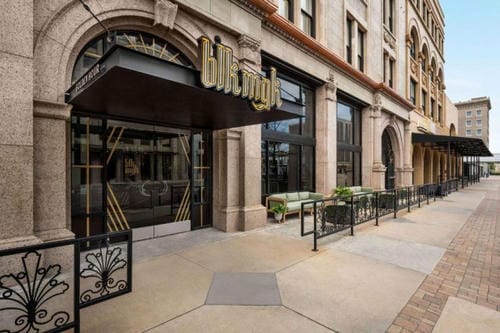
Estimated Reading Time: 10–12 minutes┃Post by: Eliza Hartwell
What Makes Boutique Hotels Affordable (and Where Most Travelers Go Wrong)
Boutique hotels occupy a unique position in the hospitality ecosystem. Unlike large chain hotels that rely on standardized room formats and centralized pricing models, boutique properties operate with smaller inventories, distinctive design identities, and highly localized operational strategies. This combination creates both opportunity and complexity for budget-conscious travelers.
The misconception most travelers have is that boutique automatically means expensive. In reality, boutique pricing is highly elastic. Because these properties often have fewer rooms—sometimes fewer than 50—they rely heavily on occupancy optimization. That means rates fluctuate aggressively based on demand, seasonality, and booking channel.
A key structural advantage for travelers is that boutique hotels are often independently owned or part of small regional groups. This allows them to adjust pricing strategies quickly, especially during low-demand periods. Industry analysis shows that off-peak travel alone can reduce rates by up to 40% in some boutique properties in major urban markets, particularly when demand softens mid-week or outside festival and convention cycles.
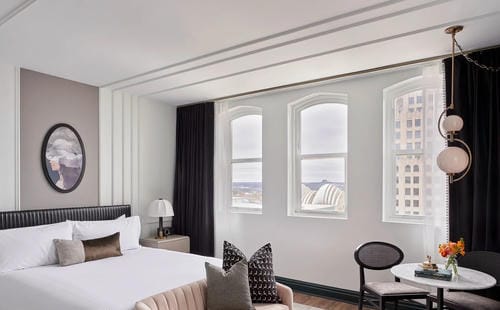
Another important factor is value density. Boutique hotels typically bundle experiential value into the stay—design-forward interiors, curated local art, specialty coffee bars, or rooftop lounges. These elements would normally cost extra in larger hotels but are often included in the baseline price. This creates a “soft luxury” effect: perceived value is high even when the absolute price is moderate.
However, affordability breaks down when travelers approach boutique hotels with the wrong assumptions. The biggest pricing mistakes include:
● Booking only in central tourist districts without comparison shopping nearby neighborhoods
● Ignoring off-season variability
● Relying exclusively on third-party booking platforms without checking direct rates
● Failing to evaluate weekday vs weekend pricing patterns
Once these structural dynamics are understood, boutique hotels become significantly more accessible across major cities like New York, London, Tokyo, Paris, and Los Angeles.
How to Consistently Pay Less for Boutique Hotels
Finding affordable boutique hotels is less about luck and more about applying a set of repeatable booking strategies. In major cities, where demand is consistently high, timing and distribution channels matter as much as the hotel itself.

Timing Is a Pricing Lever, Not Just a Convenience Factor
Boutique hotels operate on dynamic pricing models. This means rates change daily based on occupancy forecasts. Two timing strategies consistently produce savings:
Off-peak travel windows: Traveling outside peak tourism seasons or major event periods (fashion weeks, sports finals, holidays) often produces the steepest discounts. Even shifting a trip by one or two weeks can meaningfully reduce rates.
Early booking vs last-minute tradeoff: Early booking locks in lower base rates and better room selection. Last-minute booking can sometimes produce discounts when hotels attempt to fill unsold inventory, but this strategy is riskier in boutique hotels due to limited room counts.
Use Aggregators—but Don’t End Your Search There
Platforms like hotel aggregators are useful for scanning inventory across multiple properties quickly, but they rarely provide the lowest final price. They also tend to obscure package inclusions and upgrade opportunities.
A more effective workflow is:
Identify 3–5 boutique hotels via aggregator comparison
Cross-check each hotel’s official website
Compare cancellation terms, breakfast inclusion, and upgrade policies
Direct Booking Advantage
One of the most underutilized strategies is booking directly with the hotel. Boutique properties frequently offer incentives for bypassing third-party platforms, since it reduces commission costs. These incentives can include:
● Complimentary breakfast
● Room upgrades when available
● Early check-in or late checkout flexibility
● Small percentage discounts or loyalty credits
In competitive urban markets, these perks often translate into 10–20% effective value improvements even when the headline room rate is unchanged.

Leverage Price Sensitivity Windows
Boutique hotels are particularly sensitive to occupancy gaps. This creates predictable pricing dips:
● Sunday–Thursday stays in business districts
● Mid-winter or late-summer low demand periods
● Short stays between group bookings or events
● Advanced travelers often build entire itineraries around these micro-windows to maximize value.
Location Intelligence and Hidden Value in Major Cities
Location is the single largest cost driver for boutique hotels in urban environments. However, “central location” does not always mean “best value.” In fact, many travelers overpay by prioritizing proximity to landmark districts rather than transport accessibility.
The 10–20 Minute Rule
In most major cities, boutique hotels located just 10–20 minutes outside primary tourist cores (by metro or tram) can be significantly cheaper while offering comparable design quality and service standards. The tradeoff is minimal in practice because most boutique travelers already rely heavily on public transit or rideshare services.
Neighborhood-Driven Experience Value
Boutique hotels are deeply tied to their neighborhoods. Unlike chain hotels that aim for uniformity, boutique properties reflect local cultural identity. This means staying slightly outside the “obvious center” often produces a richer experience. Interestingly, this localization effect often improves perceived value even when the price difference is marginal.
(This article is intended for informational and educational purposes only. Hotel pricing, availability, and promotional offers may vary by date, location, and booking platform. Readers should verify all rates and conditions directly with hotels or trusted booking platforms before making travel decisions.)
Updated April 19, 2026
FQAs
1. Are boutique hotels always cheaper than chain hotels?
Not always. Boutique hotels can be either cheaper or more expensive depending on location, season, and demand. However, they often provide higher perceived value due to design and personalized service.
2. What is the best time to book boutique hotels in major cities?
Generally, 2–6 weeks in advance for urban stays, with additional savings possible during off-peak seasons or mid-week stays.
3. Do boutique hotels offer loyalty programs like big chains?
Some do, but they are usually smaller-scale or property-specific rather than global systems like major hotel chains.
About Author
Eliza Hartwell is a travel and hospitality writer specializing in urban tourism, boutique accommodations, and experiential travel design. With a background in hospitality consulting and destination research, she focuses on helping travelers optimize comfort, cost, and authenticity when exploring major global cities. Her work emphasizes practical travel strategy over luxury hype, with a particular interest in independent hotel ecosystems and emerging urban neighborhoods.
References
[1] The Bob Hotels. (2025). How to find affordable boutique hotels.
[2] Travel Palace Tips. (2024). Affordable boutique hotels with unique charm: A comprehensive guide.
[3] The Travel Holidays. (2025). Luxury on a budget: Affordable boutique hotels that feel 5-star.
[4] Journey Atlas. (2025). Luxury for less: How to find affordable boutique hotels.
>>>>>>> 944e541ebad74151114cbae6b7f1c9ca1f8a9f02