Watch Without Harm: A Practical Guide to Zero-Impact Wildlife Viewing
<<<<<<< HEADApril 14, 2026
Key Takeaways
● Zero-impact wildlife viewing minimizes harm to animals and their habitats.
● Responsible choices include maintaining distance, using binoculars, and staying on trails.
● Avoiding feeding or touching wildlife prevents negative behavioral changes.
● Awareness and education are crucial for sustainable wildlife tourism.

Estimated Reading Time: 12 minutes┃Post by: Alex Greenwood
Wildlife tourism has grown exponentially in recent years, as travelers increasingly seek authentic experiences connecting with nature. Observing animals in their natural habitats can be thrilling, but it carries significant responsibility. Without careful consideration, wildlife tourism can disrupt ecosystems, alter animal behavior, and even threaten species survival. This is where the concept of zero-impact wildlife viewing becomes essential—a set of practices designed to allow humans to observe animals responsibly while minimizing ecological disturbance.
Zero-Impact Wildlife Viewing
Zero-impact wildlife viewing is not just a set of guidelines—it is a philosophy that prioritizes the well-being of wildlife above human desire for close encounters. The fundamental principle is simple:
enjoy nature without leaving a mark that harms animals or their environment.
This approach goes beyond conventional “do no harm” ethics by actively promoting behaviors that conserve habitats and preserve the integrity of wildlife behavior patterns.
The concept involves three core pillars: minimizing physical impact, respecting behavioral boundaries, and supporting conservation efforts. Physical impact includes avoiding trampling plants, disturbing nesting sites, or leaving litter behind. Behavioral boundaries emphasize maintaining a safe distance, using non-intrusive observation techniques, and refraining from actions that could stress or habituate wildlife to human presence. Conservation support involves choosing operators, tours, and destinations committed to sustainable practices.

Maintaining Safe and Respectful Distances
One of the simplest yet most critical strategies in zero-impact wildlife viewing is maintaining safe distances. Getting too close to animals can trigger stress, aggression, or flight responses. For instance, approaching nesting birds may cause them to abandon their eggs, while getting near marine mammals may interrupt feeding or mating behaviors.
Practical tools such as binoculars or telephoto lenses allow observers to study wildlife in detail without encroaching on their personal space. Guided tours often enforce distance regulations, ensuring visitors can enjoy sightings without compromising animal welfare. By respecting boundaries, tourists preserve natural behaviors, contributing to research and conservation monitoring without direct interference.
Staying on Trails and Minimizing Habitat Disturbance
Another critical aspect is staying on marked trails and designated viewing areas. Many ecosystems are fragile, and off-trail exploration can damage plant life, soil composition, and microhabitats essential to wildlife. For example, trampling tundra moss or coral reefs can take decades to recover. Zero-impact practices encourage visitors to follow established paths and observe wildlife from elevated platforms or observation points.

Education is key here: understanding the ecological role of different habitats reinforces the importance of not wandering into restricted areas. Many parks and reserves provide interpretive signage to guide visitors, highlighting sensitive areas and explaining how human activity affects wildlife.
Avoiding Feeding and Touching Wildlife
Feeding or attempting to interact directly with wildlife is not only potentially dangerous but also ecologically disruptive. Artificial feeding can alter natural diets, encourage dependency on humans, and even lead to aggressive behavior. Touching animals, on the other hand, can transmit pathogens both ways, posing risks to humans and wildlife alike.
Zero-impact wildlife viewing encourages observation without interaction. Visitors can document experiences through photography or journaling, appreciating wildlife from a distance while maintaining natural behaviors. This hands-off approach ensures long-term sustainability of wildlife populations and preserves the authenticity of the natural experience.
Choosing Eco-Certified Tours and Operators
Supporting conservation-oriented operators is another essential element. Eco-certified tours adhere to strict guidelines, such as limiting group sizes, using non-intrusive observation methods, and investing in local community initiatives. By choosing responsible operators, tourists directly contribute to habitat preservation and local conservation efforts.
Before booking, research certifications from recognized organizations, read reviews, and ask questions about tour practices. Responsible tourism is a powerful tool for conservation, and informed choices amplify its impact.
Educating Yourself and Others
Finally, education and awareness underpin all zero-impact practices. Understanding animal behavior, ecosystem dynamics, and human impacts equips travelers to make informed decisions. Many wildlife reserves offer workshops, ranger talks, or guided experiences that provide context and encourage responsible engagement.

Spreading awareness among fellow travelers also magnifies the effect. Social media, blogs, and local outreach can inspire a culture of responsible wildlife tourism, ensuring future generations can enjoy natural wonders sustainably.
Despite best intentions, challenges exist. Popular destinations may struggle with overcrowding, and not all operators enforce eco-friendly practices rigorously. Solutions include visiting less-trafficked areas, traveling during off-peak seasons, and supporting conservation projects financially or through volunteering. Technology also offers innovative tools: apps can track wildlife sightings without physical disturbance, and virtual experiences can provide learning opportunities when direct observation is too risky.
Zero-impact wildlife viewing is both a responsibility and a privilege. By making conscious choices—maintaining distance, respecting habitats, avoiding interference, supporting eco-conscious operators, and spreading awareness—travelers can witness nature’s marvels without compromising them. Wildlife tourism can then become a force for conservation rather than exploitation, fostering a world where animals thrive alongside human curiosity.
(The information provided in this article is for educational and informational purposes only. While every effort has been made to ensure accuracy, readers should consult local guidelines and experts when planning wildlife viewing activities.)
Updated April 20, 2026
FQAs
1. Can I take my pet to wildlife observation areas?
Pets can disturb wildlife and introduce diseases. Most protected areas prohibit pets, so it’s best to leave them at home.
2. Are all eco-certified tours equally reliable?
Certifications vary. Look for recognized organizations and read reviews to ensure the operator truly adheres to sustainable practices.
3. What is the best time to view wildlife responsibly?
Early morning or late afternoon is often best, but avoid breeding or nesting seasons unless guided by local experts.
About Author
Alex Greenwood is a wildlife ecologist and sustainable tourism consultant with over a decade of experience in conservation-focused travel. Alex specializes in educating travelers on ethical wildlife engagement and habitat preservation, helping both novices and seasoned adventurers enjoy nature responsibly.
References
[1] World Wildlife Fund. (2023). Responsible wildlife tourism guidelines.
[2] International Union for Conservation of Nature. (2022). Human-wildlife interaction and conservation.
[3] Leave No Trace Center for Outdoor Ethics. (2023). Leave No Trace principles.
Discover more expert insights and eco-conscious travel tips by exploring the rest of our blog.
=======April 14, 2026
Key Takeaways
● Zero-impact wildlife viewing minimizes harm to animals and their habitats.
● Responsible choices include maintaining distance, using binoculars, and staying on trails.
● Avoiding feeding or touching wildlife prevents negative behavioral changes.
● Awareness and education are crucial for sustainable wildlife tourism.
Estimated Reading Time: 12 minutes┃Post by: Alex Greenwood
Wildlife tourism has grown exponentially in recent years, as travelers increasingly seek authentic experiences connecting with nature. Observing animals in their natural habitats can be thrilling, but it carries significant responsibility. Without careful consideration, wildlife tourism can disrupt ecosystems, alter animal behavior, and even threaten species survival. This is where the concept of zero-impact wildlife viewing becomes essential—a set of practices designed to allow humans to observe animals responsibly while minimizing ecological disturbance.
Zero-Impact Wildlife Viewing
Zero-impact wildlife viewing is not just a set of guidelines—it is a philosophy that prioritizes the well-being of wildlife above human desire for close encounters. The fundamental principle is simple:
enjoy nature without leaving a mark that harms animals or their environment.
This approach goes beyond conventional “do no harm” ethics by actively promoting behaviors that conserve habitats and preserve the integrity of wildlife behavior patterns.
The concept involves three core pillars: minimizing physical impact, respecting behavioral boundaries, and supporting conservation efforts. Physical impact includes avoiding trampling plants, disturbing nesting sites, or leaving litter behind. Behavioral boundaries emphasize maintaining a safe distance, using non-intrusive observation techniques, and refraining from actions that could stress or habituate wildlife to human presence. Conservation support involves choosing operators, tours, and destinations committed to sustainable practices.
Maintaining Safe and Respectful Distances
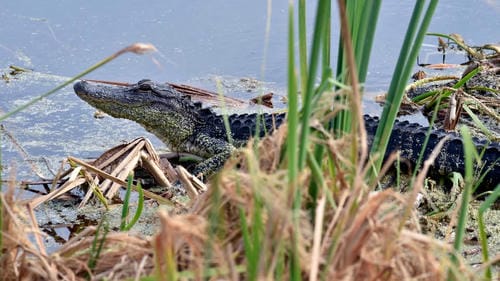
One of the simplest yet most critical strategies in zero-impact wildlife viewing is maintaining safe distances. Getting too close to animals can trigger stress, aggression, or flight responses. For instance, approaching nesting birds may cause them to abandon their eggs, while getting near marine mammals may interrupt feeding or mating behaviors.
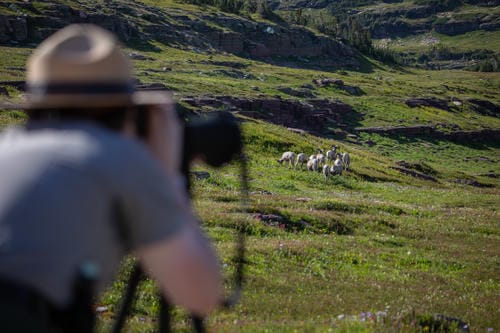
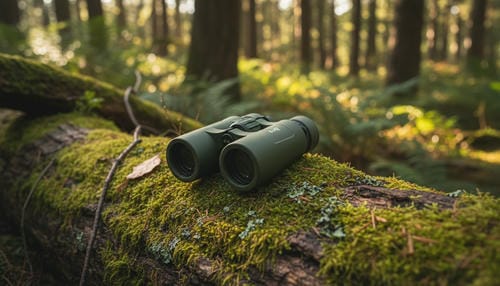
Practical tools such as binoculars or telephoto lenses allow observers to study wildlife in detail without encroaching on their personal space. Guided tours often enforce distance regulations, ensuring visitors can enjoy sightings without compromising animal welfare. By respecting boundaries, tourists preserve natural behaviors, contributing to research and conservation monitoring without direct interference.
Staying on Trails and Minimizing Habitat Disturbance
Another critical aspect is staying on marked trails and designated viewing areas. Many ecosystems are fragile, and off-trail exploration can damage plant life, soil composition, and microhabitats essential to wildlife. For example, trampling tundra moss or coral reefs can take decades to recover. Zero-impact practices encourage visitors to follow established paths and observe wildlife from elevated platforms or observation points.
Education is key here: understanding the ecological role of different habitats reinforces the importance of not wandering into restricted areas. Many parks and reserves provide interpretive signage to guide visitors, highlighting sensitive areas and explaining how human activity affects wildlife.
Avoiding Feeding and Touching Wildlife
Feeding or attempting to interact directly with wildlife is not only potentially dangerous but also ecologically disruptive. Artificial feeding can alter natural diets, encourage dependency on humans, and even lead to aggressive behavior. Touching animals, on the other hand, can transmit pathogens both ways, posing risks to humans and wildlife alike.
Zero-impact wildlife viewing encourages observation without interaction. Visitors can document experiences through photography or journaling, appreciating wildlife from a distance while maintaining natural behaviors. This hands-off approach ensures long-term sustainability of wildlife populations and preserves the authenticity of the natural experience.
Choosing Eco-Certified Tours and Operators
Supporting conservation-oriented operators is another essential element. Eco-certified tours adhere to strict guidelines, such as limiting group sizes, using non-intrusive observation methods, and investing in local community initiatives. By choosing responsible operators, tourists directly contribute to habitat preservation and local conservation efforts.
Before booking, research certifications from recognized organizations, read reviews, and ask questions about tour practices. Responsible tourism is a powerful tool for conservation, and informed choices amplify its impact.
Educating Yourself and Others
Finally, education and awareness underpin all zero-impact practices. Understanding animal behavior, ecosystem dynamics, and human impacts equips travelers to make informed decisions. Many wildlife reserves offer workshops, ranger talks, or guided experiences that provide context and encourage responsible engagement.
Spreading awareness among fellow travelers also magnifies the effect. Social media, blogs, and local outreach can inspire a culture of responsible wildlife tourism, ensuring future generations can enjoy natural wonders sustainably.
Despite best intentions, challenges exist. Popular destinations may struggle with overcrowding, and not all operators enforce eco-friendly practices rigorously. Solutions include visiting less-trafficked areas, traveling during off-peak seasons, and supporting conservation projects financially or through volunteering. Technology also offers innovative tools: apps can track wildlife sightings without physical disturbance, and virtual experiences can provide learning opportunities when direct observation is too risky.
Zero-impact wildlife viewing is both a responsibility and a privilege. By making conscious choices—maintaining distance, respecting habitats, avoiding interference, supporting eco-conscious operators, and spreading awareness—travelers can witness nature’s marvels without compromising them. Wildlife tourism can then become a force for conservation rather than exploitation, fostering a world where animals thrive alongside human curiosity.
(The information provided in this article is for educational and informational purposes only. While every effort has been made to ensure accuracy, readers should consult local guidelines and experts when planning wildlife viewing activities.)
Updated April 20, 2026
FQAs
1. Can I take my pet to wildlife observation areas?
Pets can disturb wildlife and introduce diseases. Most protected areas prohibit pets, so it’s best to leave them at home.
2. Are all eco-certified tours equally reliable?
Certifications vary. Look for recognized organizations and read reviews to ensure the operator truly adheres to sustainable practices.
3. What is the best time to view wildlife responsibly?
Early morning or late afternoon is often best, but avoid breeding or nesting seasons unless guided by local experts.
About Author
Alex Greenwood is a wildlife ecologist and sustainable tourism consultant with over a decade of experience in conservation-focused travel. Alex specializes in educating travelers on ethical wildlife engagement and habitat preservation, helping both novices and seasoned adventurers enjoy nature responsibly.
References
[1] World Wildlife Fund. (2023). Responsible wildlife tourism guidelines.
[2] International Union for Conservation of Nature. (2022). Human-wildlife interaction and conservation.
[3] Leave No Trace Center for Outdoor Ethics. (2023). Leave No Trace principles.
Discover more expert insights and eco-conscious travel tips by exploring the rest of our blog.
>>>>>>> 944e541ebad74151114cbae6b7f1c9ca1f8a9f02