Proven Ways to Prevent and Beat Motion Sickness While Traveling
<<<<<<< HEADApril 14, 2026
Key Highlights:
● Motion sickness is caused by conflicting sensory signals between the eyes, inner ear, and body.
● Simple behavioral adjustments like seat positioning and gaze control can significantly reduce symptoms.
● Natural remedies and medications offer effective relief depending on severity.
● Preparing in advance is the most reliable way to ensure a comfortable, nausea-free journey.

Estimated Reading Time: 9–11 minutes┃Post by: Elara Windham
Understanding Motion Sickness and Why It Happens
Motion sickness originates from a mismatch between what your eyes see and what your vestibular system (inner ear) perceives. When these signals fail to align, the brain interprets the discrepancy as a form of neurological stress, triggering nausea, dizziness, and sweating. This conflict is especially common in environments where movement is felt but not visually confirmed, or vice versa.
Why the brain reacts so strongly
The brain evolved to treat sensory mismatch as a potential sign of neurotoxin exposure. As a protective response, it initiates vomiting mechanisms to expel perceived toxins. Although this response is maladaptive in modern travel contexts, it explains why symptoms can feel so intense even in harmless situations like car rides or flights.
Who is most vulnerable to motion sickness
Certain groups are significantly more prone to motion sickness, including children, pregnant individuals, and those with migraine tendencies or vestibular sensitivity. Psychological factors such as anxiety and anticipation can further heighten susceptibility, creating a feedback loop that intensifies symptoms before they even begin.

Practical Strategies to Prevent Motion Sickness Before and During Travel
Choosing the most stable seat position
Seat selection plays a critical role in minimizing motion intensity. In cars, the front passenger seat provides the most stable visual field. On buses, forward seats experience less lateral sway. On airplanes, seats over the wings reduce turbulence perception, while central lower decks on ships offer the least vertical movement.
Aligning your gaze with the horizon
Visual stabilization is one of the most effective preventive techniques. Keeping your eyes fixed on a stable external reference point, such as the horizon, helps synchronize visual and vestibular signals. Avoid reading, phone use, or close-focus tasks, as these amplify sensory dissonance.
Managing posture and head stability
Keeping your head aligned with the direction of travel reduces conflicting motion signals. Using a headrest or neck support can prevent micro-movements that exacerbate symptoms. A slightly reclined position often distributes motion forces more evenly and reduces vestibular strain.
Optimizing diet and hydration before travel
What you consume before and during travel directly influences susceptibility. Heavy, greasy, or spicy meals can irritate the stomach, while hunger can intensify nausea. Light, bland foods and steady hydration are ideal. Avoiding alcohol and excessive caffeine is also essential for maintaining vestibular stability.
Natural remedies and medical interventions
Ginger and peppermint are widely recognized natural options for reducing nausea and calming the digestive system. For more severe cases, antihistamines such as dimenhydrinate or meclizine can suppress vestibular overactivity, though they may cause drowsiness. Scopolamine patches provide longer-lasting protection for extended journeys.

Long-Term Solutions and Building Motion Resilience
Gradual exposure and habituation training
One of the most effective long-term strategies is controlled exposure to motion stimuli. By gradually increasing travel duration and intensity, the brain can adapt and reduce its overreaction to sensory mismatch. This process, known as habituation, is commonly used in vestibular rehabilitation therapy.
Strengthening balance and vestibular control
Physical activities that challenge balance—such as yoga, tai chi, or targeted vestibular exercises—improve coordination between sensory systems. Strengthening core stability also helps reduce unnecessary body movement during travel, decreasing symptom severity.
Mental conditioning and anticipatory control
Psychological preparedness is often underestimated. Anxiety can amplify symptoms before motion even begins. Techniques such as controlled breathing, visualization of smooth travel, and cognitive reframing can reduce anticipatory stress and improve tolerance.
Technological aids and modern solutions
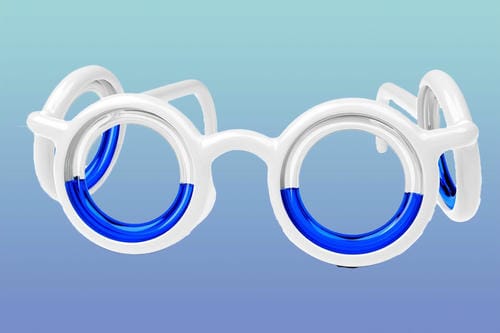
Emerging tools such as motion sickness glasses use visual stabilization techniques to reduce sensory conflict. Experimental VR-based desensitization programs are also being explored as a way to retrain the brain’s response to motion in controlled environments.

(This article is intended for informational purposes only and does not constitute medical advice. Readers experiencing severe or persistent symptoms should consult a qualified healthcare professional before using any medications or treatments discussed.)
Updated April 20, 2026
FQAs
1. Can motion sickness go away permanently?
For many individuals, symptoms decrease significantly over time through repeated exposure and adaptation, although sensitivity may still reappear under extreme conditions.
2. Why does looking at a phone make motion sickness worse?
Screens create a visual sense of stillness while the body is moving, intensifying the sensory mismatch that triggers symptoms.
3. Are natural remedies like ginger really effective?
Ginger has been shown in multiple studies to reduce nausea severity in some individuals, though effectiveness varies from person to person.
About Author
Elara Windham is a seasoned travel wellness writer with over a decade of experience exploring the intersection of health and mobility. Having journeyed across six continents, she specializes in practical strategies that help travelers overcome physical challenges and enjoy smoother, more comfortable adventures.
Reference
[1] Golding, J. F. (2016). Motion sickness susceptibility. Autonomic Neuroscience: Basic and Clinical, 129(1–2), 67–76.
[2] Hain, T. C., & Cherchi, M. (2019). Motion sickness: Pathophysiology, diagnosis, and treatment. Vestibular Disorders Journal, 28(3), 123–135.
[3] National Institutes of Health. (2023). Motion sickness.
[3] Mayo Clinic. (2024). Motion sickness: Symptoms and causes.
Stay with us for more expert travel insights and practical tips to make every journey smoother and more enjoyable.
=======April 14, 2026
Key Highlights:
● Motion sickness is caused by conflicting sensory signals between the eyes, inner ear, and body.
● Simple behavioral adjustments like seat positioning and gaze control can significantly reduce symptoms.
● Natural remedies and medications offer effective relief depending on severity.
● Preparing in advance is the most reliable way to ensure a comfortable, nausea-free journey.
Estimated Reading Time: 9–11 minutes┃Post by: Elara Windham
Understanding Motion Sickness and Why It Happens
Motion sickness originates from a mismatch between what your eyes see and what your vestibular system (inner ear) perceives. When these signals fail to align, the brain interprets the discrepancy as a form of neurological stress, triggering nausea, dizziness, and sweating. This conflict is especially common in environments where movement is felt but not visually confirmed, or vice versa.
Why the brain reacts so strongly
The brain evolved to treat sensory mismatch as a potential sign of neurotoxin exposure. As a protective response, it initiates vomiting mechanisms to expel perceived toxins. Although this response is maladaptive in modern travel contexts, it explains why symptoms can feel so intense even in harmless situations like car rides or flights.
Who is most vulnerable to motion sickness
Certain groups are significantly more prone to motion sickness, including children, pregnant individuals, and those with migraine tendencies or vestibular sensitivity. Psychological factors such as anxiety and anticipation can further heighten susceptibility, creating a feedback loop that intensifies symptoms before they even begin.
Practical Strategies to Prevent Motion Sickness Before and During Travel
Choosing the most stable seat position
Seat selection plays a critical role in minimizing motion intensity. In cars, the front passenger seat provides the most stable visual field. On buses, forward seats experience less lateral sway. On airplanes, seats over the wings reduce turbulence perception, while central lower decks on ships offer the least vertical movement.
Aligning your gaze with the horizon
Visual stabilization is one of the most effective preventive techniques. Keeping your eyes fixed on a stable external reference point, such as the horizon, helps synchronize visual and vestibular signals. Avoid reading, phone use, or close-focus tasks, as these amplify sensory dissonance.
Managing posture and head stability
Keeping your head aligned with the direction of travel reduces conflicting motion signals. Using a headrest or neck support can prevent micro-movements that exacerbate symptoms. A slightly reclined position often distributes motion forces more evenly and reduces vestibular strain.
Optimizing diet and hydration before travel
What you consume before and during travel directly influences susceptibility. Heavy, greasy, or spicy meals can irritate the stomach, while hunger can intensify nausea. Light, bland foods and steady hydration are ideal. Avoiding alcohol and excessive caffeine is also essential for maintaining vestibular stability.
Natural remedies and medical interventions
Ginger and peppermint are widely recognized natural options for reducing nausea and calming the digestive system. For more severe cases, antihistamines such as dimenhydrinate or meclizine can suppress vestibular overactivity, though they may cause drowsiness. Scopolamine patches provide longer-lasting protection for extended journeys.

Long-Term Solutions and Building Motion Resilience
Gradual exposure and habituation training
One of the most effective long-term strategies is controlled exposure to motion stimuli. By gradually increasing travel duration and intensity, the brain can adapt and reduce its overreaction to sensory mismatch. This process, known as habituation, is commonly used in vestibular rehabilitation therapy.
Strengthening balance and vestibular control
Physical activities that challenge balance—such as yoga, tai chi, or targeted vestibular exercises—improve coordination between sensory systems. Strengthening core stability also helps reduce unnecessary body movement during travel, decreasing symptom severity.
Mental conditioning and anticipatory control
Psychological preparedness is often underestimated. Anxiety can amplify symptoms before motion even begins. Techniques such as controlled breathing, visualization of smooth travel, and cognitive reframing can reduce anticipatory stress and improve tolerance.
Technological aids and modern solutions
Emerging tools such as motion sickness glasses use visual stabilization techniques to reduce sensory conflict. Experimental VR-based desensitization programs are also being explored as a way to retrain the brain’s response to motion in controlled environments.
(This article is intended for informational purposes only and does not constitute medical advice. Readers experiencing severe or persistent symptoms should consult a qualified healthcare professional before using any medications or treatments discussed.)
Updated April 20, 2026
FQAs
1. Can motion sickness go away permanently?
For many individuals, symptoms decrease significantly over time through repeated exposure and adaptation, although sensitivity may still reappear under extreme conditions.
2. Why does looking at a phone make motion sickness worse?
Screens create a visual sense of stillness while the body is moving, intensifying the sensory mismatch that triggers symptoms.
3. Are natural remedies like ginger really effective?
Ginger has been shown in multiple studies to reduce nausea severity in some individuals, though effectiveness varies from person to person.
About Author
Elara Windham is a seasoned travel wellness writer with over a decade of experience exploring the intersection of health and mobility. Having journeyed across six continents, she specializes in practical strategies that help travelers overcome physical challenges and enjoy smoother, more comfortable adventures.
Reference
[1] Golding, J. F. (2016). Motion sickness susceptibility. Autonomic Neuroscience: Basic and Clinical, 129(1–2), 67–76.
[2] Hain, T. C., & Cherchi, M. (2019). Motion sickness: Pathophysiology, diagnosis, and treatment. Vestibular Disorders Journal, 28(3), 123–135.
[3] National Institutes of Health. (2023). Motion sickness.
[3] Mayo Clinic. (2024). Motion sickness: Symptoms and causes.
Stay with us for more expert travel insights and practical tips to make every journey smoother and more enjoyable.
>>>>>>> 944e541ebad74151114cbae6b7f1c9ca1f8a9f02