Scaling the City: Your Complete Guide to Choosing the Right Urban Climbing Gear
<<<<<<< HEADApril 15, 2026
Key Highlights:
● Urban climbing requires specialized gear tailored to safety, mobility, and durability.
● Choosing the right shoes significantly affects grip, comfort, and performance.
● Harnesses, ropes, and protective equipment must be selected with urban environments in mind.
● Clothing and accessories should balance flexibility, breathability, and resilience.
● Proper knowledge of gear maintenance and inspection ensures a safe and enjoyable climbing experience.

Estimated Reading Time: 9 minutes┃Post by: Jordan Avery
Urban climbing, sometimes called buildering, has evolved from a niche subculture into a thrilling urban sport. Unlike outdoor climbing, it challenges climbers to navigate man-made structures such as skyscrapers, bridges, stairwells, and scaffolding. The sport is as much about creativity as it is about physical skill, but it comes with unique hazards. To climb safely and efficiently, selecting the right gear is essential.
Footwear: The Foundation of Urban Climbing
Shoes are arguably the most critical piece of gear for any climber. Urban surfaces—ranging from concrete walls to metal pipes and glass railings—require soles that are both sticky and durable. Climbing shoes should fit snugly but comfortably, offering support without restricting movement.
Sticky rubber soles provide excellent traction on smooth surfaces, while asymmetrical designs allow precise foot placement on narrow edges. For urban climbing, shoes with reinforced toes can also help protect against impact with hard surfaces.

Testing shoes in controlled environments before attempting actual climbs is highly recommended. Many climbers have personal preferences for brand and style based on fit, sole thickness, and the type of surfaces they most often climb. Comfort, grip, and agility should always be prioritized over fashion when selecting footwear.
Protective Equipment: Safety Without Compromise
While urban climbing can be exhilarating, it is inherently risky. Protective equipment is non-negotiable, especially for higher or more technical climbs. Helmets, harnesses, and ropes are the core safety items, but gloves, knee pads, and first-aid kits also enhance safety.
Harnesses should offer both comfort and adjustability, allowing freedom of movement while keeping climbers securely attached to ropes or anchors. Ropes must be selected based on strength, abrasion resistance, and weight. Because urban surfaces can be rough or unpredictable, specialized climbing ropes designed for durability are preferable.
Helmets protect against falls or debris, and gloves can improve grip while protecting hands from cuts or blisters. Advanced climbers often carry lightweight padding or crash mats when attempting trickier moves in semi-controlled urban environments. Prioritizing safety over aesthetics can make the difference between a successful climb and serious injury.

Clothing and Accessories: Balancing Mobility and Protection
Clothing for urban climbing must be functional. Breathable, stretchable fabrics allow a full range of motion while wicking away sweat. Durability is equally important, as city structures can scrape or tear weak materials.
Layering can provide flexibility in fluctuating weather conditions, but bulky clothing can restrict movement. Lightweight jackets, compression pants, and flexible tops often strike the best balance. Accessories such as chalk bags, grip-enhancing gloves, and small backpacks help climbers manage equipment without impeding motion.
Some urban climbers even incorporate minimalist gear like headlamps for night climbing or reflective clothing for low-light visibility. Every item should be evaluated based on necessity, mobility, and safety, creating a streamlined kit that enhances performance rather than weighing the climber down.
Gear Maintenance: Ensuring Reliability and Longevity
Even the best gear can fail if not properly maintained. Regular inspections are critical. Shoes should be checked for worn soles or loose stitching, ropes for fraying or cuts, and harnesses for structural integrity.
Cleaning gear after each climb prevents dirt, dust, and grime from degrading performance. Storing equipment in a cool, dry place and following manufacturer instructions for replacement intervals ensures longevity and safety. Many accidents can be traced back to overlooked gear maintenance, so climbers should adopt a disciplined approach.

Additionally, climbers should document inspections and replacements to track the lifespan of critical equipment. This systematic approach allows climbers to preemptively address wear and tear before it becomes hazardous.
Practical Tips for Urban Climbing Gear Selection
When building your urban climbing kit, start with the essentials: shoes, harness, ropes, and helmet. Test and adjust each piece for personal comfort and performance. Gradually incorporate accessories like gloves, chalk, and protective padding as you gain experience.
Understanding your local climbing environment is also key. Different cities have varying surfaces, materials, and heights, all of which influence gear choice. For example, climbing steel structures may require sturdier shoes and gloves, while concrete walls may necessitate reinforced toe protection.

Urban climbing is not just a physical challenge; it is also a logistical and strategic activity. Planning your gear according to the specific environment allows climbers to reduce risk, increase efficiency, and enjoy the experience with confidence.
By carefully selecting and maintaining your gear, urban climbing becomes both safer and more enjoyable. Whether navigating rooftops, stairwells, or bridges, the right equipment allows you to focus on technique and creativity rather than worrying about injuries or failure. Urban climbing turns everyday city structures into playgrounds of adventure for those willing to prepare responsibly.
(This article is intended for informational purposes only. Urban climbing can be dangerous and may be subject to local laws and regulations. Readers should exercise caution, use proper safety equipment, and obtain appropriate training before attempting any climbing activities. The author assumes no liability for injuries or damages resulting from climbing practices discussed in this article.)
Updated April 21, 2026
FQAs
1. What is the most important piece of gear for beginner urban climbers?
Footwear is generally considered the most crucial, as it directly affects grip, balance, and movement.
2. Can urban climbing be practiced legally in cities?
Many urban climbing activities are restricted or illegal. Always check local regulations and obtain permission where necessary.
3. How often should climbing gear be inspected?
Gear should be inspected before each use, with detailed evaluations monthly, especially for ropes and harnesses.
About Author
Jordan Avery is an adventure travel writer and certified climbing instructor with over a decade of experience in both outdoor and urban climbing. Jordan specializes in providing practical tips for safe, responsible, and innovative climbing experiences in urban environments.
References
[1] American Alpine Club. (2020). Climbing safety and gear guide.
[2] Outdoor Gear Lab. (2022). Best climbing shoes and harnesses for beginners.
[3] Urban Climbing Association. (2021). City climbing safety protocols.
Explore more articles on this blog for tips on adventure travel, gear reviews, and urban exploration experiences that elevate your journeys.
=======April 15, 2026
Key Highlights:
● Urban climbing requires specialized gear tailored to safety, mobility, and durability.
● Choosing the right shoes significantly affects grip, comfort, and performance.
● Harnesses, ropes, and protective equipment must be selected with urban environments in mind.
● Clothing and accessories should balance flexibility, breathability, and resilience.
● Proper knowledge of gear maintenance and inspection ensures a safe and enjoyable climbing experience.
Estimated Reading Time: 9 minutes┃Post by: Jordan Avery
Urban climbing, sometimes called buildering, has evolved from a niche subculture into a thrilling urban sport. Unlike outdoor climbing, it challenges climbers to navigate man-made structures such as skyscrapers, bridges, stairwells, and scaffolding. The sport is as much about creativity as it is about physical skill, but it comes with unique hazards. To climb safely and efficiently, selecting the right gear is essential.
Footwear: The Foundation of Urban Climbing
Shoes are arguably the most critical piece of gear for any climber. Urban surfaces—ranging from concrete walls to metal pipes and glass railings—require soles that are both sticky and durable. Climbing shoes should fit snugly but comfortably, offering support without restricting movement.
Sticky rubber soles provide excellent traction on smooth surfaces, while asymmetrical designs allow precise foot placement on narrow edges. For urban climbing, shoes with reinforced toes can also help protect against impact with hard surfaces.
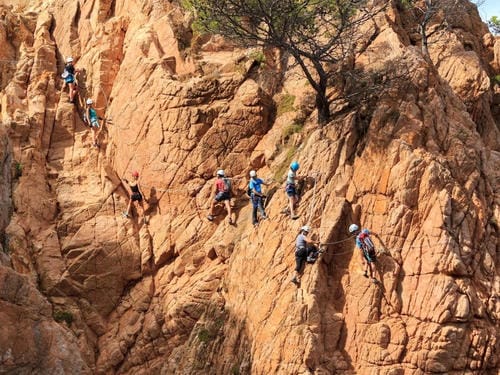
Testing shoes in controlled environments before attempting actual climbs is highly recommended. Many climbers have personal preferences for brand and style based on fit, sole thickness, and the type of surfaces they most often climb. Comfort, grip, and agility should always be prioritized over fashion when selecting footwear.
Protective Equipment: Safety Without Compromise
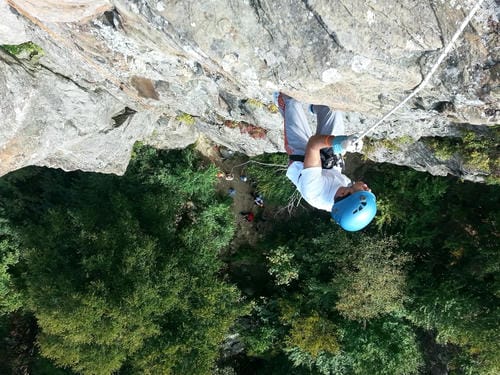
While urban climbing can be exhilarating, it is inherently risky. Protective equipment is non-negotiable, especially for higher or more technical climbs. Helmets, harnesses, and ropes are the core safety items, but gloves, knee pads, and first-aid kits also enhance safety.
Harnesses should offer both comfort and adjustability, allowing freedom of movement while keeping climbers securely attached to ropes or anchors. Ropes must be selected based on strength, abrasion resistance, and weight. Because urban surfaces can be rough or unpredictable, specialized climbing ropes designed for durability are preferable.
Helmets protect against falls or debris, and gloves can improve grip while protecting hands from cuts or blisters. Advanced climbers often carry lightweight padding or crash mats when attempting trickier moves in semi-controlled urban environments. Prioritizing safety over aesthetics can make the difference between a successful climb and serious injury.

Clothing and Accessories: Balancing Mobility and Protection
Clothing for urban climbing must be functional. Breathable, stretchable fabrics allow a full range of motion while wicking away sweat. Durability is equally important, as city structures can scrape or tear weak materials.
Layering can provide flexibility in fluctuating weather conditions, but bulky clothing can restrict movement. Lightweight jackets, compression pants, and flexible tops often strike the best balance. Accessories such as chalk bags, grip-enhancing gloves, and small backpacks help climbers manage equipment without impeding motion.
Some urban climbers even incorporate minimalist gear like headlamps for night climbing or reflective clothing for low-light visibility. Every item should be evaluated based on necessity, mobility, and safety, creating a streamlined kit that enhances performance rather than weighing the climber down.
Gear Maintenance: Ensuring Reliability and Longevity
Even the best gear can fail if not properly maintained. Regular inspections are critical. Shoes should be checked for worn soles or loose stitching, ropes for fraying or cuts, and harnesses for structural integrity.
Cleaning gear after each climb prevents dirt, dust, and grime from degrading performance. Storing equipment in a cool, dry place and following manufacturer instructions for replacement intervals ensures longevity and safety. Many accidents can be traced back to overlooked gear maintenance, so climbers should adopt a disciplined approach.
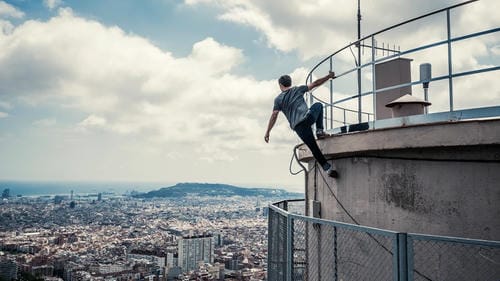
Additionally, climbers should document inspections and replacements to track the lifespan of critical equipment. This systematic approach allows climbers to preemptively address wear and tear before it becomes hazardous.
Practical Tips for Urban Climbing Gear Selection
When building your urban climbing kit, start with the essentials: shoes, harness, ropes, and helmet. Test and adjust each piece for personal comfort and performance. Gradually incorporate accessories like gloves, chalk, and protective padding as you gain experience.
Understanding your local climbing environment is also key. Different cities have varying surfaces, materials, and heights, all of which influence gear choice. For example, climbing steel structures may require sturdier shoes and gloves, while concrete walls may necessitate reinforced toe protection.
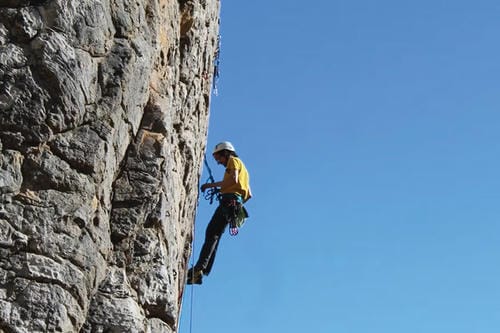
Urban climbing is not just a physical challenge; it is also a logistical and strategic activity. Planning your gear according to the specific environment allows climbers to reduce risk, increase efficiency, and enjoy the experience with confidence.
By carefully selecting and maintaining your gear, urban climbing becomes both safer and more enjoyable. Whether navigating rooftops, stairwells, or bridges, the right equipment allows you to focus on technique and creativity rather than worrying about injuries or failure. Urban climbing turns everyday city structures into playgrounds of adventure for those willing to prepare responsibly.
(This article is intended for informational purposes only. Urban climbing can be dangerous and may be subject to local laws and regulations. Readers should exercise caution, use proper safety equipment, and obtain appropriate training before attempting any climbing activities. The author assumes no liability for injuries or damages resulting from climbing practices discussed in this article.)
Updated April 21, 2026
FQAs
1. What is the most important piece of gear for beginner urban climbers?
Footwear is generally considered the most crucial, as it directly affects grip, balance, and movement.
2. Can urban climbing be practiced legally in cities?
Many urban climbing activities are restricted or illegal. Always check local regulations and obtain permission where necessary.
3. How often should climbing gear be inspected?
Gear should be inspected before each use, with detailed evaluations monthly, especially for ropes and harnesses.
About Author
Jordan Avery is an adventure travel writer and certified climbing instructor with over a decade of experience in both outdoor and urban climbing. Jordan specializes in providing practical tips for safe, responsible, and innovative climbing experiences in urban environments.
References
[1] American Alpine Club. (2020). Climbing safety and gear guide.
[2] Outdoor Gear Lab. (2022). Best climbing shoes and harnesses for beginners.
[3] Urban Climbing Association. (2021). City climbing safety protocols.
Explore more articles on this blog for tips on adventure travel, gear reviews, and urban exploration experiences that elevate your journeys.
>>>>>>> 944e541ebad74151114cbae6b7f1c9ca1f8a9f02