Safe Steps Outdoors: A Guide to Planning Family Hiking Trips
<<<<<<< HEADApril 18, 2026
Key Highlights:
● Families can enjoy nature together by choosing safe and scenic hiking routes.
● Selecting trails suitable for different age groups ensures a pleasant experience for everyone.
● Proper preparation, including gear, snacks, and hydration, is essential for a stress-free hike.
● Many trails offer educational opportunities, introducing children to local flora and fauna.
● Hiking as a family activity promotes physical health, mental well-being, and stronger family bonds.

Estimated Reading Time: 9 minutes┃Post by: Emma L. Harrison
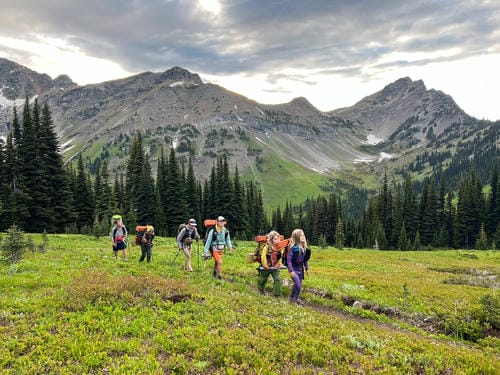
Hiking is increasingly becoming a popular activity among families looking to combine recreation, physical exercise, and quality time in the great outdoors. For parents and guardians seeking budget-friendly, accessible, and safe experiences, selecting the right hiking routes is essential. This guide outlines recommended trails for families, practical tips for planning, and insights into the broader economic and social benefits of family hiking.
Choosing Family-Friendly Hiking Routes
When it comes to family hiking, the first consideration is the trail’s difficulty level. Routes should be graded based on distance, elevation gain, and terrain type. For younger children, gentle slopes and shorter distances (typically 1–3 miles) are ideal. Trails that include engaging features such as streams, wildlife observation points, or scenic overlooks provide motivation for children and keep the hike exciting.
Many national and state parks offer designated “family trails,” often well-marked, maintained, and accessible. For instance, the Greenway Park Loop in Oregon spans 2.5 miles and includes educational signs about local wildlife. Similarly, the Blue Lake Trail in Minnesota provides a 3-mile route with a manageable incline and gentle terrain perfect for young hikers and casual walkers. These thoughtfully designed paths let families explore nature safely while enjoying relaxed outdoor time together.
Balancing Adventure and Safety
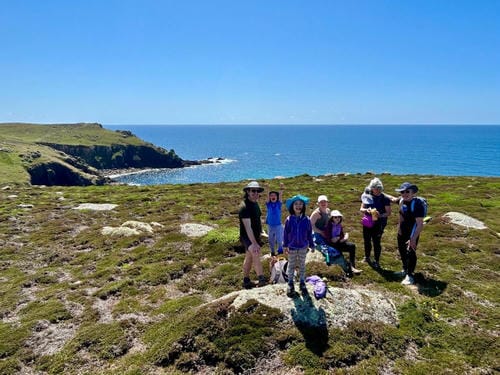
Successful family hiking begins long before stepping onto the trail, and the quality of preparation directly determines both safety and enjoyment. Families should start by researching routes in detail, focusing on distance, elevation gain, terrain type, and accessibility rather than relying solely on general “easy” ratings. What is manageable for adults may still be overwhelming for children, so selecting short, well-marked trails with predictable terrain is a practical starting point. It is also advisable to identify turnaround points in advance, allowing flexibility if younger hikers become fatigued or conditions change unexpectedly.

Equally important is building a basic safety framework around the hike. This includes checking weather forecasts immediately before departure and preparing for sudden shifts in temperature, rain, or heat exposure. Families should pack layered clothing, sun protection, and rain gear regardless of the initial forecast, as outdoor conditions can change rapidly. Footwear should be appropriate for uneven or potentially slippery terrain, and every participant should have access to hydration and high-energy snacks to maintain stamina throughout the hike.
Integrating Learning Opportunities
Family hikes can double as educational outings. Many trails incorporate interpretive signage, illustrating ecological systems, native plants, or historical events. Children learn more effectively when they experience lessons firsthand. For instance, identifying tree species or following animal tracks not only enriches the hike but also fosters curiosity about the natural world.
Some parks offer guided family hikes where rangers or volunteers lead groups, discussing local conservation efforts and biodiversity. This approach enhances awareness of environmental stewardship, which has long-term social and economic benefits. By instilling sustainable habits early, families contribute to a more ecologically responsible generation.
Planning and Preparation
Preparation also extends to carrying essential equipment. A compact first aid kit, navigation tools such as a map or offline GPS, and a fully charged phone or backup battery should be standard. Many experienced hikers also recommend assigning light responsibility to children, such as carrying a small backpack with water, snacks, or a whistle, which helps them stay engaged while reinforcing safety awareness. However, loads should remain minimal to avoid fatigue.

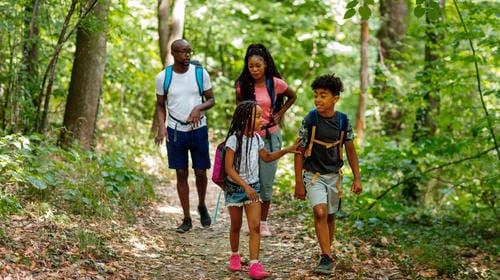
During the hike, safety and enjoyment should be treated as equally important priorities. Families are encouraged to maintain visual or auditory contact with children at all times and to establish simple safety rules before starting, such as staying on the trail and stopping when called. Frequent breaks are not interruptions but essential pacing tools that help prevent exhaustion and reduce risk. In practice, the best family hikes are those where parents remain flexible—willing to slow down, change plans, or turn back when necessary—ensuring that the experience remains positive rather than physically or emotionally overwhelming for younger participants.
Economic Benefits of Family Hiking
While hiking itself is a low-cost activity, it generates indirect economic benefits. Local communities near popular trails often see increased revenue from food vendors, gear shops, and lodging services. Eco-tourism and outdoor recreation contribute billions annually to state and regional economies. By promoting family-oriented routes, parks and municipalities create sustainable income streams while encouraging healthy lifestyles.
In addition, spending on hiking gear and accessories—backpacks, water bottles, hiking shoes, and outdoor clothing—supports small businesses. Many family hikers report prioritizing quality and durability, which reinforces demand for sustainable products. This ripple effect highlights the intersection of outdoor recreation, local economies, and consumer behavior.

Recommended Trails by Region
Northeast U.S.:
Bear Mountain State Park, New York: Gentle 2-mile loop with panoramic views and a small lake.
Blue Hills Reservation, Massachusetts: Offers 1–3 mile options suitable for children with educational signage.
Midwest U.S.:
Turkey Run State Park, Indiana: Woodland trails with short distances and occasional streams.
Minnehaha Falls, Minnesota: Paved and natural paths suitable for all ages.
West Coast U.S.:
Muir Woods National Monument, California: Flat paths through old-growth redwoods.
Forest Park, Oregon: Offers multiple loops with minimal elevation change, ideal for young hikers.
South U.S.:
Great Smoky Mountains National Park, Tennessee/North Carolina: Family-friendly trails like Laurel Falls Trail (2.6 miles round trip).
Huntsville Botanical Garden Trails, Alabama: Short scenic loops with picnic areas.
(This article provides general guidance on family hiking routes and safety measures. It is not a substitute for professional advice, medical guidance, or local regulations. Readers should verify trail conditions, closures, and safety information before visiting.)
Updated April 24, 2026
FAQs
1. What is the best time of year for family hikes?
Spring and fall are ideal due to mild temperatures and minimal insect activity. Summer can be hot, and winter may pose hazards such as ice or snow.
2. How can families manage hiking with very young children?
Choose short, shaded trails with flat terrain, take frequent breaks, and bring carriers or strollers if paths allow.
3. Are pets allowed on these family trails?
Policies vary by park. Many trails permit leashed pets, but check regulations to ensure a safe experience for all hikers.
About Author
Emma L. Harrison is an outdoor enthusiast and family travel writer with over a decade of experience exploring natural trails and parks across the United States. She specializes in guiding families to safe, educational, and budget-conscious outdoor activities. Her work emphasizes sustainable recreation and accessible nature experiences.
References
[1] National Park Service. (2023). Hiking with children: Tips and trails.
[2] AllTrails. (2023). Family-friendly hiking trails.
[3] American Hiking Society. (2023). Benefits of hiking for families.
Stay connected with our blog for more practical tips on outdoor recreation, family activities, and budget-friendly adventures.
=======
April 18, 2026
Key Highlights:
● Families can enjoy nature together by choosing safe and scenic hiking routes.
● Selecting trails suitable for different age groups ensures a pleasant experience for everyone.
● Proper preparation, including gear, snacks, and hydration, is essential for a stress-free hike.
● Many trails offer educational opportunities, introducing children to local flora and fauna.
● Hiking as a family activity promotes physical health, mental well-being, and stronger family bonds.
Estimated Reading Time: 9 minutes┃Post by: Emma L. Harrison
Hiking is increasingly becoming a popular activity among families looking to combine recreation, physical exercise, and quality time in the great outdoors. For parents and guardians seeking budget-friendly, accessible, and safe experiences, selecting the right hiking routes is essential. This guide outlines recommended trails for families, practical tips for planning, and insights into the broader economic and social benefits of family hiking.
Choosing Family-Friendly Hiking Routes
When it comes to family hiking, the first consideration is the trail’s difficulty level. Routes should be graded based on distance, elevation gain, and terrain type. For younger children, gentle slopes and shorter distances (typically 1–3 miles) are ideal. Trails that include engaging features such as streams, wildlife observation points, or scenic overlooks provide motivation for children and keep the hike exciting.
Many national and state parks offer designated “family trails,” often well-marked, maintained, and accessible. For instance, the Greenway Park Loop in Oregon spans 2.5 miles and includes educational signs about local wildlife. Similarly, the Blue Lake Trail in Minnesota provides a 3-mile route with a manageable incline and gentle terrain perfect for young hikers and casual walkers. These thoughtfully designed paths let families explore nature safely while enjoying relaxed outdoor time together.
Balancing Adventure and Safety
Successful family hiking begins long before stepping onto the trail, and the quality of preparation directly determines both safety and enjoyment. Families should start by researching routes in detail, focusing on distance, elevation gain, terrain type, and accessibility rather than relying solely on general “easy” ratings. What is manageable for adults may still be overwhelming for children, so selecting short, well-marked trails with predictable terrain is a practical starting point. It is also advisable to identify turnaround points in advance, allowing flexibility if younger hikers become fatigued or conditions change unexpectedly.
Equally important is building a basic safety framework around the hike. This includes checking weather forecasts immediately before departure and preparing for sudden shifts in temperature, rain, or heat exposure. Families should pack layered clothing, sun protection, and rain gear regardless of the initial forecast, as outdoor conditions can change rapidly. Footwear should be appropriate for uneven or potentially slippery terrain, and every participant should have access to hydration and high-energy snacks to maintain stamina throughout the hike.
Integrating Learning Opportunities
Family hikes can double as educational outings. Many trails incorporate interpretive signage, illustrating ecological systems, native plants, or historical events. Children learn more effectively when they experience lessons firsthand. For instance, identifying tree species or following animal tracks not only enriches the hike but also fosters curiosity about the natural world.
Some parks offer guided family hikes where rangers or volunteers lead groups, discussing local conservation efforts and biodiversity. This approach enhances awareness of environmental stewardship, which has long-term social and economic benefits. By instilling sustainable habits early, families contribute to a more ecologically responsible generation.
Planning and Preparation
Preparation also extends to carrying essential equipment. A compact first aid kit, navigation tools such as a map or offline GPS, and a fully charged phone or backup battery should be standard. Many experienced hikers also recommend assigning light responsibility to children, such as carrying a small backpack with water, snacks, or a whistle, which helps them stay engaged while reinforcing safety awareness. However, loads should remain minimal to avoid fatigue.
During the hike, safety and enjoyment should be treated as equally important priorities. Families are encouraged to maintain visual or auditory contact with children at all times and to establish simple safety rules before starting, such as staying on the trail and stopping when called. Frequent breaks are not interruptions but essential pacing tools that help prevent exhaustion and reduce risk. In practice, the best family hikes are those where parents remain flexible—willing to slow down, change plans, or turn back when necessary—ensuring that the experience remains positive rather than physically or emotionally overwhelming for younger participants.
Economic Benefits of Family Hiking
While hiking itself is a low-cost activity, it generates indirect economic benefits. Local communities near popular trails often see increased revenue from food vendors, gear shops, and lodging services. Eco-tourism and outdoor recreation contribute billions annually to state and regional economies. By promoting family-oriented routes, parks and municipalities create sustainable income streams while encouraging healthy lifestyles.
In addition, spending on hiking gear and accessories—backpacks, water bottles, hiking shoes, and outdoor clothing—supports small businesses. Many family hikers report prioritizing quality and durability, which reinforces demand for sustainable products. This ripple effect highlights the intersection of outdoor recreation, local economies, and consumer behavior.

Recommended Trails by Region
Northeast U.S.:
Bear Mountain State Park, New York: Gentle 2-mile loop with panoramic views and a small lake.
Blue Hills Reservation, Massachusetts: Offers 1–3 mile options suitable for children with educational signage.
Midwest U.S.:
Turkey Run State Park, Indiana: Woodland trails with short distances and occasional streams.
Minnehaha Falls, Minnesota: Paved and natural paths suitable for all ages.
West Coast U.S.:
Muir Woods National Monument, California: Flat paths through old-growth redwoods.
Forest Park, Oregon: Offers multiple loops with minimal elevation change, ideal for young hikers.
South U.S.:
Great Smoky Mountains National Park, Tennessee/North Carolina: Family-friendly trails like Laurel Falls Trail (2.6 miles round trip).
Huntsville Botanical Garden Trails, Alabama: Short scenic loops with picnic areas.
(This article provides general guidance on family hiking routes and safety measures. It is not a substitute for professional advice, medical guidance, or local regulations. Readers should verify trail conditions, closures, and safety information before visiting.)
Updated April 24, 2026
FAQs
1. What is the best time of year for family hikes?
Spring and fall are ideal due to mild temperatures and minimal insect activity. Summer can be hot, and winter may pose hazards such as ice or snow.
2. How can families manage hiking with very young children?
Choose short, shaded trails with flat terrain, take frequent breaks, and bring carriers or strollers if paths allow.
3. Are pets allowed on these family trails?
Policies vary by park. Many trails permit leashed pets, but check regulations to ensure a safe experience for all hikers.
About Author
Emma L. Harrison is an outdoor enthusiast and family travel writer with over a decade of experience exploring natural trails and parks across the United States. She specializes in guiding families to safe, educational, and budget-conscious outdoor activities. Her work emphasizes sustainable recreation and accessible nature experiences.
References
[1] National Park Service. (2023). Hiking with children: Tips and trails.
[2] AllTrails. (2023). Family-friendly hiking trails.
[3] American Hiking Society. (2023). Benefits of hiking for families.
Stay connected with our blog for more practical tips on outdoor recreation, family activities, and budget-friendly adventures.
>>>>>>> 944e541ebad74151114cbae6b7f1c9ca1f8a9f02