Rock Climbing Adventures in Wadi Rum for Solo Travelers
<<<<<<< HEADApril 17, 2026
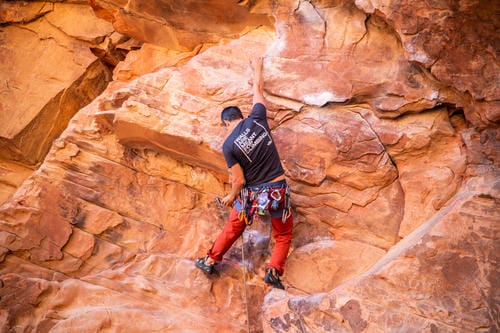
Wadi Rum is one of the world’s premier sandstone climbing destinations, offering routes for all skill levels in a remote desert environment. Solo travelers can safely access climbing through structured Bedouin guiding systems and small group expeditions. The region’s sandstone requires specific techniques, including careful hold testing and friction-based movement. The optimal climbing season runs from October to April, with mild temperatures and stable conditions.

Estimated Reading Time: 13–16 minutes┃Post by: Daniel Hargrove
Solo Climbing in a Desert Landscape
Wadi Rum stands apart from conventional climbing destinations due to its scale, isolation, and geological identity. Towering sandstone massifs rise abruptly from flat desert plains, creating a landscape where routes are not always obvious and navigation becomes part of the climbing process. Solo travelers encounter a paradox: extreme remoteness combined with a well-established guiding culture rooted in Bedouin tradition.
The appeal lies in autonomy without complete isolation. Unlike alpine regions that demand full logistical independence, Wadi Rum allows solo travelers to integrate into local guiding systems while maintaining flexible itineraries. This hybrid model enables access to multi-pitch routes, scrambling traverses, and technical ascents without the overhead of expedition-level planning.
Geological Foundations and Climbing Mechanics
The defining feature of Wadi Rum climbing is Nubian sandstone, a material shaped by wind erosion and sediment layering over millions of years. Its structural behavior differs significantly from granite or limestone, requiring adaptive movement strategies.

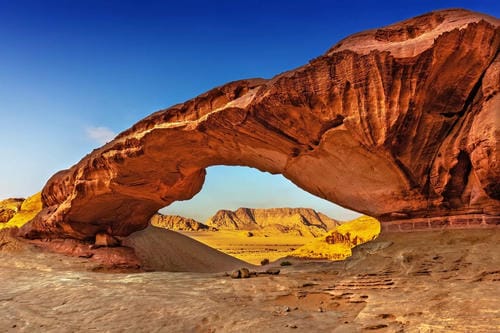
Rock quality varies according to coloration and mineral composition. Dark red and black sandstone tends to be the most stable, while lighter yellow and pink sections are often more fragile and prone to breakage . This variability forces climbers to continuously evaluate the surface before committing weight to holds.
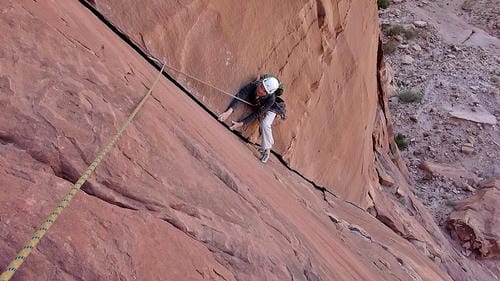
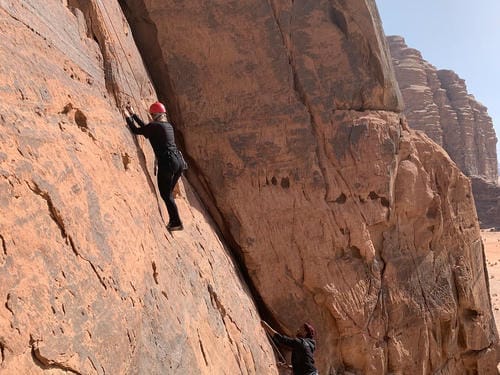
The terrain features include vertical cracks, slab faces, chimneys, and tafoni formations—honeycomb-like pockets created by erosion. These natural formations provide abundant handholds but also introduce unpredictability in depth and strength. Climbers rely heavily on friction techniques, distributing weight across multiple contact points to reduce stress on individual holds.
Unlike bolted sport climbing areas, many Wadi Rum routes follow natural weaknesses in the rock, requiring real-time decision-making. This aspect elevates cognitive demand, particularly for solo travelers who cannot rely on a partner for navigation cues.
Route Types and Difficulty Spectrum
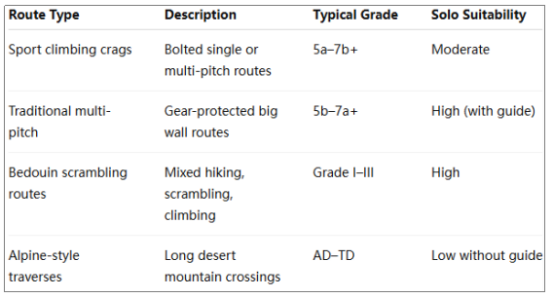
Wadi Rum offers a broad climbing portfolio suitable for different experience levels. Modern climbing in Wadi Rum expanded significantly in the 1980s with international exploration, blending traditional Bedouin movement routes with technical climbing ethics introduced by visiting alpinists.

Environmental Conditions and Seasonal Strategy
Temperature and weather patterns significantly influence climbing safety and performance. The desert climate introduces extreme variations that must be factored into planning.
The optimal climbing window spans October through April, when daytime temperatures typically range between 15°C and 25°C . During this period, friction conditions are ideal, and climbers can sustain longer efforts without excessive heat stress.
Summer conditions present a different risk profile. Temperatures frequently exceed 35°C and can surpass 40°C, increasing the likelihood of dehydration and heat exhaustion . Climbers operating in these months must restrict activity to early morning hours and avoid exposed routes during midday.
Rainfall introduces additional hazards. Sandstone weakens when saturated, and flash floods can occur in canyon systems. Guides typically suspend climbing immediately after rain events to mitigate these risks.

Logistics and Access for Solo Climbers
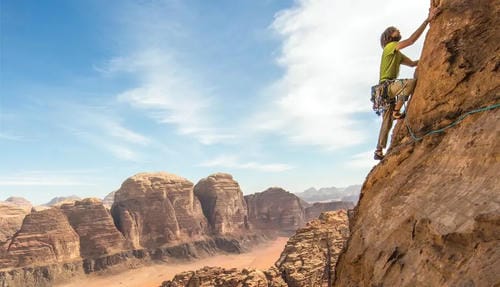
Access to Wadi Rum typically occurs via nearby urban centers such as Aqaba or Amman. From these نقاط, transportation into the protected desert area is arranged through camps or guiding services, often involving 4x4 vehicles.
Accommodation infrastructure supports solo travelers effectively. Options include Bedouin camps, eco-lodges, and minimalist desert bivouacs. Many camps offer integrated climbing packages, combining lodging, meals, and guided routes.
The logistical simplicity of these arrangements reduces barriers for solo travelers, allowing them to focus on climbing rather than expedition planning.
A Measured Approach to Adventure
Wadi Rum offers a unique intersection of technical climbing, cultural immersion, and environmental challenge. For solo travelers, it provides a structured yet flexible framework that enables safe exploration without sacrificing independence.

The key to a successful experience lies in preparation and respect for the environment. Understanding sandstone behavior, selecting appropriate routes, and integrating local expertise are essential components of risk management.
Climbers who approach Wadi Rum with discipline and adaptability will find a destination that extends beyond conventional climbing experiences, delivering both technical satisfaction and profound environmental engagement.
Recommended Climbing Zones for Solo Travelers
Jebel Rum Massif
● Highest concentration of classic multi-pitch routes
● Mixed terrain: slabs, chimneys, vertical faces
● Requires route planning and navigation skill
Barrah Canyon
● Long approach canyon system
● Popular for iconic desert lines and multi-pitch climbs
● Often accessed via 4x4 drop-off points

Um Ishrin Area
● Moderate technical routes
● Good introduction terrain for guided solo climbers
● Balanced mix of scrambling and climbing sections
Practical Packing Checklist for Solo Climbers
● Climbing harness and helmet
● Dynamic rope (if self-supported climbing is planned)
● Lightweight approach shoes
● High-SPF sunscreen and UV protection
● 3–5 liters of water per climbing day
● Emergency satellite communication device (recommended)
● Layered clothing for temperature shifts
(This article is for informational purposes only. Rock climbing involves inherent risks, including injury or death. Conditions in desert environments such as Wadi Rum can change rapidly. Readers are advised to seek professional guidance and ensure proper training before attempting any climbing activities.)
Updated April 23, 2026
FAQs
1. Can solo travelers climb in Wadi Rum without a guide?
Yes, but it is not recommended unless you have advanced experience in trad climbing and desert navigation due to route complexity and safety risks.
2. What makes sandstone climbing different from other rock types?
Sandstone requires careful hold testing, friction-based techniques, and adaptive protection placement due to its variable strength.
3. How physically demanding is climbing in Wadi Rum?
Routes can range from moderate to highly demanding, with long multi-pitch climbs requiring endurance, route-finding skills, and heat management.
About Author
Daniel Hargrove is an adventure travel writer and certified climbing instructor specializing in desert and alpine environments. With over 12 years of experience documenting climbing destinations across the Middle East and North Africa, his work focuses on the intersection of technical climbing and cultural landscapes.
References
[1] Climbing Rum. (2025). Understanding Wadi Rum sandstone.
[2] Wadi Rum Trail. (2024). Climbing in Wadi Rum.
Explore more destination-focused climbing guides and solo travel strategies across our blog to plan your next high-impact adventure!
=======April 17, 2026
Wadi Rum is one of the world’s premier sandstone climbing destinations, offering routes for all skill levels in a remote desert environment. Solo travelers can safely access climbing through structured Bedouin guiding systems and small group expeditions. The region’s sandstone requires specific techniques, including careful hold testing and friction-based movement. The optimal climbing season runs from October to April, with mild temperatures and stable conditions.
Estimated Reading Time: 13–16 minutes┃Post by: Daniel Hargrove
Solo Climbing in a Desert Landscape
Wadi Rum stands apart from conventional climbing destinations due to its scale, isolation, and geological identity. Towering sandstone massifs rise abruptly from flat desert plains, creating a landscape where routes are not always obvious and navigation becomes part of the climbing process. Solo travelers encounter a paradox: extreme remoteness combined with a well-established guiding culture rooted in Bedouin tradition.
The appeal lies in autonomy without complete isolation. Unlike alpine regions that demand full logistical independence, Wadi Rum allows solo travelers to integrate into local guiding systems while maintaining flexible itineraries. This hybrid model enables access to multi-pitch routes, scrambling traverses, and technical ascents without the overhead of expedition-level planning.
Geological Foundations and Climbing Mechanics
The defining feature of Wadi Rum climbing is Nubian sandstone, a material shaped by wind erosion and sediment layering over millions of years. Its structural behavior differs significantly from granite or limestone, requiring adaptive movement strategies.
Rock quality varies according to coloration and mineral composition. Dark red and black sandstone tends to be the most stable, while lighter yellow and pink sections are often more fragile and prone to breakage . This variability forces climbers to continuously evaluate the surface before committing weight to holds.
The terrain features include vertical cracks, slab faces, chimneys, and tafoni formations—honeycomb-like pockets created by erosion. These natural formations provide abundant handholds but also introduce unpredictability in depth and strength. Climbers rely heavily on friction techniques, distributing weight across multiple contact points to reduce stress on individual holds.
Unlike bolted sport climbing areas, many Wadi Rum routes follow natural weaknesses in the rock, requiring real-time decision-making. This aspect elevates cognitive demand, particularly for solo travelers who cannot rely on a partner for navigation cues.
Route Types and Difficulty Spectrum
Wadi Rum offers a broad climbing portfolio suitable for different experience levels. Modern climbing in Wadi Rum expanded significantly in the 1980s with international exploration, blending traditional Bedouin movement routes with technical climbing ethics introduced by visiting alpinists.
Environmental Conditions and Seasonal Strategy
Temperature and weather patterns significantly influence climbing safety and performance. The desert climate introduces extreme variations that must be factored into planning.
The optimal climbing window spans October through April, when daytime temperatures typically range between 15°C and 25°C . During this period, friction conditions are ideal, and climbers can sustain longer efforts without excessive heat stress.
Summer conditions present a different risk profile. Temperatures frequently exceed 35°C and can surpass 40°C, increasing the likelihood of dehydration and heat exhaustion . Climbers operating in these months must restrict activity to early morning hours and avoid exposed routes during midday.
Rainfall introduces additional hazards. Sandstone weakens when saturated, and flash floods can occur in canyon systems. Guides typically suspend climbing immediately after rain events to mitigate these risks.
Logistics and Access for Solo Climbers
Access to Wadi Rum typically occurs via nearby urban centers such as Aqaba or Amman. From these نقاط, transportation into the protected desert area is arranged through camps or guiding services, often involving 4x4 vehicles.
Accommodation infrastructure supports solo travelers effectively. Options include Bedouin camps, eco-lodges, and minimalist desert bivouacs. Many camps offer integrated climbing packages, combining lodging, meals, and guided routes.
The logistical simplicity of these arrangements reduces barriers for solo travelers, allowing them to focus on climbing rather than expedition planning.
A Measured Approach to Adventure
Wadi Rum offers a unique intersection of technical climbing, cultural immersion, and environmental challenge. For solo travelers, it provides a structured yet flexible framework that enables safe exploration without sacrificing independence.
The key to a successful experience lies in preparation and respect for the environment. Understanding sandstone behavior, selecting appropriate routes, and integrating local expertise are essential components of risk management.
Climbers who approach Wadi Rum with discipline and adaptability will find a destination that extends beyond conventional climbing experiences, delivering both technical satisfaction and profound environmental engagement.
Recommended Climbing Zones for Solo Travelers
Jebel Rum Massif
● Highest concentration of classic multi-pitch routes
● Mixed terrain: slabs, chimneys, vertical faces
● Requires route planning and navigation skill
Barrah Canyon
● Long approach canyon system
● Popular for iconic desert lines and multi-pitch climbs
● Often accessed via 4x4 drop-off points
Um Ishrin Area
● Moderate technical routes
● Good introduction terrain for guided solo climbers
● Balanced mix of scrambling and climbing sections
Practical Packing Checklist for Solo Climbers
● Climbing harness and helmet
● Dynamic rope (if self-supported climbing is planned)
● Lightweight approach shoes
● High-SPF sunscreen and UV protection
● 3–5 liters of water per climbing day
● Emergency satellite communication device (recommended)
● Layered clothing for temperature shifts
(This article is for informational purposes only. Rock climbing involves inherent risks, including injury or death. Conditions in desert environments such as Wadi Rum can change rapidly. Readers are advised to seek professional guidance and ensure proper training before attempting any climbing activities.)
Updated April 23, 2026
FAQs
1. Can solo travelers climb in Wadi Rum without a guide?
Yes, but it is not recommended unless you have advanced experience in trad climbing and desert navigation due to route complexity and safety risks.
2. What makes sandstone climbing different from other rock types?
Sandstone requires careful hold testing, friction-based techniques, and adaptive protection placement due to its variable strength.
3. How physically demanding is climbing in Wadi Rum?
Routes can range from moderate to highly demanding, with long multi-pitch climbs requiring endurance, route-finding skills, and heat management.
About Author
Daniel Hargrove is an adventure travel writer and certified climbing instructor specializing in desert and alpine environments. With over 12 years of experience documenting climbing destinations across the Middle East and North Africa, his work focuses on the intersection of technical climbing and cultural landscapes.
References
[1] Climbing Rum. (2025). Understanding Wadi Rum sandstone.
[2] Wadi Rum Trail. (2024). Climbing in Wadi Rum.
Explore more destination-focused climbing guides and solo travel strategies across our blog to plan your next high-impact adventure!
>>>>>>> 944e541ebad74151114cbae6b7f1c9ca1f8a9f02