Secret Alpine Trails in Switzerland Only Locals Know
<<<<<<< HEADApril 24, 2026
Switzerland’s hidden alpine trails offer quiet, authentic hikes with stunning views and wildlife, often less crowded than popular spots. Routes in Valais or Creux du Van showcase dramatic landscapes and seasonal flexibility but require careful preparation due to limited facilities. Off-the-beaten-path hiking provides a more immersive and sustainable way to experience Switzerland’s mountains.

Estimated Reading Time: 12 minutes ┃Post by: Lena Hartmann
Switzerland is globally celebrated for its iconic alpine scenery—towering peaks, emerald valleys, and crystal-clear lakes. While destinations such as Zermatt, Jungfraujoch, and Interlaken draw thousands of tourists every year, Switzerland’s true hiking treasures remain tucked away on trails frequented only by locals.
Why Choose Secret Alpine Trails?
The allure of Switzerland is often overshadowed by crowded viewpoints and overbooked lodges. Opting for lesser-known trails offers several advantages:
● Peaceful Hiking: Experience trails free from crowds, perfect for introspection or photography.
● Authenticity: Encounter local wildlife and traditional mountain settlements untouched by mass tourism.
● Safety: Avoid congested paths, particularly important during peak hiking seasons.
● Unique Landscapes: Access hidden valleys, alpine meadows, and waterfalls that mainstream maps often omit.
● Year-Round Access: Many secret trails remain accessible even in early spring and late autumn when popular routes are closed.
According to Switzerland Tourism (2025), while major alpine paths attract over 1.5 million visitors annually, lesser-known trails in regions like Valais and Graubünden see only a fraction of that traffic, providing a more immersive experience.
Hidden Gems in the Swiss Alps
1. The Lauchernalp–Fieschertal Circuit, Valais
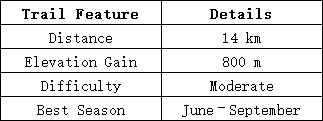
Located in the Rhône Valley, this trail offers sweeping views of the Aletsch Glacier. At 14 kilometers in length, the moderately challenging path takes approximately 5–6 hours to complete. Local hikers favor this route for its unspoiled alpine flora and panoramic glacier vistas, rarely crowded even in July and August.

The trail passes small alpine hamlets where locals produce cheese and honey, offering a chance to sample authentic Valais delicacies.
2. Sertig Valley Loop, Davos, Graubünden
Sertig Valley, often overlooked in favor of Davos’ ski resorts, provides a serene trekking experience. Its dense pine forests and cascading streams create a sense of solitude. Hikers can start at the Sertig Dörfli village, circle the valley, and return via quiet forested paths in a 6-hour loop.
Real-time data from local hiking clubs indicates that Sertig Valley trails see less than 30% of the visitor traffic compared to nearby Parsenn routes during peak season.

3. Creux du Van and Val de Travers, Neuchâtel
This trail showcases a dramatic natural amphitheater, the Creux du Van, formed over millennia through erosion. It is ideal for hikers seeking geological wonders alongside wildlife such as ibex and marmots. The 12-kilometer loop combines cliffs, lush valleys, and waterfalls, often providing hikers with hours of solitary exploration.
Practical Tips for Navigating Secret Trails
Optimal times to hike these hidden paths are typically between late June and early September, when the snow has retreated but the summer heat remains moderate. Outside this window, certain high-altitude trails may require mountaineering skills due to snow coverage or exposed terrain. Autumn offers a different appeal: vibrant foliage and empty trails, though daylight hours are shorter and weather can change rapidly. Real-time trail conditions are often shared on local alpine forums and official Swiss hiking websites, providing up-to-date guidance for hikers.

Preparation is critical when venturing onto trails not widely traversed. Adequate equipment, including proper footwear, weather-appropriate clothing, and GPS devices, is essential. Mobile network coverage can be limited in remote areas, making offline maps a practical necessity. For sustenance, lightweight, high-calorie food is recommended as local shops may not be available along the route. Knowledge of trail etiquette, including respect for wildlife and leaving no trace, ensures both safety and environmental preservation.
Environmental Responsibility
Hiking off-the-beaten-path carries a responsibility to protect fragile ecosystems. Swiss authorities emphasize maintaining trails, avoiding littering, and respecting flora and fauna. Alpine meadows and endemic species, such as the Edelweiss, require minimal human disturbance. Participating in local conservation initiatives, even casually, enhances the sustainability of these hidden trail experiences.
Safety Considerations
Remote trails increase the risk of accidents. Hikers should inform local authorities or accommodation hosts about planned routes. Knowledge of basic first aid, weather assessment, and emergency procedures is essential. Avalanche risk maps and local advisories are especially relevant in spring and late autumn when snow may persist. GPS coordinates and emergency shelters along the trail should be noted before departure.
Connecting With Local Guides
Local guides offer an invaluable advantage for exploring hidden Alpine trails. They provide historical context, practical knowledge of terrain, and insight into local flora and fauna. Hiring guides also supports local economies and ensures that sensitive areas are visited responsibly. In addition, guided tours often include access to areas restricted to unaccompanied hikers, further expanding the scope of hidden trail exploration.

Some secret trails are accessible throughout the year. Valais routes remain walkable in winter months with snowshoes, while Graubünden paths allow early spring hiking due to lower snow accumulation. Engaging with local guides can reveal even more off-the-beaten-path options suitable for the season.
(The routes described are intended for experienced hikers who are comfortable with moderate elevation gains and variable trail conditions. Always exercise caution and adhere to local safety guidelines.)
FQAs
Q1: Are these trails suitable for beginners?
A: Some segments are beginner-friendly, but several require moderate fitness due to elevation changes and uneven terrain.
Q2: Is guided assistance necessary?
A: While local guides are not mandatory, they enhance safety and provide insider knowledge of trail variations and hidden sights.
Q3: How can I find accommodations near these trails?
A: Many small villages along these routes offer family-run lodges. Booking in advance is recommended, especially during peak season.
About Author
Lena Hartmann is a Zurich-based alpine travel writer and certified hiking guide with over 15 years of experience exploring Switzerland’s lesser-known mountain regions. She specializes in identifying low-traffic trails in cantons such as Valais and Graubünden, combining route accuracy with environmental awareness.
Trained under professional alpine guiding standards similar to those upheld by Swiss mountain leaders, her work focuses on sustainable hiking, seasonal trail analysis, and authentic local experiences.
Her background includes collaboration with regional tourism boards on trail development and visitor flow management, giving her writing a practical, data-informed perspective. She regularly conducts field expeditions across the Swiss Alps and contributes to outdoor publications focused on responsible travel.
Contact: [email protected]
References
[1] Switzerland Tourism. (2025). Visitor statistics for Swiss hiking trails.
[2] Swisstopo. (2025). Topographic maps and trail guides.
Continue exploring this blog for more insider guides on undiscovered destinations and authentic local experiences throughout Europe.
=======
April 24, 2026
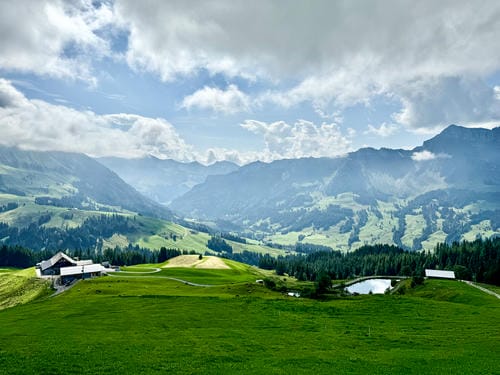
Switzerland’s hidden alpine trails offer quiet, authentic hikes with stunning views and wildlife, often less crowded than popular spots. Routes in Valais or Creux du Van showcase dramatic landscapes and seasonal flexibility but require careful preparation due to limited facilities. Off-the-beaten-path hiking provides a more immersive and sustainable way to experience Switzerland’s mountains.
Estimated Reading Time: 12 minutes ┃Post by: Lena Hartmann
Switzerland is globally celebrated for its iconic alpine scenery—towering peaks, emerald valleys, and crystal-clear lakes. While destinations such as Zermatt, Jungfraujoch, and Interlaken draw thousands of tourists every year, Switzerland’s true hiking treasures remain tucked away on trails frequented only by locals.
Why Choose Secret Alpine Trails?
The allure of Switzerland is often overshadowed by crowded viewpoints and overbooked lodges. Opting for lesser-known trails offers several advantages:
● Peaceful Hiking: Experience trails free from crowds, perfect for introspection or photography.
● Authenticity: Encounter local wildlife and traditional mountain settlements untouched by mass tourism.
● Safety: Avoid congested paths, particularly important during peak hiking seasons.
● Unique Landscapes: Access hidden valleys, alpine meadows, and waterfalls that mainstream maps often omit.
● Year-Round Access: Many secret trails remain accessible even in early spring and late autumn when popular routes are closed.
According to Switzerland Tourism (2025), while major alpine paths attract over 1.5 million visitors annually, lesser-known trails in regions like Valais and Graubünden see only a fraction of that traffic, providing a more immersive experience.
Hidden Gems in the Swiss Alps
1. The Lauchernalp–Fieschertal Circuit, Valais
Located in the Rhône Valley, this trail offers sweeping views of the Aletsch Glacier. At 14 kilometers in length, the moderately challenging path takes approximately 5–6 hours to complete. Local hikers favor this route for its unspoiled alpine flora and panoramic glacier vistas, rarely crowded even in July and August.
The trail passes small alpine hamlets where locals produce cheese and honey, offering a chance to sample authentic Valais delicacies.
2. Sertig Valley Loop, Davos, Graubünden
Sertig Valley, often overlooked in favor of Davos’ ski resorts, provides a serene trekking experience. Its dense pine forests and cascading streams create a sense of solitude. Hikers can start at the Sertig Dörfli village, circle the valley, and return via quiet forested paths in a 6-hour loop.
Real-time data from local hiking clubs indicates that Sertig Valley trails see less than 30% of the visitor traffic compared to nearby Parsenn routes during peak season.
3. Creux du Van and Val de Travers, Neuchâtel
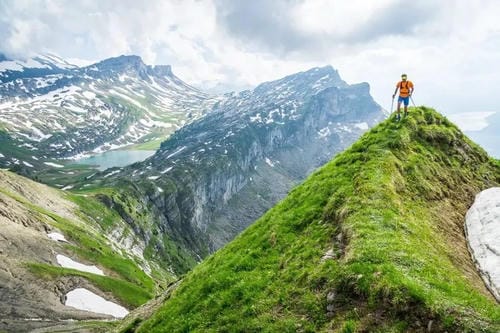
This trail showcases a dramatic natural amphitheater, the Creux du Van, formed over millennia through erosion. It is ideal for hikers seeking geological wonders alongside wildlife such as ibex and marmots. The 12-kilometer loop combines cliffs, lush valleys, and waterfalls, often providing hikers with hours of solitary exploration.
Practical Tips for Navigating Secret Trails
Optimal times to hike these hidden paths are typically between late June and early September, when the snow has retreated but the summer heat remains moderate. Outside this window, certain high-altitude trails may require mountaineering skills due to snow coverage or exposed terrain. Autumn offers a different appeal: vibrant foliage and empty trails, though daylight hours are shorter and weather can change rapidly. Real-time trail conditions are often shared on local alpine forums and official Swiss hiking websites, providing up-to-date guidance for hikers.
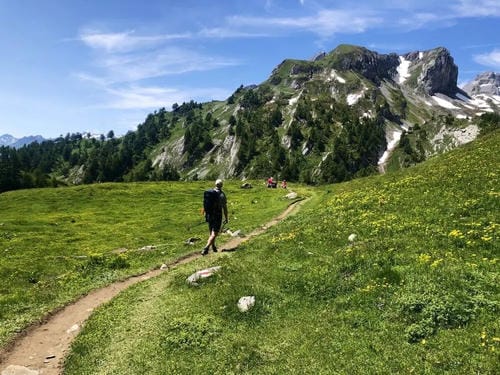
Preparation is critical when venturing onto trails not widely traversed. Adequate equipment, including proper footwear, weather-appropriate clothing, and GPS devices, is essential. Mobile network coverage can be limited in remote areas, making offline maps a practical necessity. For sustenance, lightweight, high-calorie food is recommended as local shops may not be available along the route. Knowledge of trail etiquette, including respect for wildlife and leaving no trace, ensures both safety and environmental preservation.
Environmental Responsibility
Hiking off-the-beaten-path carries a responsibility to protect fragile ecosystems. Swiss authorities emphasize maintaining trails, avoiding littering, and respecting flora and fauna. Alpine meadows and endemic species, such as the Edelweiss, require minimal human disturbance. Participating in local conservation initiatives, even casually, enhances the sustainability of these hidden trail experiences.
Safety Considerations
Remote trails increase the risk of accidents. Hikers should inform local authorities or accommodation hosts about planned routes. Knowledge of basic first aid, weather assessment, and emergency procedures is essential. Avalanche risk maps and local advisories are especially relevant in spring and late autumn when snow may persist. GPS coordinates and emergency shelters along the trail should be noted before departure.
Connecting With Local Guides
Local guides offer an invaluable advantage for exploring hidden Alpine trails. They provide historical context, practical knowledge of terrain, and insight into local flora and fauna. Hiring guides also supports local economies and ensures that sensitive areas are visited responsibly. In addition, guided tours often include access to areas restricted to unaccompanied hikers, further expanding the scope of hidden trail exploration.
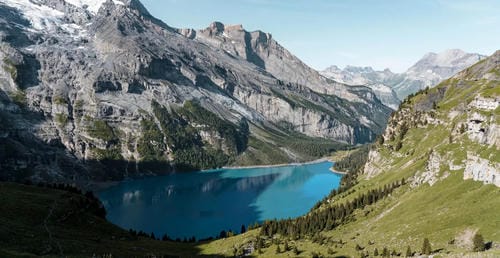
Some secret trails are accessible throughout the year. Valais routes remain walkable in winter months with snowshoes, while Graubünden paths allow early spring hiking due to lower snow accumulation. Engaging with local guides can reveal even more off-the-beaten-path options suitable for the season.
(The routes described are intended for experienced hikers who are comfortable with moderate elevation gains and variable trail conditions. Always exercise caution and adhere to local safety guidelines.)
FQAs
Q1: Are these trails suitable for beginners?
A: Some segments are beginner-friendly, but several require moderate fitness due to elevation changes and uneven terrain.
Q2: Is guided assistance necessary?
A: While local guides are not mandatory, they enhance safety and provide insider knowledge of trail variations and hidden sights.
Q3: How can I find accommodations near these trails?
A: Many small villages along these routes offer family-run lodges. Booking in advance is recommended, especially during peak season.
About Author
Lena Hartmann is a Zurich-based alpine travel writer and certified hiking guide with over 15 years of experience exploring Switzerland’s lesser-known mountain regions. She specializes in identifying low-traffic trails in cantons such as Valais and Graubünden, combining route accuracy with environmental awareness.
Trained under professional alpine guiding standards similar to those upheld by Swiss mountain leaders, her work focuses on sustainable hiking, seasonal trail analysis, and authentic local experiences.
Her background includes collaboration with regional tourism boards on trail development and visitor flow management, giving her writing a practical, data-informed perspective. She regularly conducts field expeditions across the Swiss Alps and contributes to outdoor publications focused on responsible travel.
Contact: [email protected]
References
[1] Switzerland Tourism. (2025). Visitor statistics for Swiss hiking trails.
[2] Swisstopo. (2025). Topographic maps and trail guides.
Continue exploring this blog for more insider guides on undiscovered destinations and authentic local experiences throughout Europe.
>>>>>>> 944e541ebad74151114cbae6b7f1c9ca1f8a9f02
Recommended for you: