Affordable Diving Destinations for First-Time Scuba Enthusiasts
<<<<<<< HEADApril 22, 2026
Scuba diving is affordable for beginners at destinations like Thailand’s Koh Tao, the Philippines’ Cebu and Palawan, Indonesia’s Bali and Gili Islands, Belize, Mexico’s Cozumel, Roatán, and Mediterranean spots such as Malta, Croatia, and Greece, with certifications $250–$500 and daily dives $30–$80. Novices should choose certified instructors, secure insurance, and consider off-season or package deals to enjoy reefs, wrecks, and marine life safely and cost-effectively.

Estimated Reading Time: 11 minutes┃Post by: Marina Vale
Scuba diving offers a unique perspective of the world beneath the waves, yet beginners often assume it comes with a steep price tag. Fortunately, several global destinations combine affordability, accessibility, and vibrant underwater ecosystems, providing first-time divers with safe and memorable experiences. This guide evaluates cost-effective options for entry-level divers, including travel, certification, and dive session expenses, highlighting locations where novices can explore coral reefs, marine life, and wrecks without overspending.
Southeast Asia: Thailand, Philippines, and Indonesia
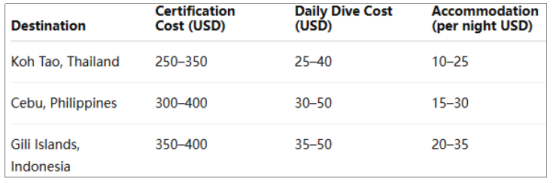
Thailand, the Philippines, and Indonesia represent some of the most accessible and budget-friendly destinations for novice divers. Koh Tao in Thailand is renowned for affordable open water certifications, typically ranging from $250 to $350 for a complete PADI course, including five days of instruction and practical dives. The island also provides numerous budget accommodations from $10–$25 per night, making it feasible for extended stays.

In the Philippines, Cebu and Palawan offer clear waters, abundant marine biodiversity, and beginner-friendly dive sites such as Mactan Island and Coron Bay. Entry-level certification courses here range from $300 to $400, and daily dive trips average $30–$50, depending on equipment rental and site selection. Local dive centers often include night dives and guided sessions, enhancing the value for newcomers.
Indonesia, particularly Bali and the Gili Islands, merges affordability with world-class diving. Bali’s Tulamben features shallow wreck dives suitable for first-timers, while Gili Trawangan hosts numerous dive schools offering PADI Open Water certification for $350–$400. Daily dive excursions with equipment typically cost $35–$50. Combined with low-cost guesthouses and local dining, Southeast Asia remains a leading region for budget-conscious divers.

Central America and the Caribbean: Belize, Mexico, and Roatán
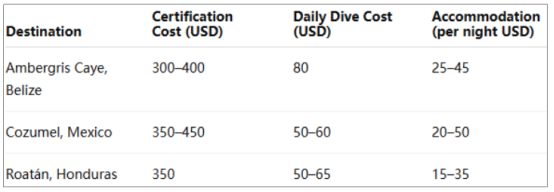
Belize, Mexico’s Yucatán Peninsula, and Honduras’ Roatán offer clear waters, coral reefs, and reliable infrastructure for beginners. Belize’s Ambergris Caye provides affordable entry-level dive courses averaging $300–$400, with daily two-tank dives costing approximately $80. The barrier reef system ensures safe, shallow dives with an abundance of fish, turtles, and reef formations.

In Mexico, Cozumel is a first-time diver’s paradise. Open water certification courses range from $350–$450, with guided reef dives costing $50–$60. Its proximity to Playa del Carmen allows for inexpensive lodging options ($20–$50 per night) and convenient access to multiple dive sites, maximizing immersion experiences for budget travelers.
Roatán, Honduras, combines tropical charm and affordability. Entry-level certifications average $350, with daily two-dive packages around $50–$65. Roatán’s shallow reefs and minimal currents make it ideal for novices, while local guesthouses and hostels provide accommodations for as little as $15 per night.

Mediterranean and Europe: Malta, Croatia, and Greece
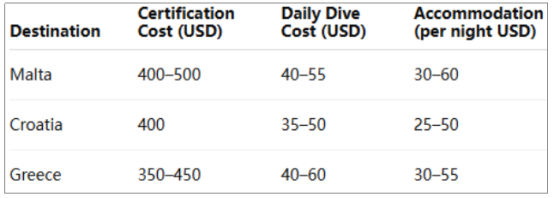
The Mediterranean provides cost-effective diving opportunities without long-haul travel. Malta is renowned for beginner-friendly wreck and reef dives. Certification courses are available for $400–$500, with daily dive packages from $40–$55. Accommodation costs range from $30–$60 per night, depending on seasonality.
Croatia’s Dalmatian Coast presents affordable diving around islands like Hvar and Vis. Open water certifications cost approximately $400, while guided dives average $35–$50. The Adriatic Sea’s calm conditions and clear visibility are particularly suitable for novices.
Greece offers numerous entry-level diving options on islands such as Crete and Rhodes. Certification courses typically range from $350–$450, with daily dive excursions around $40–$60. Seasonal packages often include multiple dives and equipment rental, enhancing value for first-time divers.

Safety Considerations and Budgeting Tips
First-time divers should prioritize reputable dive schools with certified instructors (PADI, SSI, or NAUI). Insurance covering scuba activities is strongly recommended, with average costs for a short-term policy around $20–$40 for a week. Equipment rental fees vary, though many dive centers offer package deals with certification courses. Seasonal fluctuations in rates should be considered; booking during shoulder seasons often yields significant savings. Additionally, combining travel and accommodation packages with local dining can further reduce overall expenses without compromising safety or experience quality.
(The information presented reflects general market trends and published rates at the time of writing. Prices and availability are subject to change, and readers should verify current conditions before planning travel.)
FAQs
1. Is scuba diving safe for beginners in these destinations?
Yes. All recommended destinations feature dive sites suitable for novices, with calm waters, minimal currents, and certified instructors available.
2. Can I bring my own equipment to save money?
Yes. Owning personal masks, snorkels, and fins can reduce rental costs, though first-time divers may find it easier to use provided gear until comfortable with proper fit and usage.
3. Are there age restrictions for first-time divers?
Most certification agencies require a minimum age of 10–12 for junior courses, with adult programs accessible from 15–16 years old. Always confirm with your chosen dive center.
About Author
Marina Vale is a travel and adventure writer with over a decade of experience exploring underwater ecosystems across six continents. She specializes in guiding first-time divers and budget travelers to safe and immersive aquatic experiences.
References
[1] PADI. (2026). Open Water Diver Course Pricing and Locations.
[2] SSI. (2026). Beginner Scuba Diving Worldwide.
[3] TripAdvisor. (2026). Top Diving Destinations for Beginners.
Explore more travel tips, destination guides, and practical advice on our blog to plan your next adventure affordably and confidently.
=======
April 22, 2026
Scuba diving is affordable for beginners at destinations like Thailand’s Koh Tao, the Philippines’ Cebu and Palawan, Indonesia’s Bali and Gili Islands, Belize, Mexico’s Cozumel, Roatán, and Mediterranean spots such as Malta, Croatia, and Greece, with certifications $250–$500 and daily dives $30–$80. Novices should choose certified instructors, secure insurance, and consider off-season or package deals to enjoy reefs, wrecks, and marine life safely and cost-effectively.
Estimated Reading Time: 11 minutes┃Post by: Marina Vale
Scuba diving offers a unique perspective of the world beneath the waves, yet beginners often assume it comes with a steep price tag. Fortunately, several global destinations combine affordability, accessibility, and vibrant underwater ecosystems, providing first-time divers with safe and memorable experiences. This guide evaluates cost-effective options for entry-level divers, including travel, certification, and dive session expenses, highlighting locations where novices can explore coral reefs, marine life, and wrecks without overspending.
Southeast Asia: Thailand, Philippines, and Indonesia
Thailand, the Philippines, and Indonesia represent some of the most accessible and budget-friendly destinations for novice divers. Koh Tao in Thailand is renowned for affordable open water certifications, typically ranging from $250 to $350 for a complete PADI course, including five days of instruction and practical dives. The island also provides numerous budget accommodations from $10–$25 per night, making it feasible for extended stays.
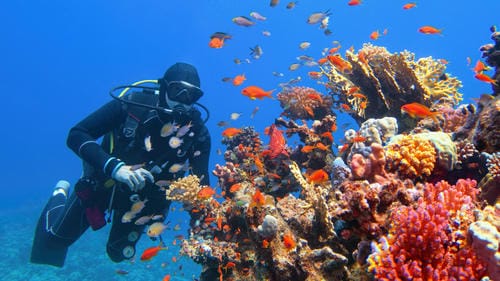
In the Philippines, Cebu and Palawan offer clear waters, abundant marine biodiversity, and beginner-friendly dive sites such as Mactan Island and Coron Bay. Entry-level certification courses here range from $300 to $400, and daily dive trips average $30–$50, depending on equipment rental and site selection. Local dive centers often include night dives and guided sessions, enhancing the value for newcomers.
Indonesia, particularly Bali and the Gili Islands, merges affordability with world-class diving. Bali’s Tulamben features shallow wreck dives suitable for first-timers, while Gili Trawangan hosts numerous dive schools offering PADI Open Water certification for $350–$400. Daily dive excursions with equipment typically cost $35–$50. Combined with low-cost guesthouses and local dining, Southeast Asia remains a leading region for budget-conscious divers.
Central America and the Caribbean: Belize, Mexico, and Roatán
Belize, Mexico’s Yucatán Peninsula, and Honduras’ Roatán offer clear waters, coral reefs, and reliable infrastructure for beginners. Belize’s Ambergris Caye provides affordable entry-level dive courses averaging $300–$400, with daily two-tank dives costing approximately $80. The barrier reef system ensures safe, shallow dives with an abundance of fish, turtles, and reef formations.
In Mexico, Cozumel is a first-time diver’s paradise. Open water certification courses range from $350–$450, with guided reef dives costing $50–$60. Its proximity to Playa del Carmen allows for inexpensive lodging options ($20–$50 per night) and convenient access to multiple dive sites, maximizing immersion experiences for budget travelers.
Roatán, Honduras, combines tropical charm and affordability. Entry-level certifications average $350, with daily two-dive packages around $50–$65. Roatán’s shallow reefs and minimal currents make it ideal for novices, while local guesthouses and hostels provide accommodations for as little as $15 per night.
Mediterranean and Europe: Malta, Croatia, and Greece
The Mediterranean provides cost-effective diving opportunities without long-haul travel. Malta is renowned for beginner-friendly wreck and reef dives. Certification courses are available for $400–$500, with daily dive packages from $40–$55. Accommodation costs range from $30–$60 per night, depending on seasonality.
Croatia’s Dalmatian Coast presents affordable diving around islands like Hvar and Vis. Open water certifications cost approximately $400, while guided dives average $35–$50. The Adriatic Sea’s calm conditions and clear visibility are particularly suitable for novices.
Greece offers numerous entry-level diving options on islands such as Crete and Rhodes. Certification courses typically range from $350–$450, with daily dive excursions around $40–$60. Seasonal packages often include multiple dives and equipment rental, enhancing value for first-time divers.
Safety Considerations and Budgeting Tips
First-time divers should prioritize reputable dive schools with certified instructors (PADI, SSI, or NAUI). Insurance covering scuba activities is strongly recommended, with average costs for a short-term policy around $20–$40 for a week. Equipment rental fees vary, though many dive centers offer package deals with certification courses. Seasonal fluctuations in rates should be considered; booking during shoulder seasons often yields significant savings. Additionally, combining travel and accommodation packages with local dining can further reduce overall expenses without compromising safety or experience quality.
(The information presented reflects general market trends and published rates at the time of writing. Prices and availability are subject to change, and readers should verify current conditions before planning travel.)
FAQs
1. Is scuba diving safe for beginners in these destinations?
Yes. All recommended destinations feature dive sites suitable for novices, with calm waters, minimal currents, and certified instructors available.
2. Can I bring my own equipment to save money?
Yes. Owning personal masks, snorkels, and fins can reduce rental costs, though first-time divers may find it easier to use provided gear until comfortable with proper fit and usage.
3. Are there age restrictions for first-time divers?
Most certification agencies require a minimum age of 10–12 for junior courses, with adult programs accessible from 15–16 years old. Always confirm with your chosen dive center.
About Author
Marina Vale is a travel and adventure writer with over a decade of experience exploring underwater ecosystems across six continents. She specializes in guiding first-time divers and budget travelers to safe and immersive aquatic experiences.
References
[1] PADI. (2026). Open Water Diver Course Pricing and Locations.
[2] SSI. (2026). Beginner Scuba Diving Worldwide.
[3] TripAdvisor. (2026). Top Diving Destinations for Beginners.
Explore more travel tips, destination guides, and practical advice on our blog to plan your next adventure affordably and confidently.
>>>>>>> 944e541ebad74151114cbae6b7f1c9ca1f8a9f02