Volunteering Abroad: What You Should Know Before You Go
<<<<<<< HEADApril 8, 2026
Key Takeaways:
● Volunteering abroad can provide life-changing experiences.
● Careful research is essential to choose credible programs.
● Understanding local culture and ethical considerations is critical.
● Proper budgeting and health precautions ensure a safer experience.
● Preparation and relevant skills maximize the impact on host communities.

Estimated Reading Time: 12 minutes┃Post by: Harper Ellis
Volunteering abroad is an increasingly popular way to combine travel with purpose. Programs range from teaching and healthcare support to environmental conservation. While the experience can be life-changing, it requires strategic planning and critical consideration of ethical, logistical, and personal factors.
Understanding the Scope of Volunteering Programs
Volunteering programs vary significantly by location, focus, and organizational structure. Educational projects often involve teaching languages, literacy, or specialized skills. Medical and healthcare support programs assist clinics, hospitals, or public health initiatives. Environmental conservation efforts include reforestation, wildlife protection, and sustainable farming projects. Community development initiatives focus on building infrastructure, supporting local businesses, or providing disaster relief. Verifying the legitimacy of a program is essential. According to a 2023 report by the International Volunteer Organization (IVO), approximately 35% of volunteer programs lacked clear objectives or failed to benefit local communities sustainably.
Costs and Financial Considerations
Volunteering abroad can involve both direct and indirect costs:

Budgeting realistically prevents financial stress, ensuring a focus on meaningful engagement rather than logistical worries.
Cultural and Ethical Awareness
Volunteers should prioritize the needs and autonomy of host communities. Understanding cultural sensitivity is key, including learning local customs, basic language skills, and social norms. Avoiding “voluntourism” pitfalls is critical; programs should empower communities rather than creating dependency or displacing local workers. Ethical impact assessment is essential to ensure that volunteer skills match project needs. A mismatch can inadvertently cause harm. Recent studies suggest that short-term volunteering can sometimes undermine local economies if projects are not properly managed, emphasizing the importance of research and community consultation.
Safety and Health Precautions
Safety is a critical concern for volunteers abroad. Comprehensive health insurance, including coverage for medical evacuation, is highly recommended. Vaccinations depend on the destination and local health requirements. Volunteers should be aware of local security risks, transportation conditions, and emergency contacts.

Compliance with legal regulations such as visa requirements, work permits, and local laws is necessary. According to the Global Volunteer Safety Review (2022), accidents and health issues are reported in 12% of volunteers abroad annually, with the majority preventable through proper preparation.
Skills and Preparation
Effective volunteers combine technical skills with interpersonal abilities. Language skills, even at a basic level, facilitate communication and build trust. Relevant experience in healthcare, teaching, or environmental management significantly enhances volunteer impact. Flexibility is essential for adapting to diverse cultural, climatic, and logistical conditions. Emotional readiness is also important, as volunteering can be emotionally demanding. Pre-departure training offered by many organizations improves readiness and outcomes for both volunteers and host communities.

Measuring Impact and Outcomes
Evaluating both personal and community impact ensures accountability. Project goals should be specific, measurable, achievable, relevant, and time-bound (SMART). Community feedback should be actively sought and integrated into planning and evaluation. Sustainability is critical, as projects should provide long-term benefits rather than temporary fixes. Impact assessments indicate that programs with structured feedback loops achieve 40% greater success in community satisfaction and volunteer skill development (International Volunteer Impact Study, 2021).
Updated April 15, 2026
FQAs
1. Can anyone volunteer abroad, or are there restrictions?
Eligibility often depends on age, health, skills, and sometimes citizenship. Certain projects may require professional qualifications or prior experience.
2. How long should I commit to a volunteering program?
Programs typically range from 2 weeks to 12 months. Longer commitments generally result in more meaningful contributions and deeper cultural understanding.
3. Are there scholarships or financial aid for volunteering abroad?
Yes, several organizations provide grants or sponsorships, particularly for students and individuals working on humanitarian or educational projects.
About Author
Harper Ellis is a seasoned travel writer and international volunteer coordinator with over a decade of experience documenting sustainable travel programs. Her work focuses on the ethical integration of tourism and community development.
References
[1] International Volunteer Organization. (2023). Global volunteer program report.
[2] World Health Organization. (2022). Travel health recommendations.
[3] U.S. Department of State. (2023). Traveler safety guidelines.
Volunteering abroad can transform both the volunteer and the community—explore more insights and practical guides on this blog to plan your next meaningful journey.
=======
April 8, 2026
Key Takeaways:
● Volunteering abroad can provide life-changing experiences.
● Careful research is essential to choose credible programs.
● Understanding local culture and ethical considerations is critical.
● Proper budgeting and health precautions ensure a safer experience.
● Preparation and relevant skills maximize the impact on host communities.

Estimated Reading Time: 12 minutes┃Post by: Harper Ellis
Volunteering abroad is an increasingly popular way to combine travel with purpose. Programs range from teaching and healthcare support to environmental conservation. While the experience can be life-changing, it requires strategic planning and critical consideration of ethical, logistical, and personal factors.
Understanding the Scope of Volunteering Programs
Volunteering programs vary significantly by location, focus, and organizational structure. Educational projects often involve teaching languages, literacy, or specialized skills. Medical and healthcare support programs assist clinics, hospitals, or public health initiatives. Environmental conservation efforts include reforestation, wildlife protection, and sustainable farming projects. Community development initiatives focus on building infrastructure, supporting local businesses, or providing disaster relief. Verifying the legitimacy of a program is essential. According to a 2023 report by the International Volunteer Organization (IVO), approximately 35% of volunteer programs lacked clear objectives or failed to benefit local communities sustainably.
Costs and Financial Considerations
Volunteering abroad can involve both direct and indirect costs:
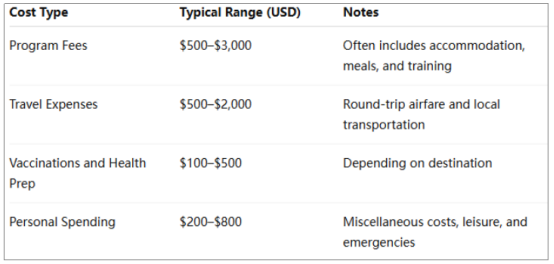
Budgeting realistically prevents financial stress, ensuring a focus on meaningful engagement rather than logistical worries.
Cultural and Ethical Awareness
Volunteers should prioritize the needs and autonomy of host communities. Understanding cultural sensitivity is key, including learning local customs, basic language skills, and social norms. Avoiding “voluntourism” pitfalls is critical; programs should empower communities rather than creating dependency or displacing local workers. Ethical impact assessment is essential to ensure that volunteer skills match project needs. A mismatch can inadvertently cause harm. Recent studies suggest that short-term volunteering can sometimes undermine local economies if projects are not properly managed, emphasizing the importance of research and community consultation.
Safety and Health Precautions
Safety is a critical concern for volunteers abroad. Comprehensive health insurance, including coverage for medical evacuation, is highly recommended. Vaccinations depend on the destination and local health requirements. Volunteers should be aware of local security risks, transportation conditions, and emergency contacts.
Compliance with legal regulations such as visa requirements, work permits, and local laws is necessary. According to the Global Volunteer Safety Review (2022), accidents and health issues are reported in 12% of volunteers abroad annually, with the majority preventable through proper preparation.
Skills and Preparation
Effective volunteers combine technical skills with interpersonal abilities. Language skills, even at a basic level, facilitate communication and build trust. Relevant experience in healthcare, teaching, or environmental management significantly enhances volunteer impact. Flexibility is essential for adapting to diverse cultural, climatic, and logistical conditions. Emotional readiness is also important, as volunteering can be emotionally demanding. Pre-departure training offered by many organizations improves readiness and outcomes for both volunteers and host communities.

Measuring Impact and Outcomes
Evaluating both personal and community impact ensures accountability. Project goals should be specific, measurable, achievable, relevant, and time-bound (SMART). Community feedback should be actively sought and integrated into planning and evaluation. Sustainability is critical, as projects should provide long-term benefits rather than temporary fixes. Impact assessments indicate that programs with structured feedback loops achieve 40% greater success in community satisfaction and volunteer skill development (International Volunteer Impact Study, 2021).
Updated April 15, 2026
FQAs
1. Can anyone volunteer abroad, or are there restrictions?
Eligibility often depends on age, health, skills, and sometimes citizenship. Certain projects may require professional qualifications or prior experience.
2. How long should I commit to a volunteering program?
Programs typically range from 2 weeks to 12 months. Longer commitments generally result in more meaningful contributions and deeper cultural understanding.
3. Are there scholarships or financial aid for volunteering abroad?
Yes, several organizations provide grants or sponsorships, particularly for students and individuals working on humanitarian or educational projects.
About Author
Harper Ellis is a seasoned travel writer and international volunteer coordinator with over a decade of experience documenting sustainable travel programs. Her work focuses on the ethical integration of tourism and community development.
References
[1] International Volunteer Organization. (2023). Global volunteer program report.
[2] World Health Organization. (2022). Travel health recommendations.
[3] U.S. Department of State. (2023). Traveler safety guidelines.
Volunteering abroad can transform both the volunteer and the community—explore more insights and practical guides on this blog to plan your next meaningful journey.
>>>>>>> 944e541ebad74151114cbae6b7f1c9ca1f8a9f02
Recommended for you: