Ice Climbing in Iceland: A Practical Guide to Safety, Terrain, and Responsible Adventure
<<<<<<< HEADApril 11, 2026
Ice climbing in Iceland is safest when done with certified guides, proper equipment, and a clear understanding of glacier dynamics; environmental conditions change rapidly, making preparation, timing, and professional supervision essential to minimizing risk.

Estimated Reading Time: 12–14 minutes ┃ Post by: Elias Thorne
I. Introduction to Ice Climbing in Iceland
Ice climbing in Iceland exists at the intersection of adventure tourism and technical mountaineering. Unlike indoor climbing or even traditional rock climbing, the medium itself is unstable, constantly shifting, and shaped by both climate and geology. Iceland’s glaciers are not static formations—they are dynamic systems moving under their own weight, fractured by crevasses, and influenced by volcanic heat beneath the surface.
Approximately 11% of Iceland’s landmass is covered by glaciers, including massive ice caps like Vatnajökull, which spans nearly 7,900 square kilometers and ranks as Europe’s largest by volume. This accessibility is part of what makes Iceland globally unique: within a few hours’ drive from Reykjavík, travelers can transition from urban infrastructure to technical glacial terrain.
The appeal lies in immersion. The ice itself displays vivid blue hues created by compressed airless layers, streaked with volcanic ash deposited over centuries. However, this same environment presents inherent hazards that demand respect, discipline, and structured risk mitigation.
II. Why Safety Matters More Than Skill
Ice climbing in Iceland is often marketed as beginner-friendly, and in many cases, that is accurate—but only within a controlled framework. The safety profile of the activity is not determined by the climber’s experience alone; it is governed primarily by environmental unpredictability.
Glaciers move continuously, creating hidden crevasses that may be concealed beneath thin snow bridges. These voids can extend hundreds of meters deep and are often invisible to untrained eyes. Weather conditions shift rapidly, altering ice stability, visibility, and surface traction within minutes.

Statistically, guided glacier tours in Iceland are extremely safe, with incident rates estimated at less than 0.001% of participants. (Source: https://skaftafellicecave.org/is-skaftafell-ice-cave-safe-safety-data.html) This low risk is not accidental—it is the result of strict adherence to protocols, constant environmental monitoring, and the presence of trained professionals. By contrast, independent or unguided glacier travel carries significantly higher risk, often due to misjudgment of terrain or inadequate equipment.
The implication is straightforward: safety is systemic rather than individual. Even experienced climbers rely on local expertise when navigating Icelandic glaciers, as conditions evolve daily and historical familiarity offers limited predictive value.
III. How to start the perfect ice climbing experience
3.1 Choosing the Right Guided Experience
Risk management in ice climbing is a procedural and ongoing process. It begins with route selection, where guides assess ice thickness, structural integrity, and hazards such as icefalls or avalanches. Therefore, following the guide's instructions is crucial.
Guides provide ongoing guidance, correcting climbing techniques and alerting climbers to dangers. Participants must strictly adhere to instructions, as delays or incorrect reactions can jeopardize safety.
Human factors also play a role. Fatigue, overconfidence, and unfamiliarity with equipment all increase risk. Guided tours mitigate these factors by limiting group size, controlling the pace of the activity, and close supervision.
Environmental monitoring is continuous throughout the climb. Guides observe changes in weather, ice conditions, and group dynamics, adjusting the plan as needed. This dynamic approach distinguishes professional climbing from informal or unsupervised attempts.
3.2 Where Ice Climbing Happens in Iceland?
Popular climbing locations include Sólheimajökull, known for its accessibility, and outlet glaciers of Vatnajökull, which offer more dramatic ice formations. These sites are chosen not only for their visual appeal but also for their relative stability and suitability for controlled climbing routes.
Sólheimajökull Glacier (South Iceland)
Sólheimajökull is the most popular introduction site for ice climbing. It is accessible from Reykjavík and features relatively stable ice formations suitable for first-time climbers. Guided tours often combine glacier hiking with short climbing sessions on vertical ice walls.
Skaftafell Nature Reserve (Vatnajökull National Park)
Skaftafell offers more varied terrain, including both beginner-friendly slopes and technically steeper ice faces. The area is part of the larger Vatnajökull system, Europe’s largest glacier.
Vatnajökull Glacier (Outlet Zones)
Vatnajökull provides advanced and semi-technical climbing routes. The scale and variability of the glacier allow guides to adjust difficulty depending on group experience.
3.3 Required Equipment and What Is Provided

A standard ice climbing tour includes all technical safety gear provided by the operator:
● Helmet
● Harness
● Ice axe
● Crampons
● Rope systems and belay setup
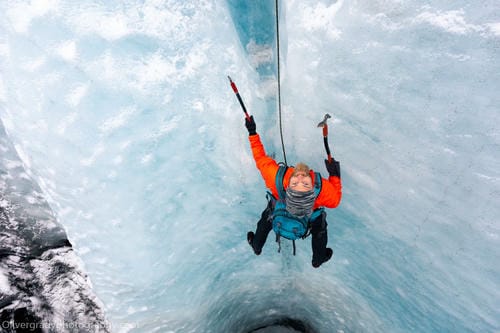
Ice climbing relies on a set of specialized tools designed to maximize grip, stability, and protection. These include crampons, which attach to boots and provide traction on ice; ice axes, used to anchor and pull upward; helmets, which protect against falling debris; and harnesses connected to rope systems.
During the climb, rope systems act as the primary safeguard. Top-rope setups ensure that climbers are supported from above, minimizing fall distance and impact. Anchors are placed in solid ice, and their reliability is tested before use.
Guides provide most technical equipment, but participants are responsible for personal clothing and physical readiness. Before the climb begins, guides typically conduct demonstrations on how to use each piece of equipment correctly, ensuring that even first-time climbers can operate within a safe margin.
Proper footwear is a foundational requirement. Waterproof boots with rigid soles are necessary to ensure compatibility with crampons and to maintain stability on uneven, slippery surfaces. Inadequate footwear compromises both safety and performance, increasing the likelihood of slips or equipment failure.
Layering strategy is equally important. Conditions on glaciers are often colder and windier than surrounding areas, and exposure to meltwater is common. Waterproof outer layers, insulating mid-layers, and moisture-wicking base layers form the standard configuration.
IV. Environmental Conditions and Timing
Winter (October–April)
● Harder, more stable ice structures
● Lower risk of surface melt instability
● Strong visual contrast in blue ice formations
● Shorter daylight hours

Summer (May–September)
● Softer ice surface texture
● Longer climbing windows due to extended daylight
● Increased meltwater variability affecting routes
Seasonal variation also affects visibility and weather exposure. Winter storms can reduce visibility dramatically, while summer conditions may introduce glare from reflected sunlight, requiring eye protection.
Winter is generally preferred for structural reliability, while summer offers logistical flexibility.
Physical Preparation and Skill Requirements
Ice climbing in Iceland doesn't require advanced technical skills to get started, as most guided climbs are designed for beginners and offer on-site instruction.
However, participants must have a certain level of physical fitness. They should be able to walk for hours on rugged terrain and engage in moderate upper body movements during the climb. Balance and coordination are especially important because ice climbing is very different from climbing on solid ground.
Pre-trip training can improve safety and enjoyment. Activities such as hiking, strength training, and balance exercises help to prepare adequately.
V. Ethical and Environmental Considerations
Iceland’s glaciers are experiencing rapid retreat due to climate change, with significant ice loss recorded over the past century. This reality introduces an ethical dimension to glacier tourism, including ice climbing.
Responsible travel practices include minimizing environmental impact, adhering to designated routes, and respecting local regulations. Guided tours inherently support these principles by operating within established frameworks designed to protect both visitors and the environment.

The transient nature of glaciers also underscores the importance of safety compliance. As ice formations evolve, previously stable areas may become hazardous, reinforcing the necessity of up-to-date knowledge and professional oversight.
It is important to note that
Due to climate change, Iceland's glaciers are retreating rapidly, with significant glacial loss over the past century.
Responsible travel includes minimizing environmental impact, adhering to designated routes, and respecting local regulations.
The rapid changes in glaciers, and the transformation of ice structures, mean that previously stable areas can become dangerous, underscore the necessity of staying up-to-date with the latest information and professional oversight.
A critical but often overlooked factor is cancellation policy. Approximately 12% of glacier tours are canceled due to safety concerns, reflecting a culture where conditions dictate operations rather than commercial pressure. (Source: https://skaftafellicecave.org/is-skaftafell-ice-cave-safe-safety-data.html) Travelers should interpret cancellations not as inconveniences but as indicators of a robust safety framework.
(This content is for informational purposes only and does not replace professional guidance. Ice climbing in Iceland involves inherent risks, including unstable ice, hidden crevasses, and rapidly changing weather. Participation should only occur under certified guides, as glaciers are dynamic environments where hazards may not be visible without expert assessment.
Readers are solely responsible for their safety, equipment, physical readiness, and compliance with local laws and tour operator instructions. Failure to follow regulations or guide directions may result in injury, legal consequences, or environmental damage.
Iceland’s landscapes are extremely fragile; even minor disturbances—such as stepping on moss—can cause damage lasting decades or longer . Travelers must follow “leave no trace” principles, remain on marked paths, and avoid altering natural features.)
Updated April 18, 2026
FAQs
Q1: Do I need prior climbing experience to try ice climbing in Iceland?
No. Most guided tours are designed for beginners and include full instruction, though basic fitness and willingness to learn are required.
Q2: Is ice climbing in Iceland dangerous?
It carries inherent risks, but guided experiences are statistically very safe due to strict protocols and professional supervision.
Q3: What is the best glacier for first-time ice climbers?
Sólheimajökull is commonly recommended due to its accessibility and well-established guided routes.
About Author
Elias Thorne is a fictional expedition writer and former alpine safety consultant specializing in cold-environment travel. With a background in glaciology fieldwork and high-altitude risk assessment, his work focuses on translating technical outdoor knowledge into accessible guidance for modern travelers.
References
[1] Iceland Planner. (2026). Glacier hiking and ice caves in Iceland: Complete adventure guide. Glacier hiking in Iceland: Complete safety guide.
[2] Icelandic Mountain Guides. (2025). Ice climbing in Iceland – Ultimate guide.
[3] Skaftafell Ice Cave. (2026). Ice cave safety guide: Facts, risks & protocols.
[4] Glacier and Volcano Expeditions. (2026). Safety overview for glacier tours.
Stay with us for more in-depth, experience-driven travel insights that prioritize both adventure and safety.
=======
April 11, 2026
Ice climbing in Iceland is safest when done with certified guides, proper equipment, and a clear understanding of glacier dynamics; environmental conditions change rapidly, making preparation, timing, and professional supervision essential to minimizing risk.
Estimated Reading Time: 12–14 minutes ┃ Post by: Elias Thorne
I. Introduction to Ice Climbing in Iceland
Ice climbing in Iceland exists at the intersection of adventure tourism and technical mountaineering. Unlike indoor climbing or even traditional rock climbing, the medium itself is unstable, constantly shifting, and shaped by both climate and geology. Iceland’s glaciers are not static formations—they are dynamic systems moving under their own weight, fractured by crevasses, and influenced by volcanic heat beneath the surface.
Approximately 11% of Iceland’s landmass is covered by glaciers, including massive ice caps like Vatnajökull, which spans nearly 7,900 square kilometers and ranks as Europe’s largest by volume. This accessibility is part of what makes Iceland globally unique: within a few hours’ drive from Reykjavík, travelers can transition from urban infrastructure to technical glacial terrain.
The appeal lies in immersion. The ice itself displays vivid blue hues created by compressed airless layers, streaked with volcanic ash deposited over centuries. However, this same environment presents inherent hazards that demand respect, discipline, and structured risk mitigation.
II. Why Safety Matters More Than Skill
Ice climbing in Iceland is often marketed as beginner-friendly, and in many cases, that is accurate—but only within a controlled framework. The safety profile of the activity is not determined by the climber’s experience alone; it is governed primarily by environmental unpredictability.
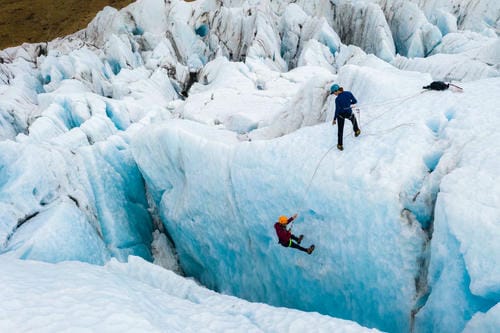
Glaciers move continuously, creating hidden crevasses that may be concealed beneath thin snow bridges. These voids can extend hundreds of meters deep and are often invisible to untrained eyes. Weather conditions shift rapidly, altering ice stability, visibility, and surface traction within minutes.
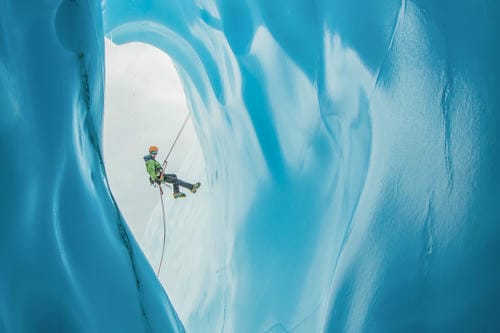
Statistically, guided glacier tours in Iceland are extremely safe, with incident rates estimated at less than 0.001% of participants. (Source: https://skaftafellicecave.org/is-skaftafell-ice-cave-safe-safety-data.html) This low risk is not accidental—it is the result of strict adherence to protocols, constant environmental monitoring, and the presence of trained professionals. By contrast, independent or unguided glacier travel carries significantly higher risk, often due to misjudgment of terrain or inadequate equipment.
The implication is straightforward: safety is systemic rather than individual. Even experienced climbers rely on local expertise when navigating Icelandic glaciers, as conditions evolve daily and historical familiarity offers limited predictive value.
III. How to start the perfect ice climbing experience
3.1 Choosing the Right Guided Experience
Risk management in ice climbing is a procedural and ongoing process. It begins with route selection, where guides assess ice thickness, structural integrity, and hazards such as icefalls or avalanches. Therefore, following the guide's instructions is crucial.
Guides provide ongoing guidance, correcting climbing techniques and alerting climbers to dangers. Participants must strictly adhere to instructions, as delays or incorrect reactions can jeopardize safety.
Human factors also play a role. Fatigue, overconfidence, and unfamiliarity with equipment all increase risk. Guided tours mitigate these factors by limiting group size, controlling the pace of the activity, and close supervision.
Environmental monitoring is continuous throughout the climb. Guides observe changes in weather, ice conditions, and group dynamics, adjusting the plan as needed. This dynamic approach distinguishes professional climbing from informal or unsupervised attempts.
3.2 Where Ice Climbing Happens in Iceland?
Popular climbing locations include Sólheimajökull, known for its accessibility, and outlet glaciers of Vatnajökull, which offer more dramatic ice formations. These sites are chosen not only for their visual appeal but also for their relative stability and suitability for controlled climbing routes.
Sólheimajökull Glacier (South Iceland)
Sólheimajökull is the most popular introduction site for ice climbing. It is accessible from Reykjavík and features relatively stable ice formations suitable for first-time climbers. Guided tours often combine glacier hiking with short climbing sessions on vertical ice walls.
Skaftafell Nature Reserve (Vatnajökull National Park)
Skaftafell offers more varied terrain, including both beginner-friendly slopes and technically steeper ice faces. The area is part of the larger Vatnajökull system, Europe’s largest glacier.
Vatnajökull Glacier (Outlet Zones)
Vatnajökull provides advanced and semi-technical climbing routes. The scale and variability of the glacier allow guides to adjust difficulty depending on group experience.
3.3 Required Equipment and What Is Provided
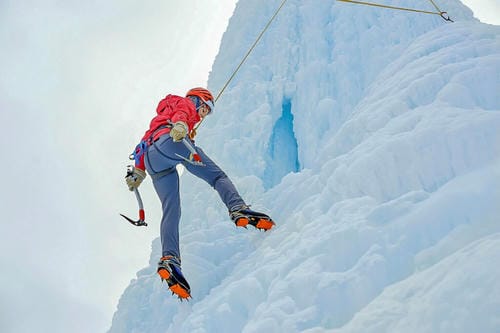
A standard ice climbing tour includes all technical safety gear provided by the operator:
● Helmet
● Harness
● Ice axe
● Crampons
● Rope systems and belay setup
Ice climbing relies on a set of specialized tools designed to maximize grip, stability, and protection. These include crampons, which attach to boots and provide traction on ice; ice axes, used to anchor and pull upward; helmets, which protect against falling debris; and harnesses connected to rope systems.
During the climb, rope systems act as the primary safeguard. Top-rope setups ensure that climbers are supported from above, minimizing fall distance and impact. Anchors are placed in solid ice, and their reliability is tested before use.
Guides provide most technical equipment, but participants are responsible for personal clothing and physical readiness. Before the climb begins, guides typically conduct demonstrations on how to use each piece of equipment correctly, ensuring that even first-time climbers can operate within a safe margin.
Proper footwear is a foundational requirement. Waterproof boots with rigid soles are necessary to ensure compatibility with crampons and to maintain stability on uneven, slippery surfaces. Inadequate footwear compromises both safety and performance, increasing the likelihood of slips or equipment failure.
Layering strategy is equally important. Conditions on glaciers are often colder and windier than surrounding areas, and exposure to meltwater is common. Waterproof outer layers, insulating mid-layers, and moisture-wicking base layers form the standard configuration.
IV. Environmental Conditions and Timing
Winter (October–April)
● Harder, more stable ice structures
● Lower risk of surface melt instability
● Strong visual contrast in blue ice formations
● Shorter daylight hours
Summer (May–September)
● Softer ice surface texture
● Longer climbing windows due to extended daylight
● Increased meltwater variability affecting routes
Seasonal variation also affects visibility and weather exposure. Winter storms can reduce visibility dramatically, while summer conditions may introduce glare from reflected sunlight, requiring eye protection.
Winter is generally preferred for structural reliability, while summer offers logistical flexibility.
Physical Preparation and Skill Requirements
Ice climbing in Iceland doesn't require advanced technical skills to get started, as most guided climbs are designed for beginners and offer on-site instruction.
However, participants must have a certain level of physical fitness. They should be able to walk for hours on rugged terrain and engage in moderate upper body movements during the climb. Balance and coordination are especially important because ice climbing is very different from climbing on solid ground.
Pre-trip training can improve safety and enjoyment. Activities such as hiking, strength training, and balance exercises help to prepare adequately.
V. Ethical and Environmental Considerations
Iceland’s glaciers are experiencing rapid retreat due to climate change, with significant ice loss recorded over the past century. This reality introduces an ethical dimension to glacier tourism, including ice climbing.
Responsible travel practices include minimizing environmental impact, adhering to designated routes, and respecting local regulations. Guided tours inherently support these principles by operating within established frameworks designed to protect both visitors and the environment.
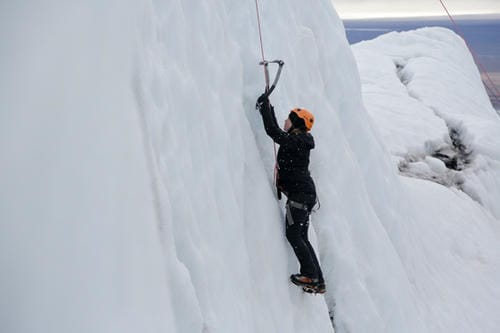
The transient nature of glaciers also underscores the importance of safety compliance. As ice formations evolve, previously stable areas may become hazardous, reinforcing the necessity of up-to-date knowledge and professional oversight.
It is important to note that
Due to climate change, Iceland's glaciers are retreating rapidly, with significant glacial loss over the past century.
Responsible travel includes minimizing environmental impact, adhering to designated routes, and respecting local regulations.
The rapid changes in glaciers, and the transformation of ice structures, mean that previously stable areas can become dangerous, underscore the necessity of staying up-to-date with the latest information and professional oversight.
A critical but often overlooked factor is cancellation policy. Approximately 12% of glacier tours are canceled due to safety concerns, reflecting a culture where conditions dictate operations rather than commercial pressure. (Source: https://skaftafellicecave.org/is-skaftafell-ice-cave-safe-safety-data.html) Travelers should interpret cancellations not as inconveniences but as indicators of a robust safety framework.
(This content is for informational purposes only and does not replace professional guidance. Ice climbing in Iceland involves inherent risks, including unstable ice, hidden crevasses, and rapidly changing weather. Participation should only occur under certified guides, as glaciers are dynamic environments where hazards may not be visible without expert assessment.
Readers are solely responsible for their safety, equipment, physical readiness, and compliance with local laws and tour operator instructions. Failure to follow regulations or guide directions may result in injury, legal consequences, or environmental damage.
Iceland’s landscapes are extremely fragile; even minor disturbances—such as stepping on moss—can cause damage lasting decades or longer . Travelers must follow “leave no trace” principles, remain on marked paths, and avoid altering natural features.)
Updated April 18, 2026
FAQs
Q1: Do I need prior climbing experience to try ice climbing in Iceland?
No. Most guided tours are designed for beginners and include full instruction, though basic fitness and willingness to learn are required.
Q2: Is ice climbing in Iceland dangerous?
It carries inherent risks, but guided experiences are statistically very safe due to strict protocols and professional supervision.
Q3: What is the best glacier for first-time ice climbers?
Sólheimajökull is commonly recommended due to its accessibility and well-established guided routes.
About Author
Elias Thorne is a fictional expedition writer and former alpine safety consultant specializing in cold-environment travel. With a background in glaciology fieldwork and high-altitude risk assessment, his work focuses on translating technical outdoor knowledge into accessible guidance for modern travelers.
References
[1] Iceland Planner. (2026). Glacier hiking and ice caves in Iceland: Complete adventure guide. Glacier hiking in Iceland: Complete safety guide.
[2] Icelandic Mountain Guides. (2025). Ice climbing in Iceland – Ultimate guide.
[3] Skaftafell Ice Cave. (2026). Ice cave safety guide: Facts, risks & protocols.
[4] Glacier and Volcano Expeditions. (2026). Safety overview for glacier tours.
Stay with us for more in-depth, experience-driven travel insights that prioritize both adventure and safety.
>>>>>>> 944e541ebad74151114cbae6b7f1c9ca1f8a9f02