The Ultimate Guide for Modern Cyclists: Top Routes, Gear, and Bicycle Choices for Every Adventure
<<<<<<< HEADApril 15, 2026
Key Highlights:
● Modern cyclists can explore scenic and safe bike-recommended routes in both urban and rural areas.
● Essential cycling gear enhances both safety and comfort on the road.
● Regular maintenance ensures your bike performs optimally and lasts longer.
● Knowledge of local cycling regulations and etiquette improves your riding experience.

Estimated Reading Time: 18 minutes┃Post by: Alex Marston
Cycling has evolved far beyond a simple mode of transportation; it is now a lifestyle embraced by millions seeking adventure, fitness, and eco-friendly mobility. Whether you are a commuter navigating busy city streets or an adventurer exploring forested trails, understanding recommended cycling routes, selecting the right bicycle, and equipping yourself with appropriate gear are essential components for a safe and enjoyable ride.
Urban Cycling: Navigating the City
Modern cities are increasingly accommodating cyclists through well-designed infrastructure. Bike lanes, greenways, and traffic-calmed streets allow riders to safely move from neighborhood to neighborhood while enjoying urban scenery. City cycling often combines practicality and leisure, connecting parks, cultural sites, and local businesses. Digital tools such as mapping apps or city cycling guides provide detailed information about traffic patterns, road conditions, and popular routes. Urban cyclists should consider commuting times, potential obstacles like intersections, and personal stamina when planning rides.

Rural and Trail-Based Routes: Embracing Nature
For those seeking an escape from the city, rural and trail-based routes offer immersive experiences. Trails can range from quiet country roads to rugged forest paths. These environments provide not only physical challenges but also mental refreshment, as cyclists enjoy the sights and sounds of nature. When exploring off-road trails, it’s important to be aware of potential hazards such as uneven terrain, wildlife, and weather conditions. Modern cycling apps often include GPS mapping and difficulty ratings, helping riders select routes appropriate for their skill level.
Long-Distance Cycling: The Adventure of Endurance
For experienced cyclists, long-distance rides require careful preparation and route planning. Multi-day tours demand consideration of elevation changes, rest stops, lodging options, and supply points. Participating in cycling clubs or online communities can provide advice from riders who have tackled similar routes. Safety is paramount: riders should ensure they have tools for on-the-go repairs, sufficient hydration, and emergency contacts. Long-distance cycling transforms an ordinary ride into an immersive journey, combining physical endurance with the joy of exploration.
Choosing the Right Bicycle
Road Bikes: Speed and Efficiency
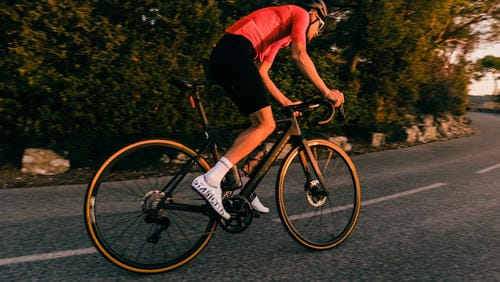
Road bicycles are designed for paved surfaces and long distances, offering lightweight frames and aerodynamic designs. Ideal for city commuting or long rides on smooth roads, these bikes allow for faster speeds and less physical strain over time. Key features to consider include gear ratios, frame materials, and wheel size. Road bikes are best suited for riders who prioritize efficiency, endurance, and structured routes.

Mountain Bikes: Tackling Rugged Terrain
Mountain bikes are built to endure challenging trails and off-road conditions. They feature reinforced frames, suspension systems, and wider tires for better grip on loose surfaces. These bikes are perfect for riders who enjoy nature trails, forest paths, or mountainous terrain. Choosing a mountain bike involves assessing suspension type, brake systems, and durability for long-term performance.
Hybrid Bikes: Versatility for Mixed Routes
Hybrid bicycles combine elements of road and mountain bikes, making them ideal for mixed routes that include urban streets and light off-road trails. They offer a balance of comfort, stability, and speed. Hybrid bikes are excellent options for casual riders, commuters, or those new to cycling who want a versatile option without committing to a single style.
Specialized Bikes: Tailoring to Unique Needs
Cyclists with specific goals may consider specialized bicycles such as touring bikes, gravel bikes, or electric bikes. Touring bikes are designed for multi-day trips with cargo capacity, gravel bikes handle rough and mixed terrain efficiently, and electric bikes provide pedal-assist for longer rides or hilly regions. Understanding your unique riding requirements helps ensure the right bicycle choice for long-term satisfaction.
Essential Gear for Modern Cyclists

Safety Gear: Helmets and Visibility
No cycling experience is complete without prioritizing safety. Helmets are non-negotiable, protecting against head injuries. Reflective clothing and lights enhance visibility, particularly during early mornings, evenings, or inclement weather. Some cyclists also use mirrors or wearable sensors to increase situational awareness, reducing the risk of accidents.
Comfort Gear: Apparel and Accessories
Long rides demand comfort-oriented gear. Padded shorts reduce strain on the lower body, moisture-wicking jerseys keep cyclists dry, and gloves prevent blisters. Eyewear protects against wind, dust, and UV rays. Other accessories, such as saddle bags, water bottles, and portable repair kits, ensure that cyclists remain prepared for unexpected situations during rides.
Maintenance Tools: Keeping Your Bike in Top Shape
A well-maintained bike performs better and lasts longer. Regular inspections of tires, brakes, chains, and gears prevent mechanical failures. Portable tools, such as multi-tools, tire levers, and mini pumps, allow cyclists to address minor issues on the go. Adopting a maintenance routine ensures both safety and performance, allowing riders to enjoy their cycling experience without unnecessary interruptions.

Advanced Technology: Enhancing the Ride
Modern cycling benefits from technological advancements. GPS devices, route-tracking apps, and heart rate monitors provide insights into distance, speed, and health metrics. Smart locks, integrated lights, and electronic gear shifting further enhance convenience and efficiency. Technology empowers cyclists to make data-informed decisions and improve performance while ensuring safety and enjoyment.
Beyond the individual benefits, cycling fosters community, health, and environmental stewardship. Local cycling clubs and group rides encourage social interaction while promoting safety awareness. Observing local traffic laws and cycling etiquette ensures a harmonious coexistence with motorists and pedestrians. Regular cycling improves cardiovascular health, strengthens muscles, and enhances mental well-being, offering both physical and emotional rewards. When approached thoughtfully, cycling becomes more than a recreational activity; it evolves into a sustainable, enriching lifestyle.
(The information in this article is intended for general guidance only. It does not replace professional advice regarding bicycle selection, safety gear, or medical consultation for physical activity. Readers should use personal discretion and adhere to local regulations, safety guidelines, and professional recommendations.)
Updated April 21, 2026
FQAs
1. How do I select the best bike for mixed terrain?
Hybrid bikes are ideal for mixed terrain, providing a balance between speed, comfort, and stability. Consider your primary riding environment and try test rides before purchasing.
2. What gear is essential for night rides?
Helmets with reflective elements, front and rear lights, reflective clothing, and a well-maintained braking system are crucial for safe night cycling.
3. How often should I maintain my bicycle?
Basic checks should occur before every ride, while thorough maintenance, including chain lubrication, brake inspections, and tire checks, should be done monthly or as needed depending on usage.
About Author
Alex Marston is a veteran cyclist, travel writer, and advocate for sustainable mobility. Over the past 15 years, Alex has explored urban streets, rural trails, and long-distance tours across North America and Europe. Passionate about both the technical and experiential sides of cycling, Alex offers practical guidance for modern cyclists seeking safety, comfort, and adventure.
References
[1] Strava. (2026). Explore cycling routes. https://www.strava.com/routes
[2] Komoot. (2026). Cycling and hiking maps.
[2] Bicycling.com. (2026). How to choose the right bike.
Keep exploring this blog for more in-depth guides, travel inspiration, and tips to elevate your cycling and outdoor adventures.
=======April 15, 2026
Key Highlights:
● Modern cyclists can explore scenic and safe bike-recommended routes in both urban and rural areas.
● Essential cycling gear enhances both safety and comfort on the road.
● Regular maintenance ensures your bike performs optimally and lasts longer.
● Knowledge of local cycling regulations and etiquette improves your riding experience.
Estimated Reading Time: 18 minutes┃Post by: Alex Marston
Cycling has evolved far beyond a simple mode of transportation; it is now a lifestyle embraced by millions seeking adventure, fitness, and eco-friendly mobility. Whether you are a commuter navigating busy city streets or an adventurer exploring forested trails, understanding recommended cycling routes, selecting the right bicycle, and equipping yourself with appropriate gear are essential components for a safe and enjoyable ride.
Urban Cycling: Navigating the City
Modern cities are increasingly accommodating cyclists through well-designed infrastructure. Bike lanes, greenways, and traffic-calmed streets allow riders to safely move from neighborhood to neighborhood while enjoying urban scenery. City cycling often combines practicality and leisure, connecting parks, cultural sites, and local businesses. Digital tools such as mapping apps or city cycling guides provide detailed information about traffic patterns, road conditions, and popular routes. Urban cyclists should consider commuting times, potential obstacles like intersections, and personal stamina when planning rides.
Rural and Trail-Based Routes: Embracing Nature
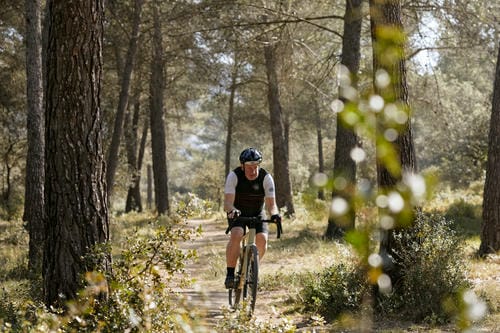
For those seeking an escape from the city, rural and trail-based routes offer immersive experiences. Trails can range from quiet country roads to rugged forest paths. These environments provide not only physical challenges but also mental refreshment, as cyclists enjoy the sights and sounds of nature. When exploring off-road trails, it’s important to be aware of potential hazards such as uneven terrain, wildlife, and weather conditions. Modern cycling apps often include GPS mapping and difficulty ratings, helping riders select routes appropriate for their skill level.
Long-Distance Cycling: The Adventure of Endurance
For experienced cyclists, long-distance rides require careful preparation and route planning. Multi-day tours demand consideration of elevation changes, rest stops, lodging options, and supply points. Participating in cycling clubs or online communities can provide advice from riders who have tackled similar routes. Safety is paramount: riders should ensure they have tools for on-the-go repairs, sufficient hydration, and emergency contacts. Long-distance cycling transforms an ordinary ride into an immersive journey, combining physical endurance with the joy of exploration.
Choosing the Right Bicycle
Road Bikes: Speed and Efficiency
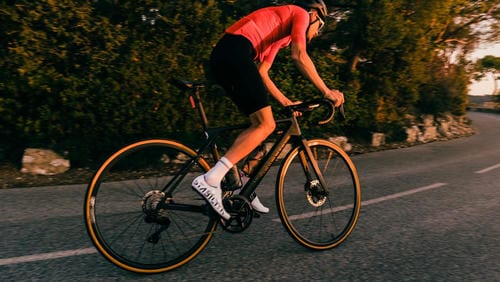
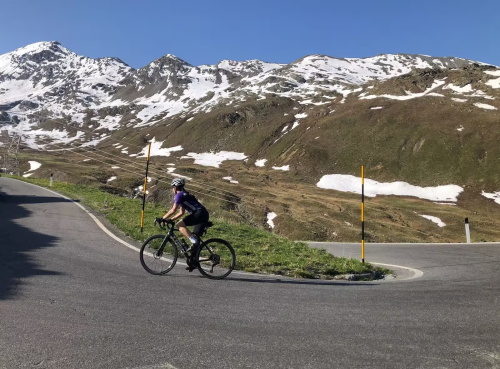
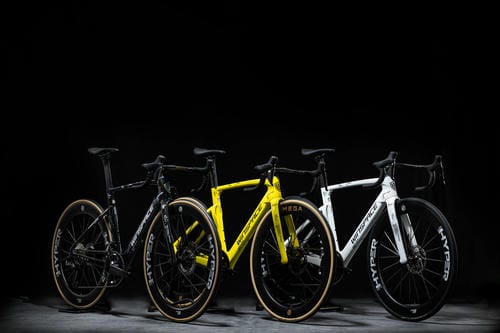
Road bicycles are designed for paved surfaces and long distances, offering lightweight frames and aerodynamic designs. Ideal for city commuting or long rides on smooth roads, these bikes allow for faster speeds and less physical strain over time. Key features to consider include gear ratios, frame materials, and wheel size. Road bikes are best suited for riders who prioritize efficiency, endurance, and structured routes.
Mountain Bikes: Tackling Rugged Terrain
Mountain bikes are built to endure challenging trails and off-road conditions. They feature reinforced frames, suspension systems, and wider tires for better grip on loose surfaces. These bikes are perfect for riders who enjoy nature trails, forest paths, or mountainous terrain. Choosing a mountain bike involves assessing suspension type, brake systems, and durability for long-term performance.
Hybrid Bikes: Versatility for Mixed Routes
Hybrid bicycles combine elements of road and mountain bikes, making them ideal for mixed routes that include urban streets and light off-road trails. They offer a balance of comfort, stability, and speed. Hybrid bikes are excellent options for casual riders, commuters, or those new to cycling who want a versatile option without committing to a single style.
Specialized Bikes: Tailoring to Unique Needs
Cyclists with specific goals may consider specialized bicycles such as touring bikes, gravel bikes, or electric bikes. Touring bikes are designed for multi-day trips with cargo capacity, gravel bikes handle rough and mixed terrain efficiently, and electric bikes provide pedal-assist for longer rides or hilly regions. Understanding your unique riding requirements helps ensure the right bicycle choice for long-term satisfaction.
Essential Gear for Modern Cyclists
Safety Gear: Helmets and Visibility
No cycling experience is complete without prioritizing safety. Helmets are non-negotiable, protecting against head injuries. Reflective clothing and lights enhance visibility, particularly during early mornings, evenings, or inclement weather. Some cyclists also use mirrors or wearable sensors to increase situational awareness, reducing the risk of accidents.
Comfort Gear: Apparel and Accessories
Long rides demand comfort-oriented gear. Padded shorts reduce strain on the lower body, moisture-wicking jerseys keep cyclists dry, and gloves prevent blisters. Eyewear protects against wind, dust, and UV rays. Other accessories, such as saddle bags, water bottles, and portable repair kits, ensure that cyclists remain prepared for unexpected situations during rides.
Maintenance Tools: Keeping Your Bike in Top Shape
A well-maintained bike performs better and lasts longer. Regular inspections of tires, brakes, chains, and gears prevent mechanical failures. Portable tools, such as multi-tools, tire levers, and mini pumps, allow cyclists to address minor issues on the go. Adopting a maintenance routine ensures both safety and performance, allowing riders to enjoy their cycling experience without unnecessary interruptions.
Advanced Technology: Enhancing the Ride
Modern cycling benefits from technological advancements. GPS devices, route-tracking apps, and heart rate monitors provide insights into distance, speed, and health metrics. Smart locks, integrated lights, and electronic gear shifting further enhance convenience and efficiency. Technology empowers cyclists to make data-informed decisions and improve performance while ensuring safety and enjoyment.
Beyond the individual benefits, cycling fosters community, health, and environmental stewardship. Local cycling clubs and group rides encourage social interaction while promoting safety awareness. Observing local traffic laws and cycling etiquette ensures a harmonious coexistence with motorists and pedestrians. Regular cycling improves cardiovascular health, strengthens muscles, and enhances mental well-being, offering both physical and emotional rewards. When approached thoughtfully, cycling becomes more than a recreational activity; it evolves into a sustainable, enriching lifestyle.
(The information in this article is intended for general guidance only. It does not replace professional advice regarding bicycle selection, safety gear, or medical consultation for physical activity. Readers should use personal discretion and adhere to local regulations, safety guidelines, and professional recommendations.)
Updated April 21, 2026
FQAs
1. How do I select the best bike for mixed terrain?
Hybrid bikes are ideal for mixed terrain, providing a balance between speed, comfort, and stability. Consider your primary riding environment and try test rides before purchasing.
2. What gear is essential for night rides?
Helmets with reflective elements, front and rear lights, reflective clothing, and a well-maintained braking system are crucial for safe night cycling.
3. How often should I maintain my bicycle?
Basic checks should occur before every ride, while thorough maintenance, including chain lubrication, brake inspections, and tire checks, should be done monthly or as needed depending on usage.
About Author
Alex Marston is a veteran cyclist, travel writer, and advocate for sustainable mobility. Over the past 15 years, Alex has explored urban streets, rural trails, and long-distance tours across North America and Europe. Passionate about both the technical and experiential sides of cycling, Alex offers practical guidance for modern cyclists seeking safety, comfort, and adventure.
References
[1] Strava. (2026). Explore cycling routes. https://www.strava.com/routes
[2] Komoot. (2026). Cycling and hiking maps.
[2] Bicycling.com. (2026). How to choose the right bike.
Keep exploring this blog for more in-depth guides, travel inspiration, and tips to elevate your cycling and outdoor adventures.
>>>>>>> 944e541ebad74151114cbae6b7f1c9ca1f8a9f02