Scuba Diving for Beginners in Lesser-Known Caribbean Reefs
<<<<<<< HEADApril 15, 2026
Beginner-friendly scuba diving locations in the Caribbean are off the usual tourist path, explore pristine coral reefs teeming with marine life, learn essential diving tips and safety protocols, understand what to expect from local dive operators, and plan your underwater adventure without the crowds.

Estimated Reading Time: 11 minutes┃Post by: Maya Linden
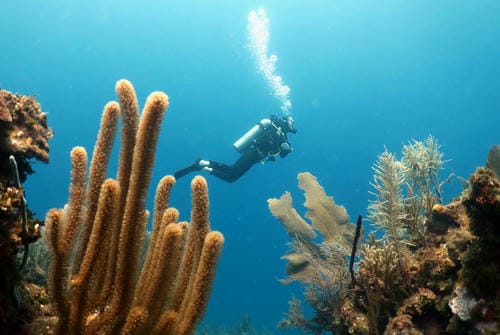
The Caribbean is synonymous with turquoise waters, sandy beaches, and abundant marine life. While popular dive sites like Cozumel and Bonaire are well-known, numerous lesser-explored reefs offer unique experiences for beginners. These sites provide calm waters, vibrant coral ecosystems, and a more personal, uncrowded diving environment. This article examines accessible locations, preparation guidelines, and safety considerations for first-time divers venturing into the Caribbean’s quieter underwater realms.
Why Lesser-Known Reefs Are Ideal for Beginners?
For novices, crowded dive sites can be overwhelming. Lesser-known reefs tend to offer:
● Calmer waters: Many smaller islands have sheltered bays with minimal current, reducing stress for first-time divers.
● Simpler navigation: Beginners can focus on exploring without complicated routes or deep drop-offs.
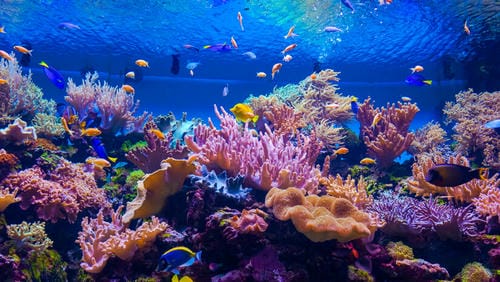
● Diverse marine life: Reduced tourist pressure allows healthy ecosystems, including colorful fish, sea turtles, and soft corals.
● Affordable dive packages: Smaller operators often provide more personalized instruction at lower costs.
● Cultural immersion: Visiting remote islands allows a connection with local communities and traditional Caribbean lifestyles.
Top Beginner-Friendly Lesser-Known Caribbean Reefs

1. Saba, Netherlands Antilles
Saba’s reefs are renowned for crystal-clear visibility and moderate depths. Beginner divers can explore sites such as The Pinnacles, which rise from 40 feet to near the surface, offering easy orientation. Marine life includes frogfish, barracuda, and nurse sharks. Local dive centers provide certified PADI courses with small group sizes.
2. Little Cayman, Cayman Islands
Little Cayman’s Bloody Bay Wall is globally famous but not heavily trafficked due to its remote location. Beginners can enjoy shallow shelves before descending, making it ideal for gaining confidence. Expect to see spiny lobsters, eagle rays, and occasional reef sharks.
3. Union Island, St. Vincent & the Grenadines
Union Island offers sheltered coves and shallow reefs for training dives. Chatham Bay provides calm conditions and coral gardens with abundant tropical fish. Dive shops here emphasize small, personalized sessions suitable for first-time divers.
4. Bonaire’s Southern Reefs (Beyond the Popular Spots)
While Bonaire itself is widely recognized, southern reefs like South Dive Sites near Sorobon remain underexplored. Gentle currents and shallow sandy areas make these locations safe and enjoyable for novices.
Essential Preparations for Beginner Divers
1. Certification: Obtain an Open Water Diver certification from a reputable agency such as PADI or SSI. Courses typically include classroom sessions, confined water training, and open water dives.
2. Medical Check: Consult a doctor for conditions that may affect diving safety, such as respiratory or cardiovascular issues.

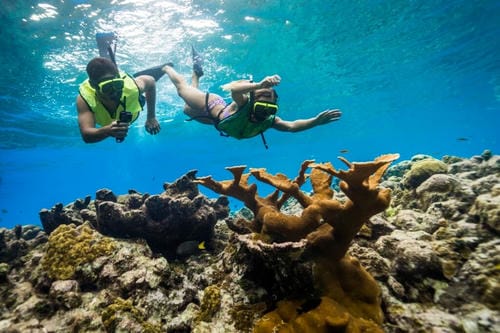
3. Equipment Familiarization: Learn how to use the mask, fins, regulator, and buoyancy control device (BCD) before entering open water.
4. Dive Briefing: Always attend pre-dive briefings to understand depth limits, emergency procedures, and marine life interaction guidelines.
5. Physical Readiness: Maintain basic swimming skills and practice controlled breathing underwater.
Reliable dive operators provide equipment rentals, trained instructors, and structured programs for beginners. Reviews on TripAdvisor and PADI Travel often highlight operators with high safety ratings and personalized attention. It is advisable to confirm that the operator follows regional safety standards, maintains well-serviced tanks, and conducts pre-dive briefings thoroughly. Some operators also offer combination packages, including snorkeling, certification courses, and eco-tours, providing a comprehensive introduction to Caribbean diving for first-time visitors.
Safety Protocols for Caribbean Beginners
Scuba diving carries inherent risks, but proper adherence to safety protocols significantly reduces these hazards. Beginners should always dive with a certified guide and avoid exceeding recommended depth limits of 12–18 meters. Continuous monitoring of air supply, depth, and time underwater is essential. Diving in lesser-known reefs also requires awareness of localized conditions such as sudden weather changes or hidden currents. Emergency procedures, including controlled ascents and buddy checks, must be practiced consistently. According to the Divers Alert Network (2022), adherence to these protocols reduces the incidence of diving-related injuries by over 60%.

Environmental Awareness and Responsible Diving
Caribbean reefs are highly sensitive. Beginners should:
● Avoid using sunscreen that contains oxybenzone and octinoxate, chemicals harmful to coral
● Maintain neutral buoyancy to prevent accidental coral contact
● Dispose of waste responsibly and support eco-conscious dive operators
Conservation organizations, such as the Reef Conservation Foundation, note that divers practicing responsible behavior contribute to the long-term health of these delicate ecosystems.
Conclusion
Exploring lesser-known Caribbean reefs provides beginners with a unique blend of adventure, education, and tranquility. These sites offer safe, controlled environments for learning fundamental diving skills while experiencing remarkable biodiversity. By selecting certified operators, adhering to safety protocols, and practicing environmental responsibility, novice divers can build confidence and competence underwater. Early experiences on these quieter reefs often shape a lifelong passion for scuba diving and marine conservation.
(This article is for informational purposes only and is not a substitute for professional scuba diving training or certification. Always dive with a certified instructor, follow local regulations, and use proper safety equipment. Conditions in the Caribbean can change quickly, and diving carries inherent risks. The author and this blog are not responsible for any accidents, injuries, or other issues that may occur. Readers are encouraged to consult certified dive professionals before planning any dives.)
FAQs
1. Do I need previous swimming experience to start scuba diving?
Yes, basic swimming skills and comfort in the water are required for all beginner courses.
2. Are these lesser-known sites suitable for family trips?
Many are ideal for families, but depth limits and equipment size should be considered for children.
3. How can I choose a reputable dive operator?
Check certifications (PADI/SSI), read recent reviews, and inquire about instructor-to-diver ratios and safety procedures.
About the Author
Isla Merrow is a marine biologist, certified PADI Instructor, and travel writer with over 12 years of experience exploring Caribbean reefs. She specializes in beginner-friendly diving programs and has guided hundreds of first-time divers through lesser-known underwater destinations. Her work focuses on coral reef conservation, sustainable tourism, and marine biodiversity education. Isla has contributed to international journals on marine ecology and collaborates with local dive operators to promote environmentally responsible diving practices. Website: www.islamerrowdiving.com Email: [email protected]
References
[1] Caribbean Tourism Organization. (2024). Diving safety statistics in the Caribbean.
[2] PADI. (2023). Open Water Diver course standards.
[3] Reef Conservation Foundation. (2022). Caribbean reef conservation guidelines.
Stay with us for more expert tips and hidden travel gems in the Caribbean and beyond!
=======April 15, 2026
Beginner-friendly scuba diving locations in the Caribbean are off the usual tourist path, explore pristine coral reefs teeming with marine life, learn essential diving tips and safety protocols, understand what to expect from local dive operators, and plan your underwater adventure without the crowds.
Estimated Reading Time: 11 minutes┃Post by: Maya Linden
The Caribbean is synonymous with turquoise waters, sandy beaches, and abundant marine life. While popular dive sites like Cozumel and Bonaire are well-known, numerous lesser-explored reefs offer unique experiences for beginners. These sites provide calm waters, vibrant coral ecosystems, and a more personal, uncrowded diving environment. This article examines accessible locations, preparation guidelines, and safety considerations for first-time divers venturing into the Caribbean’s quieter underwater realms.
Why Lesser-Known Reefs Are Ideal for Beginners?
For novices, crowded dive sites can be overwhelming. Lesser-known reefs tend to offer:
● Calmer waters: Many smaller islands have sheltered bays with minimal current, reducing stress for first-time divers.
● Simpler navigation: Beginners can focus on exploring without complicated routes or deep drop-offs.
● Diverse marine life: Reduced tourist pressure allows healthy ecosystems, including colorful fish, sea turtles, and soft corals.
● Affordable dive packages: Smaller operators often provide more personalized instruction at lower costs.
● Cultural immersion: Visiting remote islands allows a connection with local communities and traditional Caribbean lifestyles.
Top Beginner-Friendly Lesser-Known Caribbean Reefs
1. Saba, Netherlands Antilles
Saba’s reefs are renowned for crystal-clear visibility and moderate depths. Beginner divers can explore sites such as The Pinnacles, which rise from 40 feet to near the surface, offering easy orientation. Marine life includes frogfish, barracuda, and nurse sharks. Local dive centers provide certified PADI courses with small group sizes.
2. Little Cayman, Cayman Islands
Little Cayman’s Bloody Bay Wall is globally famous but not heavily trafficked due to its remote location. Beginners can enjoy shallow shelves before descending, making it ideal for gaining confidence. Expect to see spiny lobsters, eagle rays, and occasional reef sharks.
3. Union Island, St. Vincent & the Grenadines
Union Island offers sheltered coves and shallow reefs for training dives. Chatham Bay provides calm conditions and coral gardens with abundant tropical fish. Dive shops here emphasize small, personalized sessions suitable for first-time divers.
4. Bonaire’s Southern Reefs (Beyond the Popular Spots)
While Bonaire itself is widely recognized, southern reefs like South Dive Sites near Sorobon remain underexplored. Gentle currents and shallow sandy areas make these locations safe and enjoyable for novices.
Essential Preparations for Beginner Divers
1. Certification: Obtain an Open Water Diver certification from a reputable agency such as PADI or SSI. Courses typically include classroom sessions, confined water training, and open water dives.
2. Medical Check: Consult a doctor for conditions that may affect diving safety, such as respiratory or cardiovascular issues.
3. Equipment Familiarization: Learn how to use the mask, fins, regulator, and buoyancy control device (BCD) before entering open water.
4. Dive Briefing: Always attend pre-dive briefings to understand depth limits, emergency procedures, and marine life interaction guidelines.
5. Physical Readiness: Maintain basic swimming skills and practice controlled breathing underwater.
Reliable dive operators provide equipment rentals, trained instructors, and structured programs for beginners. Reviews on TripAdvisor and PADI Travel often highlight operators with high safety ratings and personalized attention. It is advisable to confirm that the operator follows regional safety standards, maintains well-serviced tanks, and conducts pre-dive briefings thoroughly. Some operators also offer combination packages, including snorkeling, certification courses, and eco-tours, providing a comprehensive introduction to Caribbean diving for first-time visitors.
Safety Protocols for Caribbean Beginners
Scuba diving carries inherent risks, but proper adherence to safety protocols significantly reduces these hazards. Beginners should always dive with a certified guide and avoid exceeding recommended depth limits of 12–18 meters. Continuous monitoring of air supply, depth, and time underwater is essential. Diving in lesser-known reefs also requires awareness of localized conditions such as sudden weather changes or hidden currents. Emergency procedures, including controlled ascents and buddy checks, must be practiced consistently. According to the Divers Alert Network (2022), adherence to these protocols reduces the incidence of diving-related injuries by over 60%.
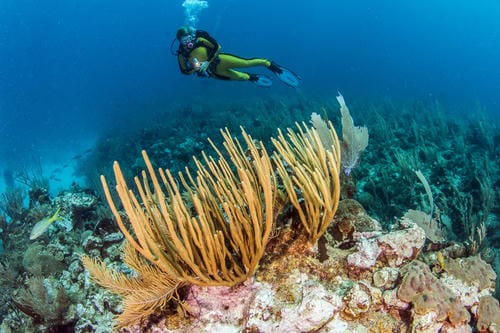
Environmental Awareness and Responsible Diving
Caribbean reefs are highly sensitive. Beginners should:
● Avoid using sunscreen that contains oxybenzone and octinoxate, chemicals harmful to coral
● Maintain neutral buoyancy to prevent accidental coral contact
● Dispose of waste responsibly and support eco-conscious dive operators
Conservation organizations, such as the Reef Conservation Foundation, note that divers practicing responsible behavior contribute to the long-term health of these delicate ecosystems.
Conclusion
Exploring lesser-known Caribbean reefs provides beginners with a unique blend of adventure, education, and tranquility. These sites offer safe, controlled environments for learning fundamental diving skills while experiencing remarkable biodiversity. By selecting certified operators, adhering to safety protocols, and practicing environmental responsibility, novice divers can build confidence and competence underwater. Early experiences on these quieter reefs often shape a lifelong passion for scuba diving and marine conservation.
(This article is for informational purposes only and is not a substitute for professional scuba diving training or certification. Always dive with a certified instructor, follow local regulations, and use proper safety equipment. Conditions in the Caribbean can change quickly, and diving carries inherent risks. The author and this blog are not responsible for any accidents, injuries, or other issues that may occur. Readers are encouraged to consult certified dive professionals before planning any dives.)
FAQs
1. Do I need previous swimming experience to start scuba diving?
Yes, basic swimming skills and comfort in the water are required for all beginner courses.
2. Are these lesser-known sites suitable for family trips?
Many are ideal for families, but depth limits and equipment size should be considered for children.
3. How can I choose a reputable dive operator?
Check certifications (PADI/SSI), read recent reviews, and inquire about instructor-to-diver ratios and safety procedures.
About the Author
Isla Merrow is a marine biologist, certified PADI Instructor, and travel writer with over 12 years of experience exploring Caribbean reefs. She specializes in beginner-friendly diving programs and has guided hundreds of first-time divers through lesser-known underwater destinations. Her work focuses on coral reef conservation, sustainable tourism, and marine biodiversity education. Isla has contributed to international journals on marine ecology and collaborates with local dive operators to promote environmentally responsible diving practices. Website: www.islamerrowdiving.com Email: [email protected]
References
[1] Caribbean Tourism Organization. (2024). Diving safety statistics in the Caribbean.
[2] PADI. (2023). Open Water Diver course standards.
[3] Reef Conservation Foundation. (2022). Caribbean reef conservation guidelines.
Stay with us for more expert tips and hidden travel gems in the Caribbean and beyond!
>>>>>>> 944e541ebad74151114cbae6b7f1c9ca1f8a9f02