Central America’s Volcano Adventures with a Cultural Twist
<<<<<<< HEADApril 16, 2026
Central America offers unique opportunities to combine active volcano hikes with rich cultural experiences. Visitors can explore ancient ruins, vibrant local markets, and traditional villages near volcanic regions. Guatemala, Nicaragua, and Costa Rica provide diverse trails with varying difficulty levels. Cultural festivals often coincide with peak trekking seasons, enhancing the overall experience. Planning itineraries that balance adventure and cultural immersion maximizes both safety and enjoyment.

Estimated Reading Time: 12 minutes┃Post by: Alex Moreno
Central America is a landscape of striking contrasts: jagged volcanoes, lush rainforests, and centuries-old cultural traditions coexist in close proximity. For travelers seeking both adventure and cultural enrichment, the region offers unparalleled opportunities. Volcano hikes are more than physical challenges; they are gateways to understanding the land and its people. By integrating local cultural experiences into trekking itineraries, visitors can engage with Central America’s history, traditions, and communities in a meaningful way.
Choosing Volcano Hikes That Connect with Local Culture
Central America hosts over 40 active volcanoes, many of which are accessible to experienced hikers and casual adventurers alike. Some notable examples include:

In Guatemala, Pacaya Volcano is a popular choice for first-time hikers due to its moderate elevation of 2,552 meters and proximity to Antigua. Daily guided hikes often include explanations of volcanic activity, local agriculture, and the impact on nearby communities. Similarly, Cerro Negro in Nicaragua offers a unique black-sand landscape where local guides share historical insights about volcanic eruptions and the role of the volcano in regional folklore. Costa Rica’s Poás Volcano, with its accessible crater, is paired with visits to coffee plantations and indigenous heritage sites in the surrounding Central Valley. Selecting volcanoes that are closely tied to local communities allows travelers to gain insights that go beyond geological observations.
Integrating Cultural Experiences Along Trekking Routes
Cultural immersion can be seamlessly incorporated into volcano hikes. Markets, traditional villages, and craft workshops often exist within a short distance of popular trails.
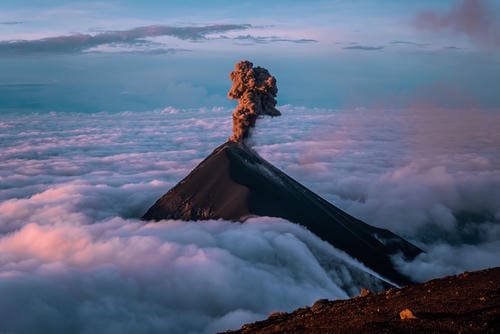
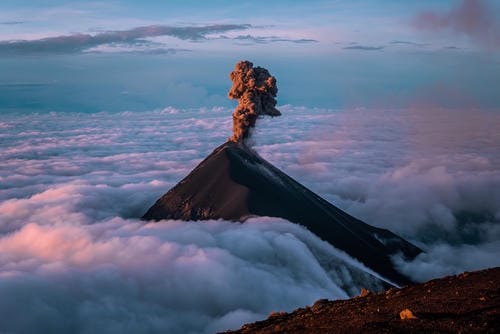
In Guatemala, combining a morning hike up Acatenango Volcano with an afternoon visit to Chichicastenango Market allows travelers to observe indigenous artisans, textiles, and ritual practices.
In Nicaragua, a Cerro Negro trek can be paired with a visit to León’s colonial center and its cathedral murals.

Costa Rica’s Arenal Volcano area is surrounded by small towns where travelers can participate in traditional cooking classes or learn about cacao production.
Timing is crucial: planning visits during local festivals enhances engagement and provides richer insights into traditions.
Practical Considerations
Safety and Guidance
Always use certified local guides for volcano hikes; active volcanoes can be unpredictable.
Check government advisories for volcanic activity alerts.
Equip yourself with proper hiking gear: boots, layered clothing, gloves, and a helmet if necessary.
Health and Environmental Responsibility
Stay hydrated; Central American climates can be humid and hot.
Practice “leave no trace” principles to preserve fragile ecosystems.
Respect local customs, including dress codes and photography rules in indigenous communities.
Transportation and Logistics
Shuttle services between volcanoes and nearby towns are common; some areas may require 4x4 vehicles.
Local buses are an economical option but can be time-consuming.
Domestic flights in Costa Rica and Guatemala can save time when covering long distances.
Optimal Itineraries for Multi-Day Experiences

Combining volcano hikes with cultural experiences often requires multi-day itineraries. A typical Guatemala itinerary might include an overnight hike to Acatenango’s summit, followed by recovery and market visits in Antigua, concluding with a visit to Mayan ruins in Tikal. In Nicaragua, a two-day plan could involve Cerro Negro and nearby Masaya Volcano, integrated with artisan workshops in Masaya town and a historical walking tour of Granada. Costa Rica’s approach could combine an early morning Poás Volcano visit with afternoons spent in coffee plantations and cultural museums, concluding with relaxation at natural hot springs fed by volcanic activity. Strategic scheduling ensures travelers maintain energy while maximizing cultural engagement.
Multi-Day Itineraries: Balancing Adventure and Culture
A structured itinerary ensures travelers gain both the thrill of hiking and the depth of cultural exploration. A sample five-day itinerary might include:
Day 1: Arrival in Guatemala City, transfer to Antigua, evening cultural tour.
Day 2: Early hike up Pacaya Volcano, guided lava field exploration.
Day 3: Workshop with local artisans in Antigua, historical walking tour.
Day 4: Transfer to Lake Atitlán, visit nearby Mayan villages.
Day 5: Boat tour of the lake and surrounding volcanoes, departure.
Such itineraries can be adapted across Costa Rica, Nicaragua, and El Salvador, offering flexibility depending on the traveler's level of fitness, cultural interests, and time constraints.
Enhancing Experiences Through Local Guides and Community Engagement
Hiring local guides is not only a safety measure but also a gateway to authentic experiences. Local guides share historical narratives, personal stories, and practical knowledge about flora, fauna, and indigenous practices. Travelers who engage with communities through guided tours or community projects gain a more nuanced understanding of the interplay between volcanic landscapes and local life. Collaborative initiatives, such as volunteer conservation programs or cultural workshops, provide meaningful interactions while supporting sustainable tourism practices.

Seasonal and Timing Considerations
Volcano accessibility and cultural festival timing often overlap with specific seasons. Guatemala’s dry season (November to April) provides safer trekking conditions, while many traditional festivals, such as Semana Santa, coincide with peak hiking season. In Costa Rica, the green season (May to November) enhances rainforest experiences but may require flexible scheduling for trails prone to rainfall. Nicaragua’s dry season (December to April) ensures Cerro Negro hikes are manageable, and cultural events in Granada and León offer vibrant post-hike experiences. Understanding these seasonal patterns allows travelers to optimize both adventure and cultural engagement.
The information provided in this article is for educational and planning purposes only. Travelers should verify conditions, local regulations, and safety guidelines with official sources before undertaking any volcano hike or cultural activity.
(The content of this article is intended for informational and educational purposes only. While every effort has been made to ensure the accuracy of the information at the time of publication, conditions on the ground—such as volcanic activity, weather, transportation availability, and local regulations—can change rapidly. Travelers are strongly advised to verify all details with official sources, certified guides, and local authorities before embarking on any volcano hikes or cultural visits. The author and publisher are not responsible for any accidents, injuries, or losses incurred as a result of following this guide. Readers should also respect all local customs, environmental regulations, and safety protocols.)
Updated April 22, 2026
FQAs
Q1: Are volcano hikes suitable for beginners?
A1: Some volcanoes, such as Pacaya in Guatemala or Poás in Costa Rica, offer moderate trails suitable for beginners. However, higher-elevation volcanoes may require prior trekking experience.
Q2: How can I engage with local culture responsibly?
A2: Hire certified local guides, support community-run workshops, and respect traditions and environmental regulations. Avoid exploitative photography or interfering with sacred sites.
Q3: What is the best time of year for combining hikes with festivals?
A3: Timing varies by country: Guatemala (dry season, November–April), Costa Rica (green season for rainforest activity, December–April for festival alignment), Nicaragua (dry season, December–April). Check local calendars for specific festival dates.
About Author
Ava Delacroix is an experienced travel writer and adventure tourism consultant specializing in Central and Latin America. Over the past decade, she has explored volcanoes, indigenous communities, UNESCO World Heritage sites, and remote cultural festivals, combining first-hand field research with immersive travel storytelling. Ava is committed to sustainable tourism and encourages travelers to respect local ecosystems and cultural heritage while seeking authentic experiences.
Email: [email protected]
Website/Portfolio: www.avadelacroixtravels.com
References
[1] National Geographic Travel. (2024). Volcano hiking in Central America.
[2] Lonely Planet. (2024). Central America cultural travel guide.
[3] Central America Tourism Board. (2024). Volcanoes and cultural experiences.
Explore more immersive travel guides and adventure itineraries right here on our blog.
=======April 16, 2026
Central America offers unique opportunities to combine active volcano hikes with rich cultural experiences. Visitors can explore ancient ruins, vibrant local markets, and traditional villages near volcanic regions. Guatemala, Nicaragua, and Costa Rica provide diverse trails with varying difficulty levels. Cultural festivals often coincide with peak trekking seasons, enhancing the overall experience. Planning itineraries that balance adventure and cultural immersion maximizes both safety and enjoyment.
Estimated Reading Time: 12 minutes┃Post by: Alex Moreno
Central America is a landscape of striking contrasts: jagged volcanoes, lush rainforests, and centuries-old cultural traditions coexist in close proximity. For travelers seeking both adventure and cultural enrichment, the region offers unparalleled opportunities. Volcano hikes are more than physical challenges; they are gateways to understanding the land and its people. By integrating local cultural experiences into trekking itineraries, visitors can engage with Central America’s history, traditions, and communities in a meaningful way.
Choosing Volcano Hikes That Connect with Local Culture
Central America hosts over 40 active volcanoes, many of which are accessible to experienced hikers and casual adventurers alike. Some notable examples include:
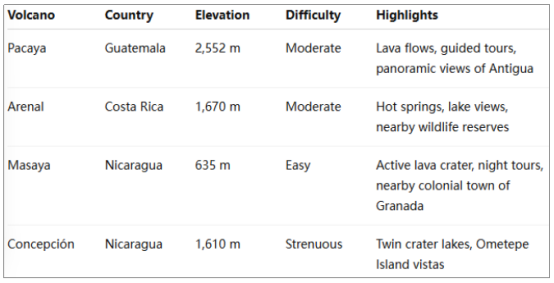
In Guatemala, Pacaya Volcano is a popular choice for first-time hikers due to its moderate elevation of 2,552 meters and proximity to Antigua. Daily guided hikes often include explanations of volcanic activity, local agriculture, and the impact on nearby communities. Similarly, Cerro Negro in Nicaragua offers a unique black-sand landscape where local guides share historical insights about volcanic eruptions and the role of the volcano in regional folklore. Costa Rica’s Poás Volcano, with its accessible crater, is paired with visits to coffee plantations and indigenous heritage sites in the surrounding Central Valley. Selecting volcanoes that are closely tied to local communities allows travelers to gain insights that go beyond geological observations.
Integrating Cultural Experiences Along Trekking Routes
Cultural immersion can be seamlessly incorporated into volcano hikes. Markets, traditional villages, and craft workshops often exist within a short distance of popular trails.
In Guatemala, combining a morning hike up Acatenango Volcano with an afternoon visit to Chichicastenango Market allows travelers to observe indigenous artisans, textiles, and ritual practices.
In Nicaragua, a Cerro Negro trek can be paired with a visit to León’s colonial center and its cathedral murals.
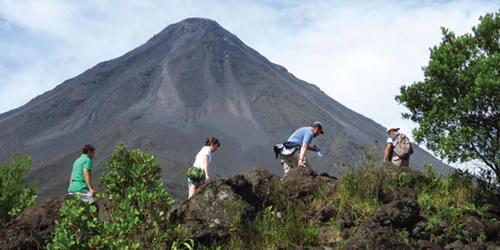
Costa Rica’s Arenal Volcano area is surrounded by small towns where travelers can participate in traditional cooking classes or learn about cacao production.
Timing is crucial: planning visits during local festivals enhances engagement and provides richer insights into traditions.
Practical Considerations
Safety and Guidance
Always use certified local guides for volcano hikes; active volcanoes can be unpredictable.
Check government advisories for volcanic activity alerts.
Equip yourself with proper hiking gear: boots, layered clothing, gloves, and a helmet if necessary.
Health and Environmental Responsibility
Stay hydrated; Central American climates can be humid and hot.
Practice “leave no trace” principles to preserve fragile ecosystems.
Respect local customs, including dress codes and photography rules in indigenous communities.
Transportation and Logistics
Shuttle services between volcanoes and nearby towns are common; some areas may require 4x4 vehicles.
Local buses are an economical option but can be time-consuming.
Domestic flights in Costa Rica and Guatemala can save time when covering long distances.
Optimal Itineraries for Multi-Day Experiences
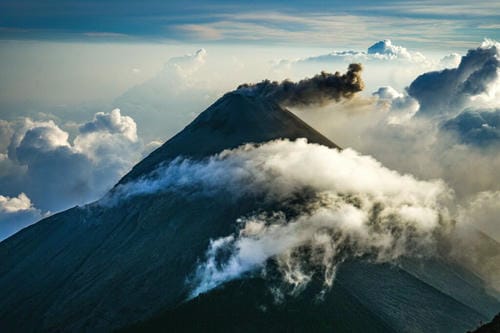
Combining volcano hikes with cultural experiences often requires multi-day itineraries. A typical Guatemala itinerary might include an overnight hike to Acatenango’s summit, followed by recovery and market visits in Antigua, concluding with a visit to Mayan ruins in Tikal. In Nicaragua, a two-day plan could involve Cerro Negro and nearby Masaya Volcano, integrated with artisan workshops in Masaya town and a historical walking tour of Granada. Costa Rica’s approach could combine an early morning Poás Volcano visit with afternoons spent in coffee plantations and cultural museums, concluding with relaxation at natural hot springs fed by volcanic activity. Strategic scheduling ensures travelers maintain energy while maximizing cultural engagement.
Multi-Day Itineraries: Balancing Adventure and Culture
A structured itinerary ensures travelers gain both the thrill of hiking and the depth of cultural exploration. A sample five-day itinerary might include:
Day 1: Arrival in Guatemala City, transfer to Antigua, evening cultural tour.
Day 2: Early hike up Pacaya Volcano, guided lava field exploration.
Day 3: Workshop with local artisans in Antigua, historical walking tour.
Day 4: Transfer to Lake Atitlán, visit nearby Mayan villages.
Day 5: Boat tour of the lake and surrounding volcanoes, departure.
Such itineraries can be adapted across Costa Rica, Nicaragua, and El Salvador, offering flexibility depending on the traveler's level of fitness, cultural interests, and time constraints.
Enhancing Experiences Through Local Guides and Community Engagement
Hiring local guides is not only a safety measure but also a gateway to authentic experiences. Local guides share historical narratives, personal stories, and practical knowledge about flora, fauna, and indigenous practices. Travelers who engage with communities through guided tours or community projects gain a more nuanced understanding of the interplay between volcanic landscapes and local life. Collaborative initiatives, such as volunteer conservation programs or cultural workshops, provide meaningful interactions while supporting sustainable tourism practices.
Seasonal and Timing Considerations
Volcano accessibility and cultural festival timing often overlap with specific seasons. Guatemala’s dry season (November to April) provides safer trekking conditions, while many traditional festivals, such as Semana Santa, coincide with peak hiking season. In Costa Rica, the green season (May to November) enhances rainforest experiences but may require flexible scheduling for trails prone to rainfall. Nicaragua’s dry season (December to April) ensures Cerro Negro hikes are manageable, and cultural events in Granada and León offer vibrant post-hike experiences. Understanding these seasonal patterns allows travelers to optimize both adventure and cultural engagement.
The information provided in this article is for educational and planning purposes only. Travelers should verify conditions, local regulations, and safety guidelines with official sources before undertaking any volcano hike or cultural activity.
(The content of this article is intended for informational and educational purposes only. While every effort has been made to ensure the accuracy of the information at the time of publication, conditions on the ground—such as volcanic activity, weather, transportation availability, and local regulations—can change rapidly. Travelers are strongly advised to verify all details with official sources, certified guides, and local authorities before embarking on any volcano hikes or cultural visits. The author and publisher are not responsible for any accidents, injuries, or losses incurred as a result of following this guide. Readers should also respect all local customs, environmental regulations, and safety protocols.)
Updated April 22, 2026
FQAs
Q1: Are volcano hikes suitable for beginners?
A1: Some volcanoes, such as Pacaya in Guatemala or Poás in Costa Rica, offer moderate trails suitable for beginners. However, higher-elevation volcanoes may require prior trekking experience.
Q2: How can I engage with local culture responsibly?
A2: Hire certified local guides, support community-run workshops, and respect traditions and environmental regulations. Avoid exploitative photography or interfering with sacred sites.
Q3: What is the best time of year for combining hikes with festivals?
A3: Timing varies by country: Guatemala (dry season, November–April), Costa Rica (green season for rainforest activity, December–April for festival alignment), Nicaragua (dry season, December–April). Check local calendars for specific festival dates.
About Author
Ava Delacroix is an experienced travel writer and adventure tourism consultant specializing in Central and Latin America. Over the past decade, she has explored volcanoes, indigenous communities, UNESCO World Heritage sites, and remote cultural festivals, combining first-hand field research with immersive travel storytelling. Ava is committed to sustainable tourism and encourages travelers to respect local ecosystems and cultural heritage while seeking authentic experiences.
Email: [email protected]
Website/Portfolio: www.avadelacroixtravels.com
References
[1] National Geographic Travel. (2024). Volcano hiking in Central America.
[2] Lonely Planet. (2024). Central America cultural travel guide.
[3] Central America Tourism Board. (2024). Volcanoes and cultural experiences.
Explore more immersive travel guides and adventure itineraries right here on our blog.
>>>>>>> 944e541ebad74151114cbae6b7f1c9ca1f8a9f02Recommended for you: