White-Water Rafting in the Balkans: Routes That Challenge and Thrill Safely
<<<<<<< HEADApril 18, 2026
In this Article:
● The Balkans offer diverse white-water rafting routes suitable for varying skill levels.
● Safety standards are high with certified guides and well-maintained equipment.
● Rivers like the Tara, Neretva, and Lim provide both scenic views and adrenaline-pumping rapids.
● Seasonal variations influence water levels, affecting the difficulty and flow of each route.
● Local rafting operators integrate environmental preservation into their tours.

Estimated Reading Time: 12 minutes┃Post by: Adrian Vale
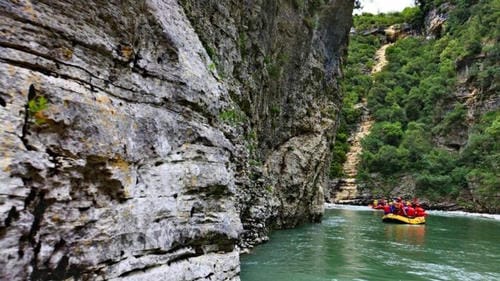
The Balkans, a region characterized by rugged mountains, deep canyons, and fast-flowing rivers, has emerged as a premier destination for white-water rafting in Europe. Offering routes that balance excitement with safety, this area attracts adventurers seeking a controlled yet thrilling outdoor experience. From the emerald gorges of Montenegro to the forested valleys of Bosnia and Herzegovina, paddlers can encounter a spectrum of rapids and pristine natural landscapes.
The River Classifications in the Balkans
River difficulty is measured by the International Scale of River Difficulty, ranging from Class I (easy) to Class VI (extreme). Most Balkan rafting routes fall within Classes II to IV, providing moderate to advanced challenges. Class II rivers have straightforward rapids with wide channels and small waves. Class III rivers introduce more powerful currents, requiring coordinated paddling and tactical maneuvers. Class IV rapids involve strong, irregular waves and obstacles demanding precise technique and experience. Operators in the region prioritize assessing seasonal water levels to determine suitable conditions for each class.
Key White-Water Routes

Tara River, Montenegro
The Tara River Gorge, also known as the “Tear of Europe,” is Europe’s deepest canyon, stretching over 80 kilometers. This route offers Class III-IV rapids interspersed with calm pools, allowing paddlers to navigate turbulent waters without extended risk exposure. Local operators provide safety briefings, wetsuits, helmets, and double-layer inflatable rafts designed for stability. Ecologically, the area is part of the Durmitor National Park, with strict regulations on waste management and riverbank access to preserve its biodiversity.
Neretva River, Bosnia and Herzegovina
Flowing through the heart of Bosnia and Herzegovina, the Neretva River combines scenic beauty with controlled challenges. The Upper Neretva segment contains Class II-III rapids, suitable for first-time rafters under guide supervision. Temperature ranges from 10°C to 18°C in early summer, necessitating insulated gear. Operators often offer multi-day excursions, including riverside camping and cultural immersion in nearby historic towns such as Konjic.
Lim River, Montenegro and Serbia
Originating in Montenegro and crossing into Serbia, the Lim River presents a variety of rapids, from Class II to III+, depending on seasonal rainfall. Its narrow gorges and occasional drops require rapid maneuvering. The river is less commercialized than Tara or Neretva, giving paddlers a more secluded and natural experience. Conservation practices are emphasized, with local NGOs monitoring water quality and biodiversity along the riverbanks.

Preparation and Equipment
Paddlers should prepare physically and mentally for river expeditions. Core strength and upper body endurance aid in navigating rapids. Standard equipment includes a properly sized helmet, personal flotation device (PFD), wet suit or dry suit, paddles, and sturdy water shoes. For multi-day trips, waterproof containers safeguard valuables. Professional rafting operators supply all necessary gear, including:
● Helmets and personal flotation devices
● Neoprene wetsuits or dry suits depending on water temperature
● Paddles and inflatable rafts
● First aid kits and safety ropes
Participants are advised to bring water-resistant clothing, secure footwear, and personal items in dry bags.
Accommodation and Access
Most rafting locations have nearby lodging ranging from budget hostels to mid-range hotels. Multi-day rafting expeditions often combine riverside camping with hotel stays. Transportation to launch points is typically arranged by operators, ensuring convenience and safety.

Skill Preparation
While operators guide beginners, basic physical fitness and swimming proficiency are recommended. Short practice sessions on calm sections help participants build confidence before tackling rapids.
Safety and Considerations
Safety in the Balkans is reinforced through trained guides certified by international rafting associations. Standard protocols include mandatory life jackets, helmets, and the presence of rescue boats. White-water rafting carries inherent risks, but Balkan rafting operators prioritize safety. Professional guides typically have certifications from the International Rafting Federation (IRF) or local equivalents. Standard safety equipment includes helmets, life jackets, and dry suits when water temperatures are low.
Key safety protocols include:
● Pre-rafting briefings: Detailed instructions on paddling techniques and emergency procedures.
● Group-to-guide ratios: Small groups ensure guides can monitor all participants effectively.
● Route selection based on skill level: Novice rafters are kept in calmer sections, while advanced paddlers can attempt more challenging rapids.
● Water level monitoring: Seasonal variations are assessed daily to prevent rafting during unsafe conditions.
Seasonal fluctuations significantly affect river difficulty. Spring and early summer bring higher water levels due to snowmelt, increasing rapid intensity but also enhancing safety through buoyancy. Late summer typically offers calmer waters, making it suitable for beginners but less challenging for experienced rafters. Operators constantly monitor meteorological data to anticipate flooding or hazardous conditions.

Environmental Stewardship
Balkan rafting operators integrate sustainable practices into their tours. Waste management policies prevent littering along riverbanks, and guides educate participants on minimizing ecological impact. Several rivers, including Tara and Neretva, fall under national park protection, requiring strict compliance with environmental regulations. Operators follow strict environmental protocols:
● Avoiding litter and waste discharge
● Minimizing disturbances to wildlife
● Using biodegradable equipment cleaning agents
● Educating participants on ecological impact
Sustainable tourism practices not only protect the rivers but also enhance the rafting experience by preserving the natural scenery.
Local communities benefit from tourism revenue, encouraging a balanced approach that preserves natural habitats while supporting economic growth.
(This article is for informational purposes only. White-water rafting carries inherent risks; readers should consult certified operators and follow all safety guidelines before engaging in activities described here.)
Updated April 24, 2026
FQAs
Q1: Can beginners safely attempt these routes?
Yes. Many operators offer guided trips on Class II-III segments suitable for first-time rafters with proper instruction and equipment.
Q2: What is the best season for white-water rafting in the Balkans?
Late spring to early summer offers higher water levels and more challenging rapids, while late summer provides calmer waters for beginners.
Q3: Are there multi-day rafting options?
Yes. Several rivers, including Neretva and Tara, offer multi-day excursions combining rafting, camping, and cultural experiences.
About Author
Adrian Vale is an outdoor adventure specialist with over a decade of experience in European white-water rafting. He has guided expeditions across the Balkans, Alps, and Pyrenees and contributes to international adventure travel publications. Adrian emphasizes safety, environmental stewardship, and experiential learning in all rafting programs he leads.
References
[1] Durmitor National Park. (2024). Tara River Gorge.
[2] Bosnia and Herzegovina Tourism. (2023). Neretva River Rafting Guide.
[3] Montenegro Adventure Travel. (2024). Lim River White-Water Rafting.
Explore more of our travel guides to discover off-the-beaten-path adventures across Europe and beyond.
=======
April 18, 2026
In this Article:
● The Balkans offer diverse white-water rafting routes suitable for varying skill levels.
● Safety standards are high with certified guides and well-maintained equipment.
● Rivers like the Tara, Neretva, and Lim provide both scenic views and adrenaline-pumping rapids.
● Seasonal variations influence water levels, affecting the difficulty and flow of each route.
● Local rafting operators integrate environmental preservation into their tours.
Estimated Reading Time: 12 minutes┃Post by: Adrian Vale
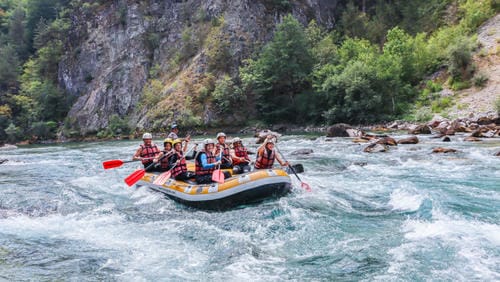
The Balkans, a region characterized by rugged mountains, deep canyons, and fast-flowing rivers, has emerged as a premier destination for white-water rafting in Europe. Offering routes that balance excitement with safety, this area attracts adventurers seeking a controlled yet thrilling outdoor experience. From the emerald gorges of Montenegro to the forested valleys of Bosnia and Herzegovina, paddlers can encounter a spectrum of rapids and pristine natural landscapes.
The River Classifications in the Balkans
River difficulty is measured by the International Scale of River Difficulty, ranging from Class I (easy) to Class VI (extreme). Most Balkan rafting routes fall within Classes II to IV, providing moderate to advanced challenges. Class II rivers have straightforward rapids with wide channels and small waves. Class III rivers introduce more powerful currents, requiring coordinated paddling and tactical maneuvers. Class IV rapids involve strong, irregular waves and obstacles demanding precise technique and experience. Operators in the region prioritize assessing seasonal water levels to determine suitable conditions for each class.
Key White-Water Routes
Tara River, Montenegro
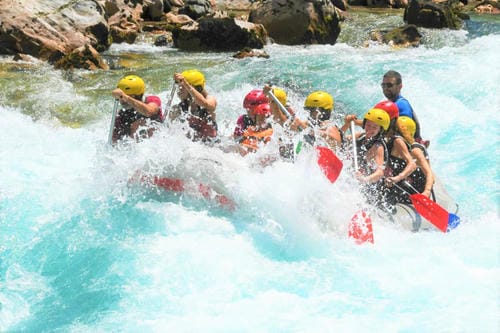
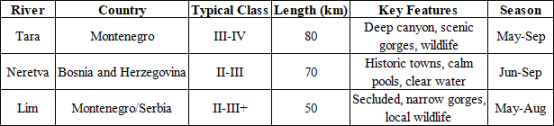
The Tara River Gorge, also known as the “Tear of Europe,” is Europe’s deepest canyon, stretching over 80 kilometers. This route offers Class III-IV rapids interspersed with calm pools, allowing paddlers to navigate turbulent waters without extended risk exposure. Local operators provide safety briefings, wetsuits, helmets, and double-layer inflatable rafts designed for stability. Ecologically, the area is part of the Durmitor National Park, with strict regulations on waste management and riverbank access to preserve its biodiversity.
Neretva River, Bosnia and Herzegovina
Flowing through the heart of Bosnia and Herzegovina, the Neretva River combines scenic beauty with controlled challenges. The Upper Neretva segment contains Class II-III rapids, suitable for first-time rafters under guide supervision. Temperature ranges from 10°C to 18°C in early summer, necessitating insulated gear. Operators often offer multi-day excursions, including riverside camping and cultural immersion in nearby historic towns such as Konjic.
Lim River, Montenegro and Serbia
Originating in Montenegro and crossing into Serbia, the Lim River presents a variety of rapids, from Class II to III+, depending on seasonal rainfall. Its narrow gorges and occasional drops require rapid maneuvering. The river is less commercialized than Tara or Neretva, giving paddlers a more secluded and natural experience. Conservation practices are emphasized, with local NGOs monitoring water quality and biodiversity along the riverbanks.
Preparation and Equipment
Paddlers should prepare physically and mentally for river expeditions. Core strength and upper body endurance aid in navigating rapids. Standard equipment includes a properly sized helmet, personal flotation device (PFD), wet suit or dry suit, paddles, and sturdy water shoes. For multi-day trips, waterproof containers safeguard valuables. Professional rafting operators supply all necessary gear, including:
● Helmets and personal flotation devices
● Neoprene wetsuits or dry suits depending on water temperature
● Paddles and inflatable rafts
● First aid kits and safety ropes
Participants are advised to bring water-resistant clothing, secure footwear, and personal items in dry bags.
Accommodation and Access
Most rafting locations have nearby lodging ranging from budget hostels to mid-range hotels. Multi-day rafting expeditions often combine riverside camping with hotel stays. Transportation to launch points is typically arranged by operators, ensuring convenience and safety.
Skill Preparation
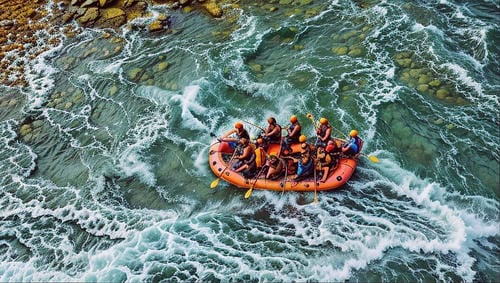
While operators guide beginners, basic physical fitness and swimming proficiency are recommended. Short practice sessions on calm sections help participants build confidence before tackling rapids.
Safety and Considerations
Safety in the Balkans is reinforced through trained guides certified by international rafting associations. Standard protocols include mandatory life jackets, helmets, and the presence of rescue boats. White-water rafting carries inherent risks, but Balkan rafting operators prioritize safety. Professional guides typically have certifications from the International Rafting Federation (IRF) or local equivalents. Standard safety equipment includes helmets, life jackets, and dry suits when water temperatures are low.
Key safety protocols include:
● Pre-rafting briefings: Detailed instructions on paddling techniques and emergency procedures.
● Group-to-guide ratios: Small groups ensure guides can monitor all participants effectively.
● Route selection based on skill level: Novice rafters are kept in calmer sections, while advanced paddlers can attempt more challenging rapids.
● Water level monitoring: Seasonal variations are assessed daily to prevent rafting during unsafe conditions.
Seasonal fluctuations significantly affect river difficulty. Spring and early summer bring higher water levels due to snowmelt, increasing rapid intensity but also enhancing safety through buoyancy. Late summer typically offers calmer waters, making it suitable for beginners but less challenging for experienced rafters. Operators constantly monitor meteorological data to anticipate flooding or hazardous conditions.
Environmental Stewardship
Balkan rafting operators integrate sustainable practices into their tours. Waste management policies prevent littering along riverbanks, and guides educate participants on minimizing ecological impact. Several rivers, including Tara and Neretva, fall under national park protection, requiring strict compliance with environmental regulations. Operators follow strict environmental protocols:
● Avoiding litter and waste discharge
● Minimizing disturbances to wildlife
● Using biodegradable equipment cleaning agents
● Educating participants on ecological impact
Sustainable tourism practices not only protect the rivers but also enhance the rafting experience by preserving the natural scenery.
Local communities benefit from tourism revenue, encouraging a balanced approach that preserves natural habitats while supporting economic growth.
(This article is for informational purposes only. White-water rafting carries inherent risks; readers should consult certified operators and follow all safety guidelines before engaging in activities described here.)
Updated April 24, 2026
FQAs
Q1: Can beginners safely attempt these routes?
Yes. Many operators offer guided trips on Class II-III segments suitable for first-time rafters with proper instruction and equipment.
Q2: What is the best season for white-water rafting in the Balkans?
Late spring to early summer offers higher water levels and more challenging rapids, while late summer provides calmer waters for beginners.
Q3: Are there multi-day rafting options?
Yes. Several rivers, including Neretva and Tara, offer multi-day excursions combining rafting, camping, and cultural experiences.
About Author
Adrian Vale is an outdoor adventure specialist with over a decade of experience in European white-water rafting. He has guided expeditions across the Balkans, Alps, and Pyrenees and contributes to international adventure travel publications. Adrian emphasizes safety, environmental stewardship, and experiential learning in all rafting programs he leads.
References
[1] Durmitor National Park. (2024). Tara River Gorge.
[2] Bosnia and Herzegovina Tourism. (2023). Neretva River Rafting Guide.
[3] Montenegro Adventure Travel. (2024). Lim River White-Water Rafting.
Explore more of our travel guides to discover off-the-beaten-path adventures across Europe and beyond.
>>>>>>> 944e541ebad74151114cbae6b7f1c9ca1f8a9f02