Eco-Resorts You’ve Never Heard Of (But Should Stay At)
<<<<<<< HEADApril 23, 2026
Eco-resorts offer a blend of luxury and sustainability, allowing travelers to experience nature responsibly. These hidden gems support wildlife conservation, local communities, and environmental initiatives. Guests can enjoy immersive experiences—from rainforest treks to coral reef projects—while minimizing their ecological footprint. This approach makes travel both enriching and eco-conscious.

Estimated Reading Time: 12 minutes┃Post by: Isabella Hartley
Sustainable travel has evolved beyond carbon offsets and reusable water bottles. Eco-resorts, often tucked away in remote locations, offer guests a chance to engage deeply with nature while supporting environmental conservation. While well-known eco-lodges attract significant attention, several hidden gems combine responsible tourism with luxury and comfort, providing an immersive experience that few travelers encounter. This article explores a selection of such resorts across multiple continents, examining their environmental initiatives, accommodations, and unique guest experiences.
South America: Hidden Gems Amidst the Amazon
1. Napo Wildlife Center, Ecuador
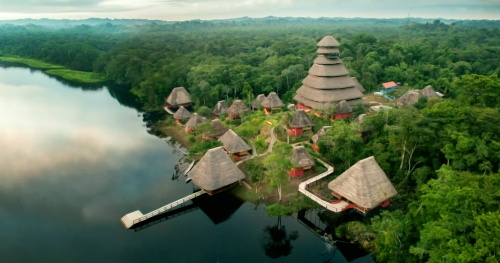
Located along the Napo River in Ecuador’s Amazon rainforest, this resort is a pioneer in eco-tourism. Accommodations are designed with local materials and elevated platforms to minimize environmental impact. Guests can participate in guided wildlife excursions and collaborate with researchers monitoring local biodiversity.

The center supports indigenous communities through employment and cultural programs. Data from the Ecuadorian Ministry of Tourism indicates a 15% increase in eco-tourism participation in the region over the past five years, signaling growing interest in sustainable Amazonian travel.
2. Inkaterra Hacienda Concepcion, Peru
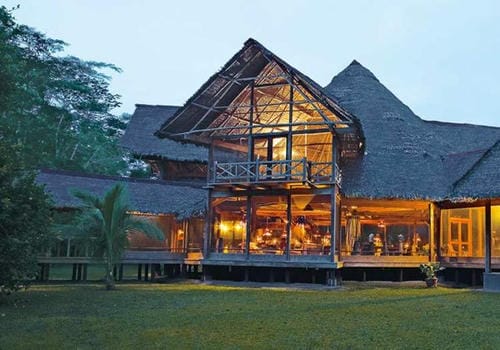
Nestled near Manu National Park, this eco-lodge emphasizes conservation education alongside luxury. Each room features solar-powered lighting, and the property maintains organic gardens to supply its restaurant. Guests can observe macaws, tapirs, and rare orchid species with expert guides. Their wildlife monitoring programs contribute to regional conservation efforts, highlighting the integration of tourism and environmental stewardship.
Africa: Immersive Safari with Minimal Footprint
3. Chumbe Island Coral Park, Tanzania

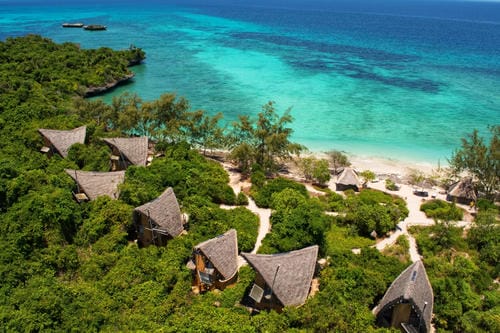
A private island sanctuary off Zanzibar, Chumbe Island Coral Park is managed entirely with eco-friendly technologies. Rainwater collection systems and solar power reduce environmental impact, and all staff live sustainably on-site. The resort’s main attraction is the coral conservation program, offering guests a chance to learn about marine ecology firsthand. According to the Marine Conservation Society, coral reefs in Tanzania face threats from climate change, making guest-supported initiatives critical.
4. Lion Sands River Lodge, South Africa
This lodge blends luxury safari experiences with rigorous environmental practices. All accommodations use solar energy, and vehicle use is minimized to reduce emissions. Guests participate in ranger-led conservation activities, including tracking and protecting wildlife species. Studies by South Africa’s Department of Environmental Affairs suggest that eco-friendly lodges like Lion Sands significantly contribute to local wildlife preservation by funding anti-poaching efforts.

Asia-Pacific: Remote Retreats with Sustainable Practices
5. Soneva Kiri, Thailand
On Koh Kood island, Soneva Kiri integrates sustainability into every aspect of its operations. The resort uses a zero-waste policy, organic gardens, and renewable energy systems. Villas feature open-air designs that reduce energy use while providing luxury. Guests are encouraged to engage in marine conservation, coral reforestation, and local community projects. According to the Thailand Tourism Authority (TAT, 2023), sustainable tourism initiatives, including eco-resorts, are increasingly supporting local conservation efforts and community development across key regions in Thailand.
6. Longitude 131°, Australia
Overlooking Uluru, Longitude 131° combines immersive desert experiences with eco-conscious practices. Solar-powered accommodations and water recycling programs ensure minimal environmental disruption. Guided walks and stargazing tours provide educational engagement with the unique ecosystem. Tourism data from Northern Territory authorities show that sustainable tourism in the area helps fund Aboriginal cultural preservation, illustrating the synergy between tourism and heritage conservation.

Europe: Sustainable Luxury in Unexpected Locations
7. Krønasår Eco-Lodge, Norway
This Scandinavian retreat near the Lofoten Islands focuses on renewable energy and carbon-neutral operations. Accommodations incorporate passive heating systems and locally sourced timber. Guests can explore fjords and northern wildlife while participating in conservation workshops. Norway’s Ministry of Climate and Environment recognizes lodges like Krønasår as models for sustainable tourism that harmonizes with fragile ecosystems.
8. Fogo Island Inn, Canada
Situated on Newfoundland’s Fogo Island, this lodge supports the local economy through design collaborations with residents and sustainable construction methods. Its off-grid operations include hydroelectric power and extensive recycling programs. Guests can experience both natural and cultural immersion, contributing to the preservation of the island’s heritage. Statistics from the Canadian Tourism Commission indicate that eco-lodges significantly increase local employment opportunities while promoting environmental stewardship.
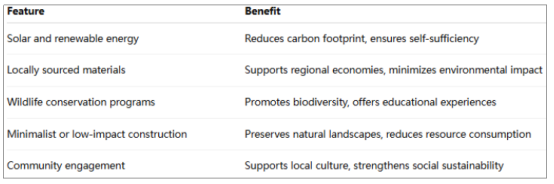
Key Features of Lesser-Known Eco-Resorts

Booking Tips for Eco-Conscious Travelers
Research the resort’s sustainability certifications. Organizations like Green Globe and EarthCheck provide independent verification.
Check for transparency in waste management, energy use, and local sourcing.
Prioritize destinations that reinvest tourism revenue into conservation or community projects.
Consider travel timing to minimize environmental stress on sensitive ecosystems.
(The information presented reflects the resorts’ published data and recognized conservation reports. Availability, amenities, and operational practices may vary. Travelers are encouraged to verify details directly with the resort before booking.)
FAQs
1. Are eco-resorts more expensive than conventional resorts?
Often, but many provide value through unique experiences and conservation contributions. Prices vary depending on location and luxury level.
2. How can guests actively participate in conservation while staying at an eco-resort?
Resorts offer activities such as wildlife monitoring, beach clean-ups, coral replanting, and cultural engagement programs.
3. Are eco-resorts only located in remote or exotic locations?
Not necessarily. While many are in secluded areas, urban eco-lodges and regional sustainable retreats are increasingly common.
About Author
Isabella Hartley is a sustainable travel expert with over a decade of experience exploring eco-conscious destinations worldwide. She has written extensively on responsible tourism, conservation-focused travel, and immersive cultural experiences. Her insights help travelers choose accommodations that balance luxury with environmental responsibility.
References
[1] Green Globe. (2024). Certified sustainable tourism businesses.
[2] Marine Conservation Society. (2023). Tanzania coral reefs conservation.
[3] Norway Ministry of Climate and Environment. (2024). Sustainable tourism initiatives.
[4] Canadian Tourism Commission. (2023). Economic benefits of eco-lodges.
Explore more eco-friendly travel insights and uncover hidden gems around the world on this blog.
=======April 23, 2026
Eco-resorts offer a blend of luxury and sustainability, allowing travelers to experience nature responsibly. These hidden gems support wildlife conservation, local communities, and environmental initiatives. Guests can enjoy immersive experiences—from rainforest treks to coral reef projects—while minimizing their ecological footprint. This approach makes travel both enriching and eco-conscious.
Estimated Reading Time: 12 minutes┃Post by: Isabella Hartley
Sustainable travel has evolved beyond carbon offsets and reusable water bottles. Eco-resorts, often tucked away in remote locations, offer guests a chance to engage deeply with nature while supporting environmental conservation. While well-known eco-lodges attract significant attention, several hidden gems combine responsible tourism with luxury and comfort, providing an immersive experience that few travelers encounter. This article explores a selection of such resorts across multiple continents, examining their environmental initiatives, accommodations, and unique guest experiences.
South America: Hidden Gems Amidst the Amazon
1. Napo Wildlife Center, Ecuador
Located along the Napo River in Ecuador’s Amazon rainforest, this resort is a pioneer in eco-tourism. Accommodations are designed with local materials and elevated platforms to minimize environmental impact. Guests can participate in guided wildlife excursions and collaborate with researchers monitoring local biodiversity.
The center supports indigenous communities through employment and cultural programs. Data from the Ecuadorian Ministry of Tourism indicates a 15% increase in eco-tourism participation in the region over the past five years, signaling growing interest in sustainable Amazonian travel.
2. Inkaterra Hacienda Concepcion, Peru
Nestled near Manu National Park, this eco-lodge emphasizes conservation education alongside luxury. Each room features solar-powered lighting, and the property maintains organic gardens to supply its restaurant. Guests can observe macaws, tapirs, and rare orchid species with expert guides. Their wildlife monitoring programs contribute to regional conservation efforts, highlighting the integration of tourism and environmental stewardship.
Africa: Immersive Safari with Minimal Footprint
3. Chumbe Island Coral Park, Tanzania

A private island sanctuary off Zanzibar, Chumbe Island Coral Park is managed entirely with eco-friendly technologies. Rainwater collection systems and solar power reduce environmental impact, and all staff live sustainably on-site. The resort’s main attraction is the coral conservation program, offering guests a chance to learn about marine ecology firsthand. According to the Marine Conservation Society, coral reefs in Tanzania face threats from climate change, making guest-supported initiatives critical.
4. Lion Sands River Lodge, South Africa
This lodge blends luxury safari experiences with rigorous environmental practices. All accommodations use solar energy, and vehicle use is minimized to reduce emissions. Guests participate in ranger-led conservation activities, including tracking and protecting wildlife species. Studies by South Africa’s Department of Environmental Affairs suggest that eco-friendly lodges like Lion Sands significantly contribute to local wildlife preservation by funding anti-poaching efforts.

Asia-Pacific: Remote Retreats with Sustainable Practices
5. Soneva Kiri, Thailand
On Koh Kood island, Soneva Kiri integrates sustainability into every aspect of its operations. The resort uses a zero-waste policy, organic gardens, and renewable energy systems. Villas feature open-air designs that reduce energy use while providing luxury. Guests are encouraged to engage in marine conservation, coral reforestation, and local community projects. According to the Thailand Tourism Authority (TAT, 2023), sustainable tourism initiatives, including eco-resorts, are increasingly supporting local conservation efforts and community development across key regions in Thailand.
6. Longitude 131°, Australia
Overlooking Uluru, Longitude 131° combines immersive desert experiences with eco-conscious practices. Solar-powered accommodations and water recycling programs ensure minimal environmental disruption. Guided walks and stargazing tours provide educational engagement with the unique ecosystem. Tourism data from Northern Territory authorities show that sustainable tourism in the area helps fund Aboriginal cultural preservation, illustrating the synergy between tourism and heritage conservation.
Europe: Sustainable Luxury in Unexpected Locations
7. Krønasår Eco-Lodge, Norway
This Scandinavian retreat near the Lofoten Islands focuses on renewable energy and carbon-neutral operations. Accommodations incorporate passive heating systems and locally sourced timber. Guests can explore fjords and northern wildlife while participating in conservation workshops. Norway’s Ministry of Climate and Environment recognizes lodges like Krønasår as models for sustainable tourism that harmonizes with fragile ecosystems.
8. Fogo Island Inn, Canada
Situated on Newfoundland’s Fogo Island, this lodge supports the local economy through design collaborations with residents and sustainable construction methods. Its off-grid operations include hydroelectric power and extensive recycling programs. Guests can experience both natural and cultural immersion, contributing to the preservation of the island’s heritage. Statistics from the Canadian Tourism Commission indicate that eco-lodges significantly increase local employment opportunities while promoting environmental stewardship.
Key Features of Lesser-Known Eco-Resorts
Booking Tips for Eco-Conscious Travelers
Research the resort’s sustainability certifications. Organizations like Green Globe and EarthCheck provide independent verification.
Check for transparency in waste management, energy use, and local sourcing.
Prioritize destinations that reinvest tourism revenue into conservation or community projects.
Consider travel timing to minimize environmental stress on sensitive ecosystems.
(The information presented reflects the resorts’ published data and recognized conservation reports. Availability, amenities, and operational practices may vary. Travelers are encouraged to verify details directly with the resort before booking.)
FAQs
1. Are eco-resorts more expensive than conventional resorts?
Often, but many provide value through unique experiences and conservation contributions. Prices vary depending on location and luxury level.
2. How can guests actively participate in conservation while staying at an eco-resort?
Resorts offer activities such as wildlife monitoring, beach clean-ups, coral replanting, and cultural engagement programs.
3. Are eco-resorts only located in remote or exotic locations?
Not necessarily. While many are in secluded areas, urban eco-lodges and regional sustainable retreats are increasingly common.
About Author
Isabella Hartley is a sustainable travel expert with over a decade of experience exploring eco-conscious destinations worldwide. She has written extensively on responsible tourism, conservation-focused travel, and immersive cultural experiences. Her insights help travelers choose accommodations that balance luxury with environmental responsibility.
References
[1] Green Globe. (2024). Certified sustainable tourism businesses.
[2] Marine Conservation Society. (2023). Tanzania coral reefs conservation.
[3] Norway Ministry of Climate and Environment. (2024). Sustainable tourism initiatives.
[4] Canadian Tourism Commission. (2023). Economic benefits of eco-lodges.
Explore more eco-friendly travel insights and uncover hidden gems around the world on this blog.
>>>>>>> 944e541ebad74151114cbae6b7f1c9ca1f8a9f02